

Home Remedies Editorial Team
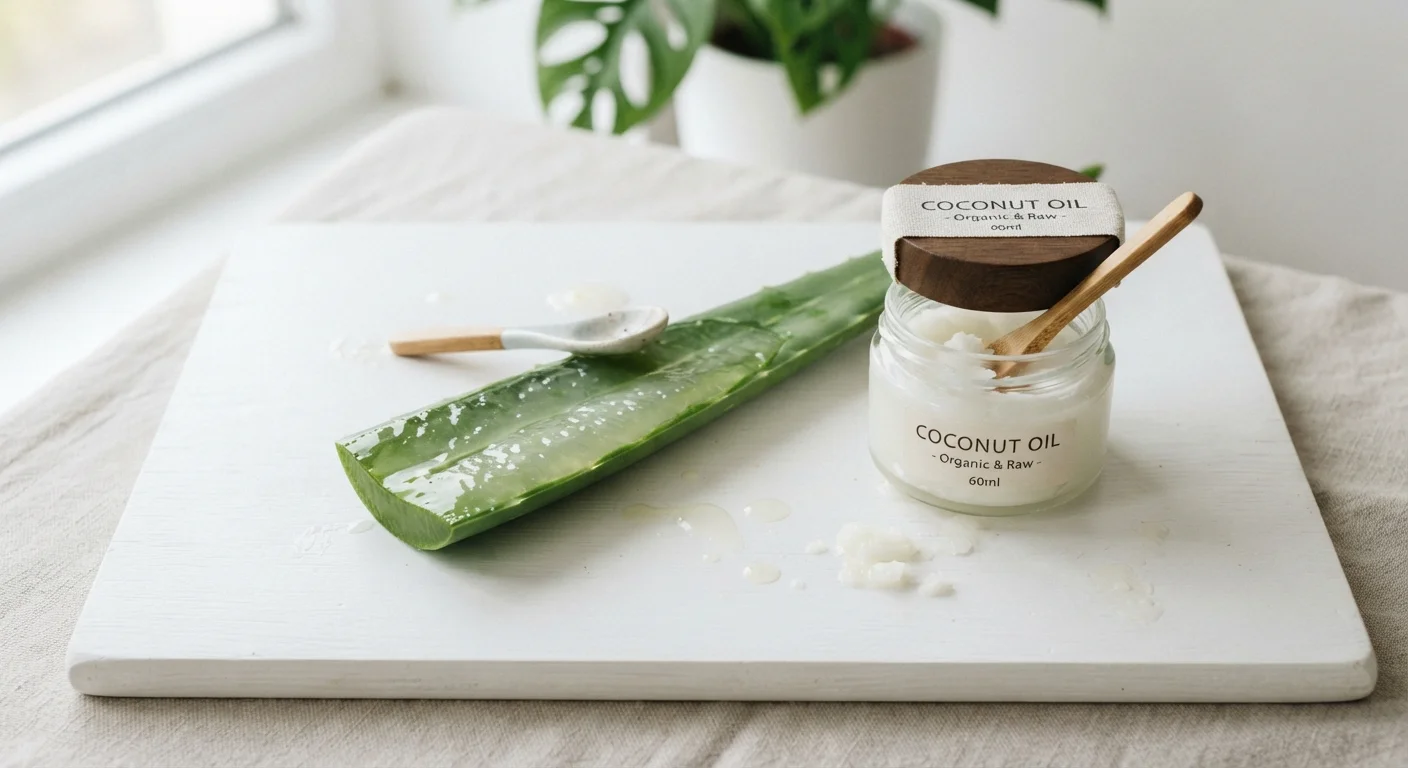
Aloe Vera vs. Coconut Oil for Minor Skin Irritation: What Each One Actually Does
Both aloe vera gel and coconut oil appear in skin-soothing home remedies. Here's a clear c…
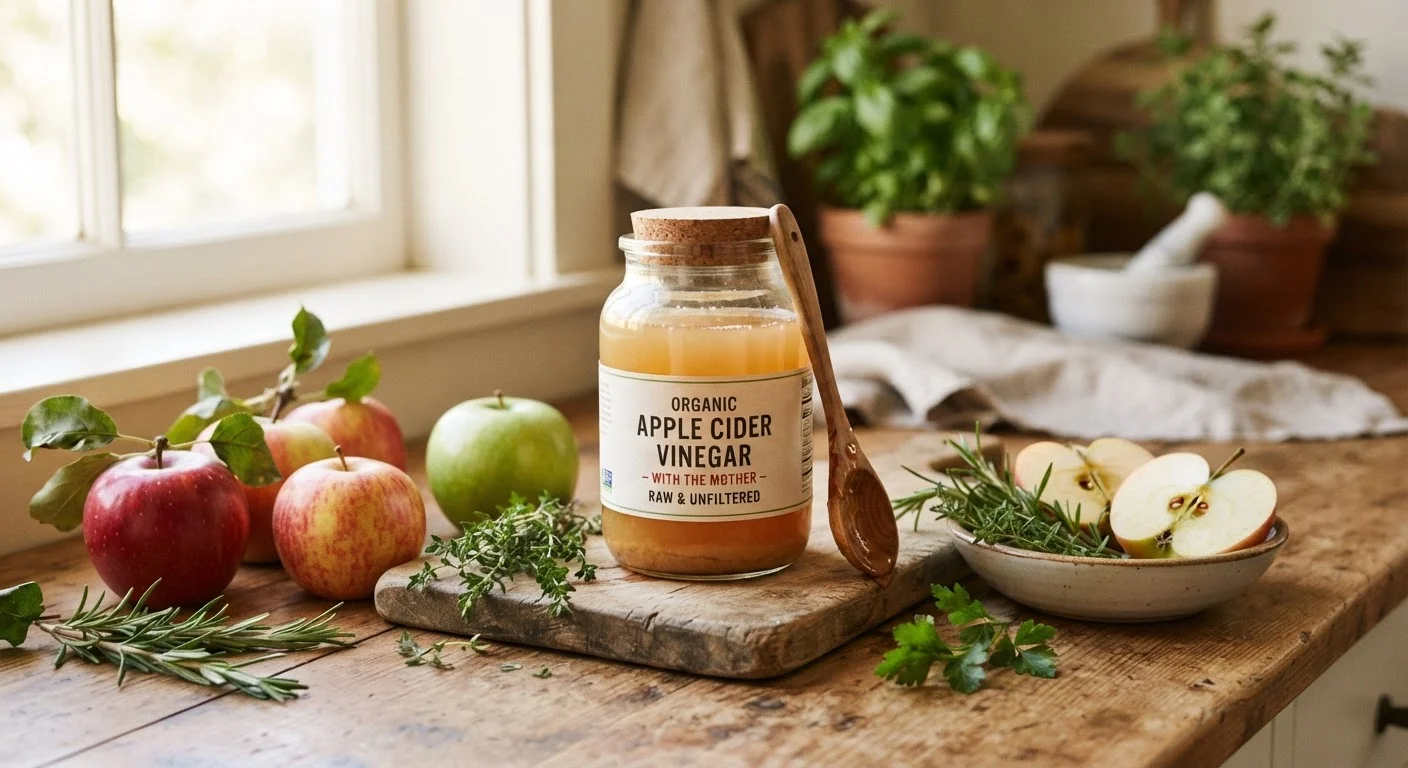
Apple Cider Vinegar: What It Can and Cannot Do for Your Health
Apple cider vinegar is one of the most popular kitchen remedies online. This evidence-info…
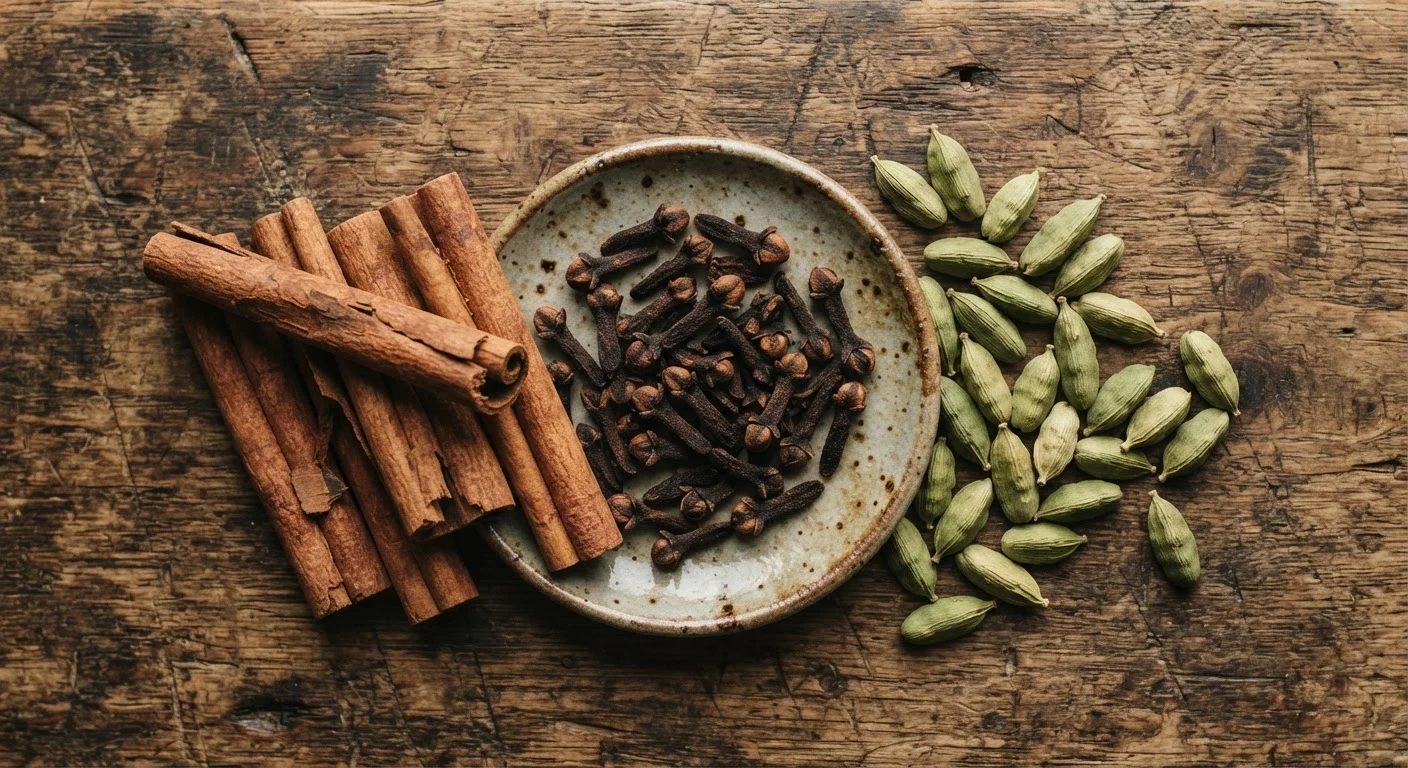
Cloves, Cinnamon, and Cardamom: The Medicinal History of Everyday Spices
Long before pharmacies existed, spice traders carried medicine in their sacks. Explore the…
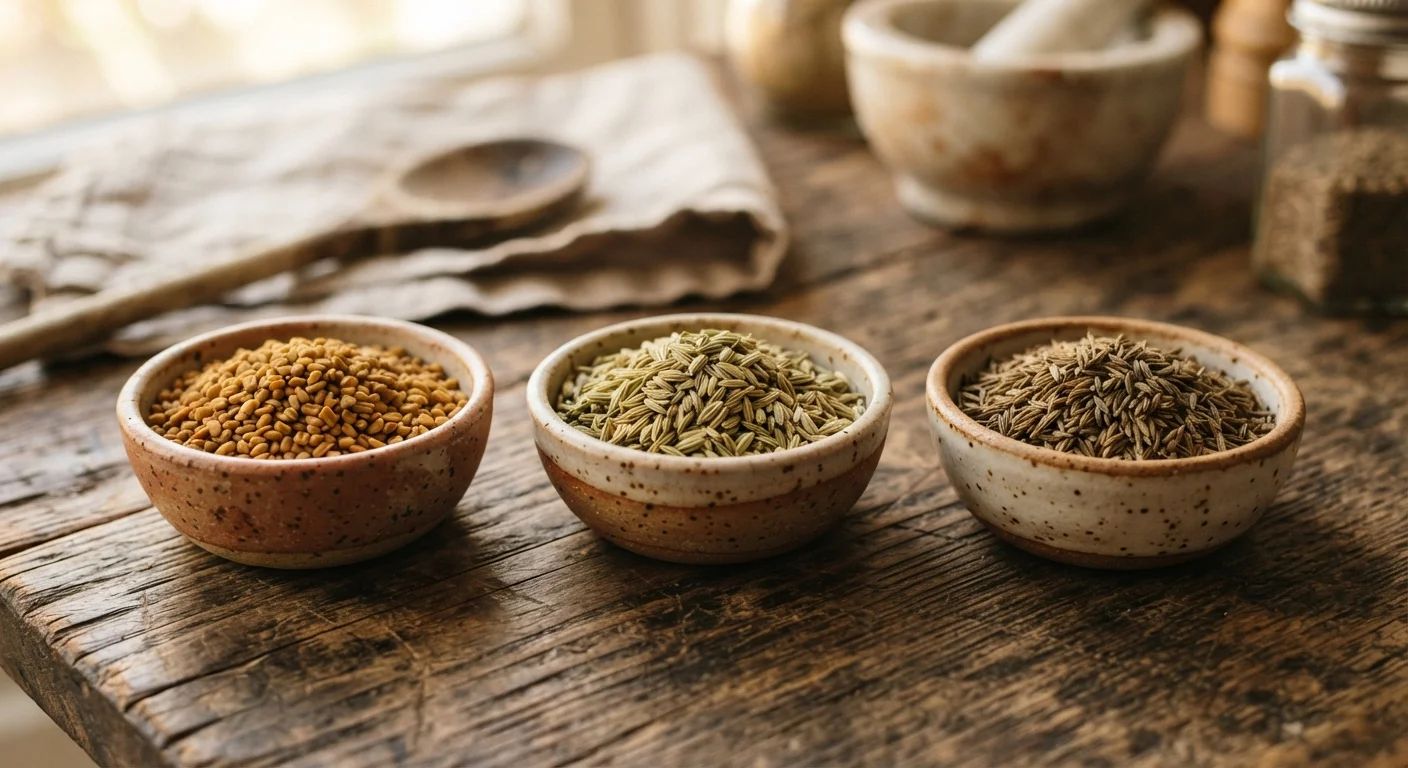
Fenugreek, Fennel, and Cumin: Digestive Remedies Across Cultures
Three seeds found in kitchens worldwide have long reputations for easing digestive discomf…
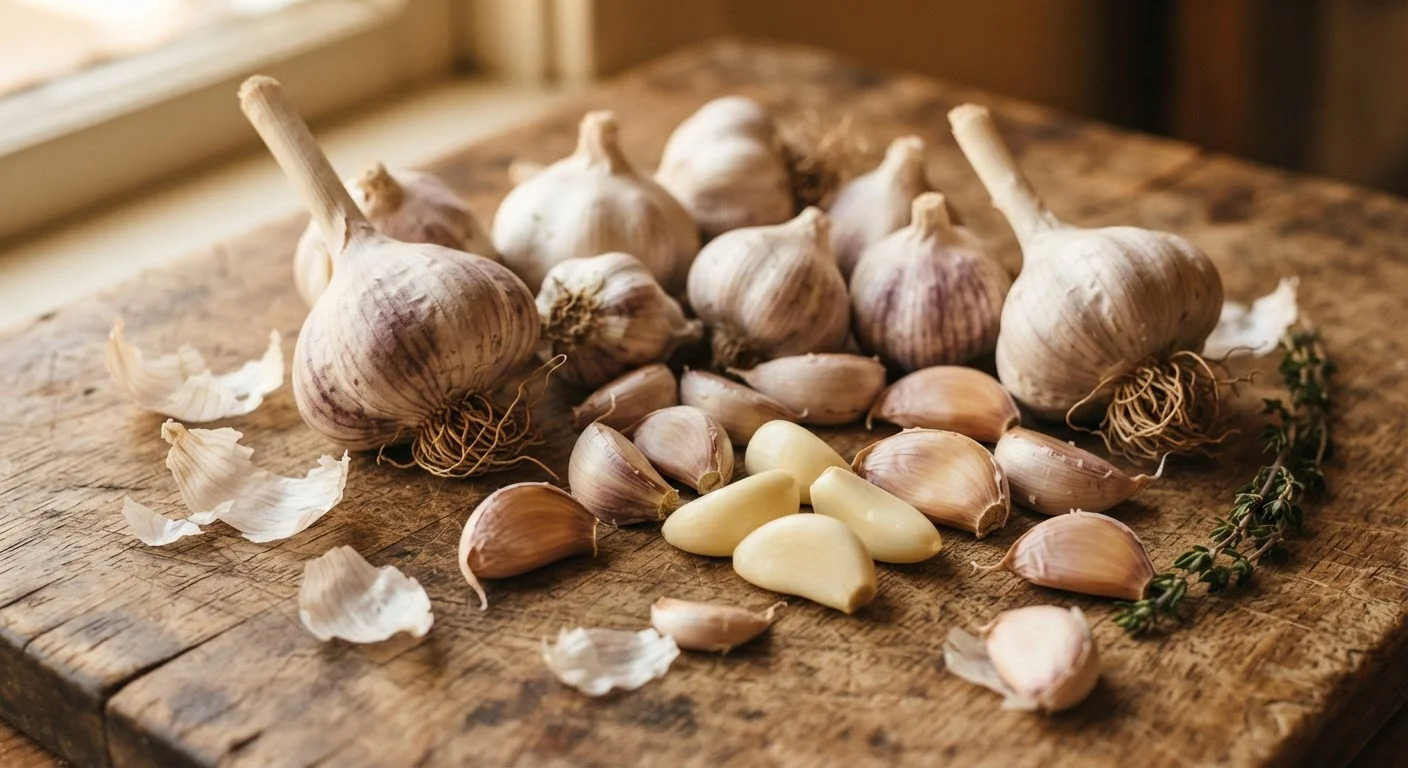
Garlic Through the Ages: Separating Folklore from Pharmacology
From plague protection to cholesterol claims, garlic carries centuries of health lore. Her…
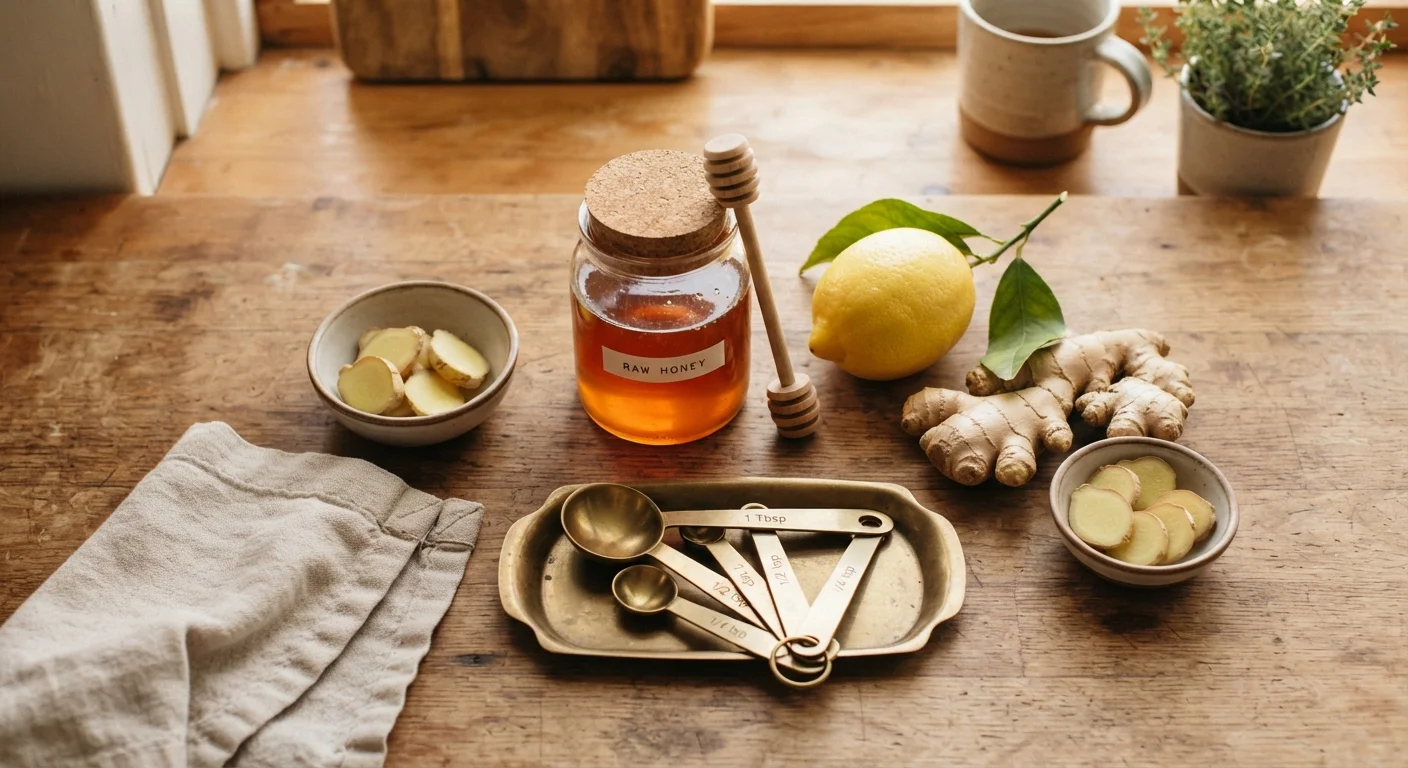
Getting Kitchen Remedies Wrong: Preparation and Dosage Errors to Understand
Concentration, preparation method, and frequency all affect whether a kitchen remedy helps…
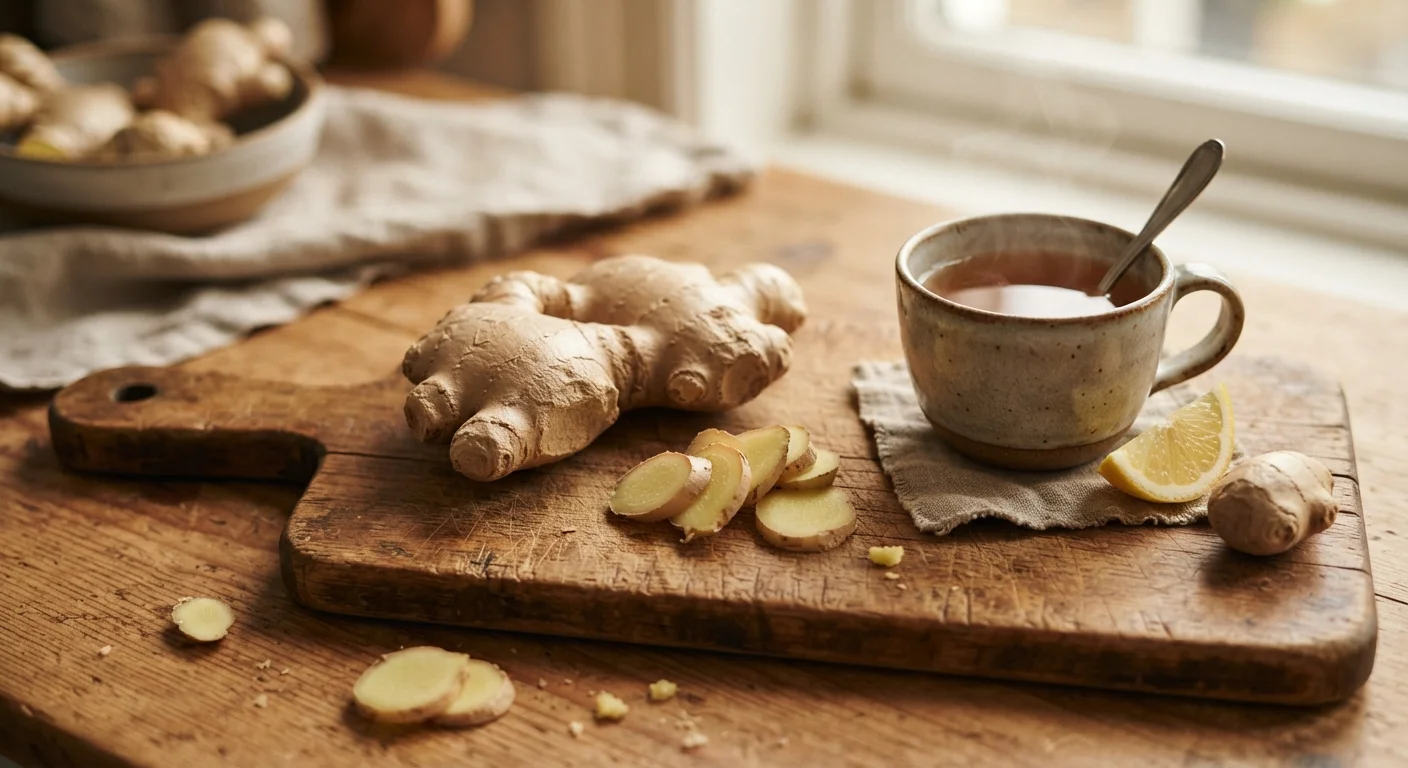
Ginger in the Kitchen and the Medicine Cabinet: A Dual-Purpose Root Explained
Ginger is more than a cooking spice. Explore its traditional uses for nausea, digestion, a…
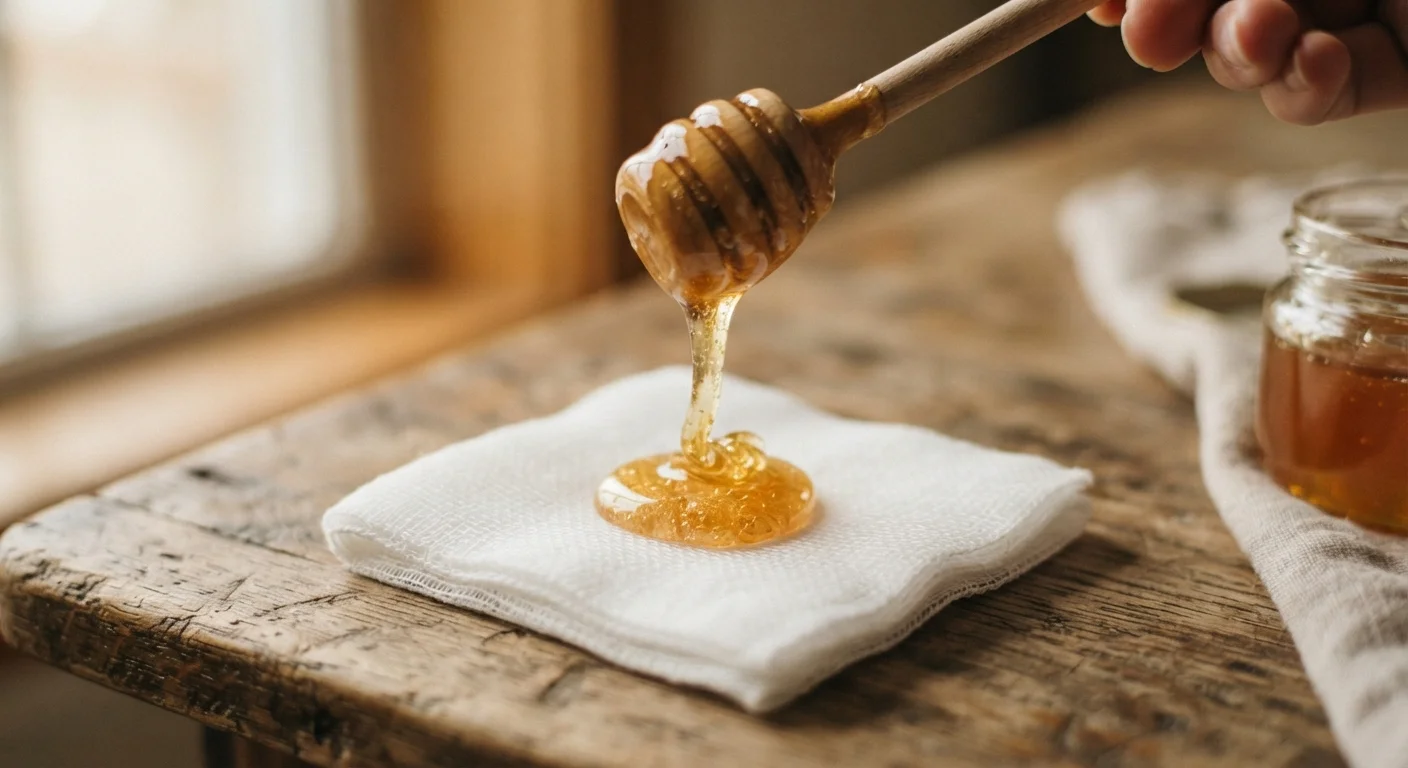
Honey as a Wound Dressing: The Science Behind an Ancient Practice
Raw honey has been applied to wounds for thousands of years. Learn why it works, what type…
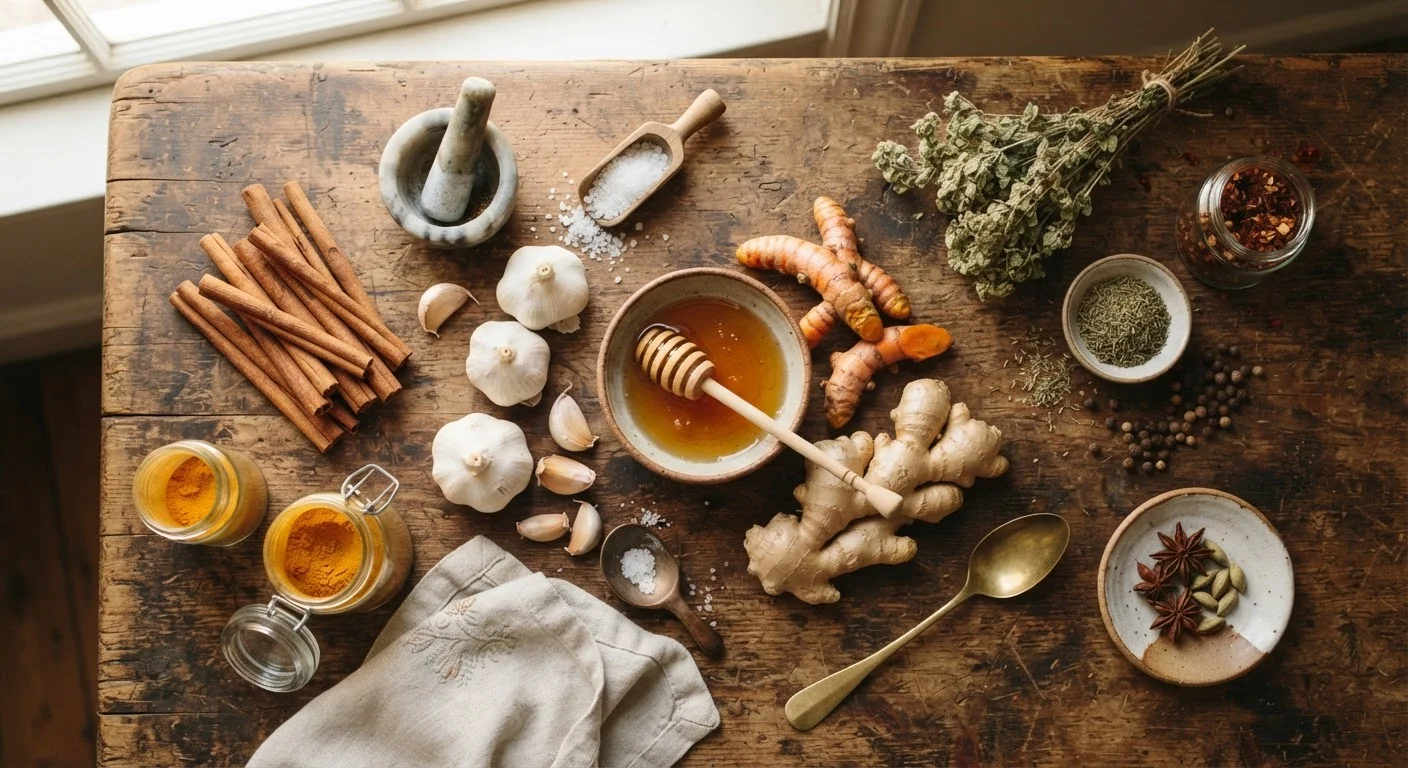
Kitchen Remedies Across Cultures: A Comparative Overview
From Ayurveda to Traditional Chinese Medicine to African herbalism, pantry ingredients hav…
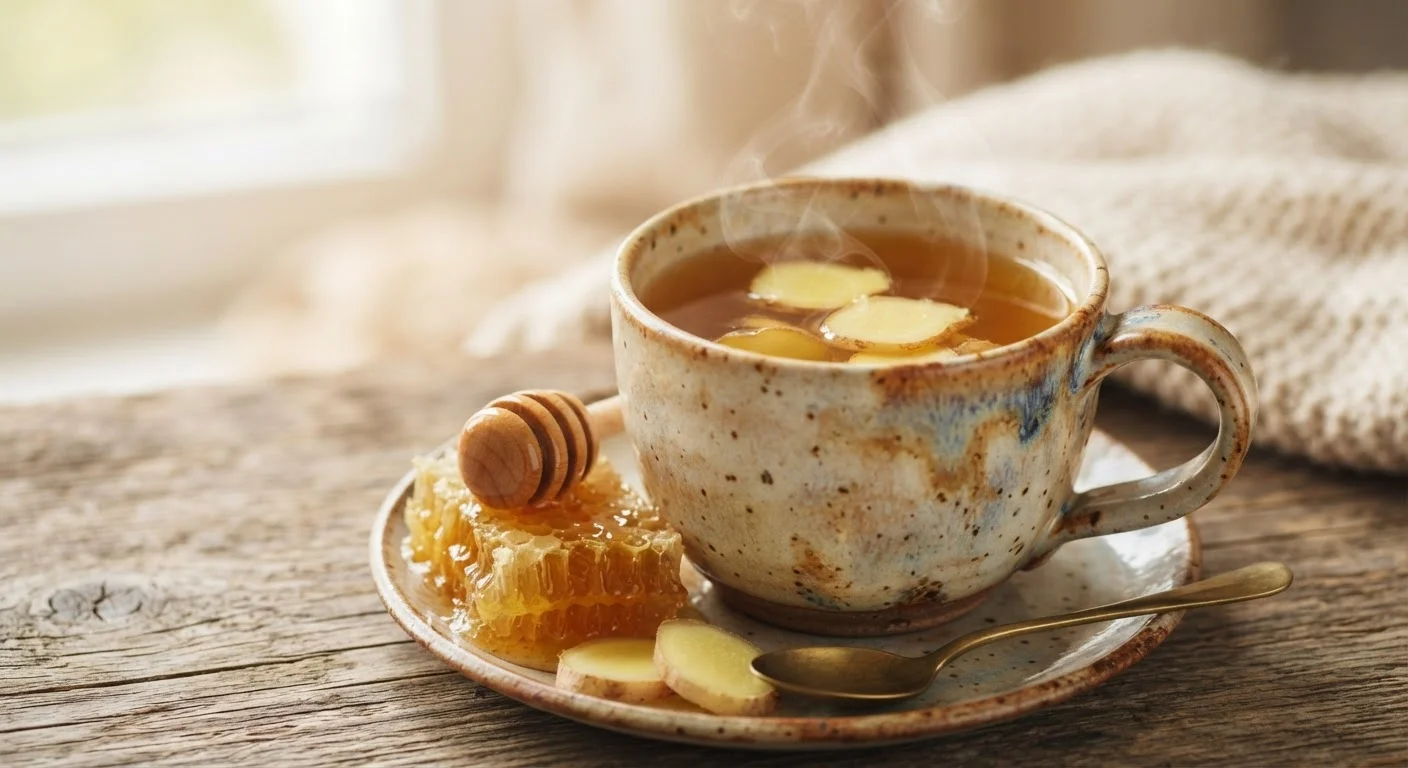
Making a Ginger-Honey Infusion for Sore Throat Relief
A warm ginger-honey drink is one of the most widely used throat remedies. Learn how to pre…
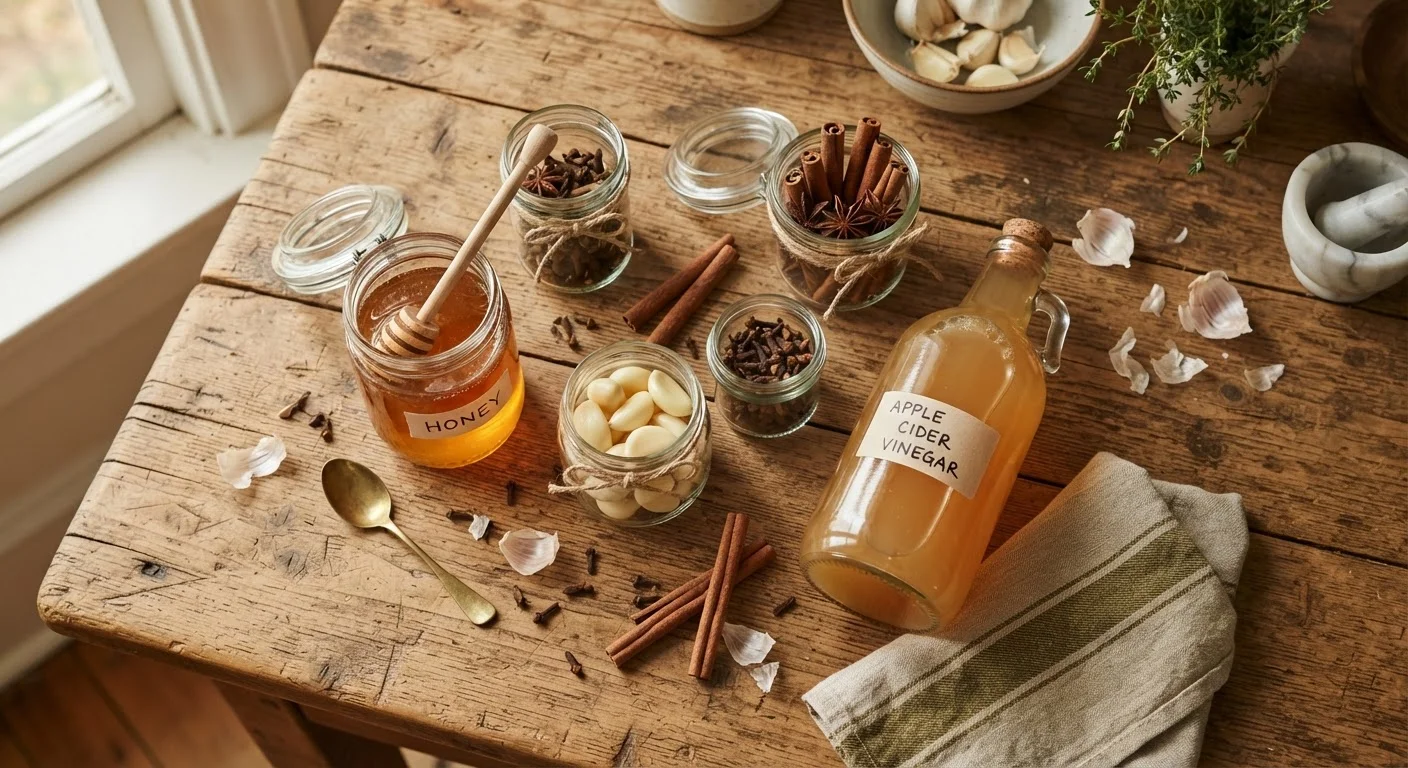
Pantry Staples That Have Documented Antimicrobial Properties
Certain kitchen ingredients show antimicrobial activity in laboratory settings. Understand…
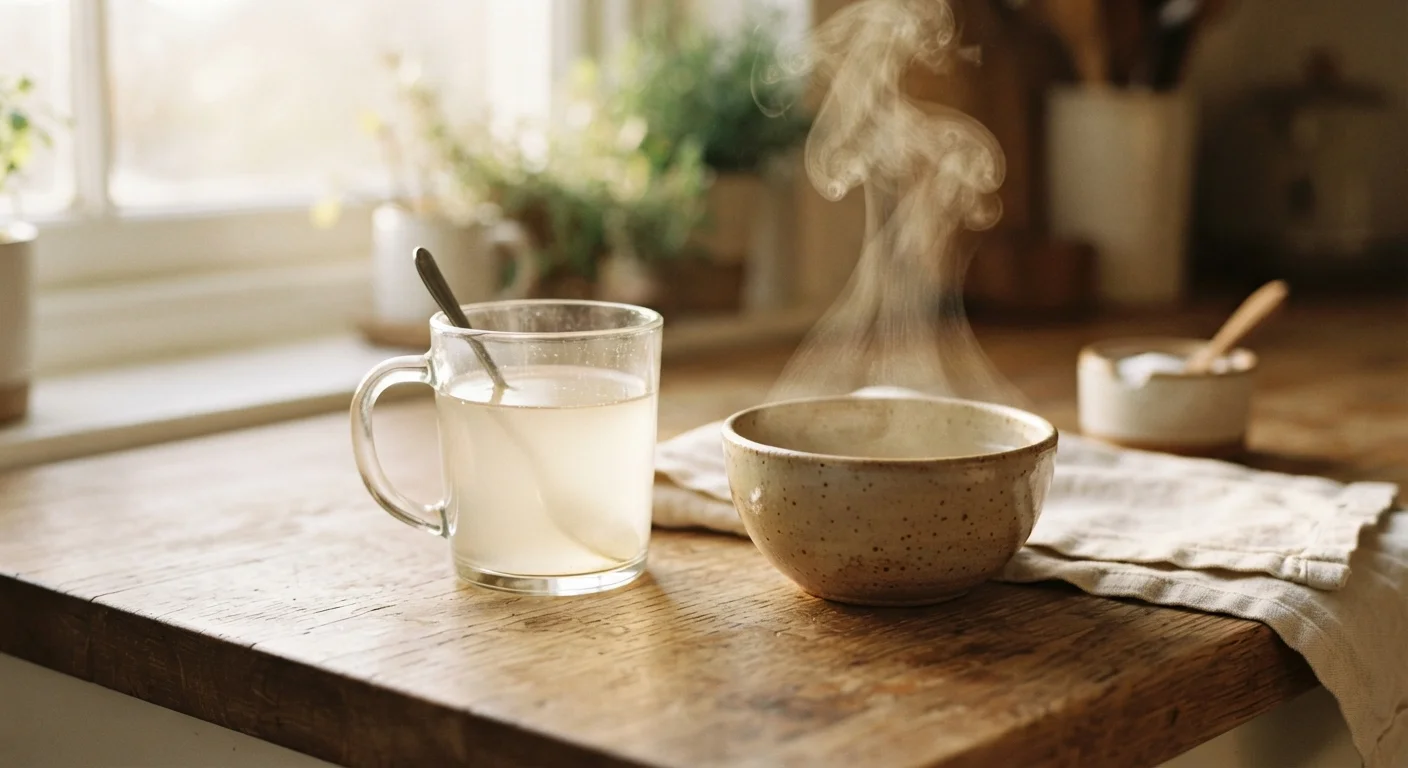
Salt Water Gargles, Steam Inhalation, and Other Respiratory Folk Remedies
Many households turn to salt water gargles or steam for sore throats and congestion. Learn…
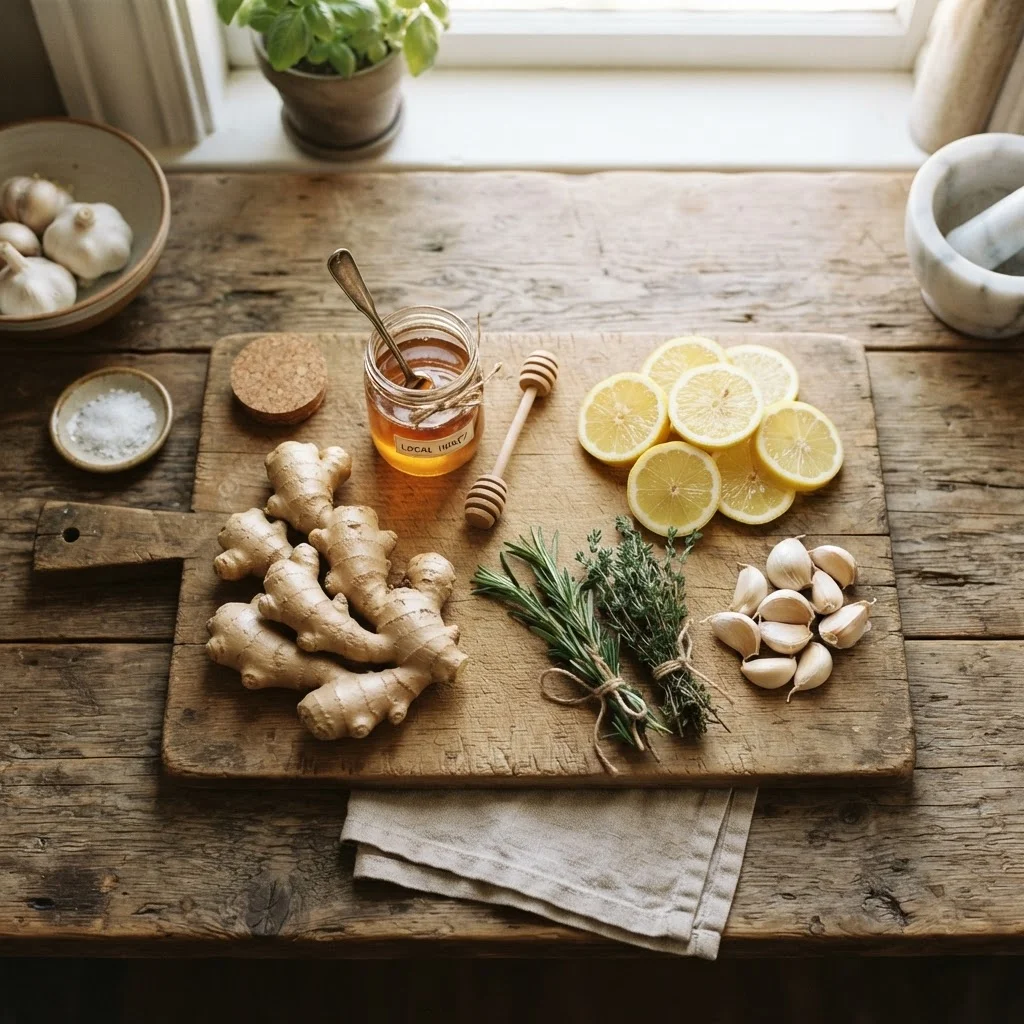
Starting Out with Home Remedies: What New Users Should Know Before the First Try
Thinking about trying kitchen remedies? This grounded introduction explains how traditiona…
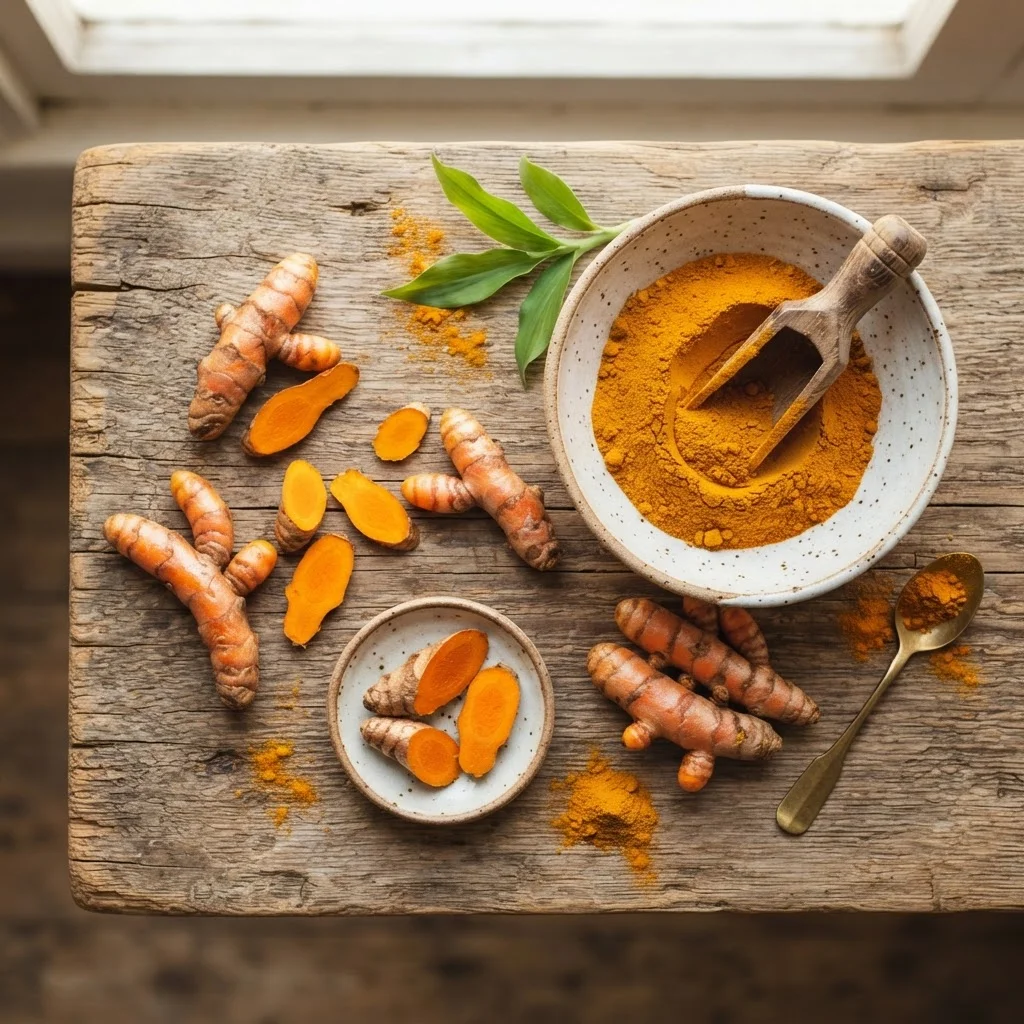
Turmeric's Role in Traditional Medicine: What the Evidence Actually Shows
Turmeric has been used for centuries in Ayurvedic and Chinese medicine. Here's what resear…
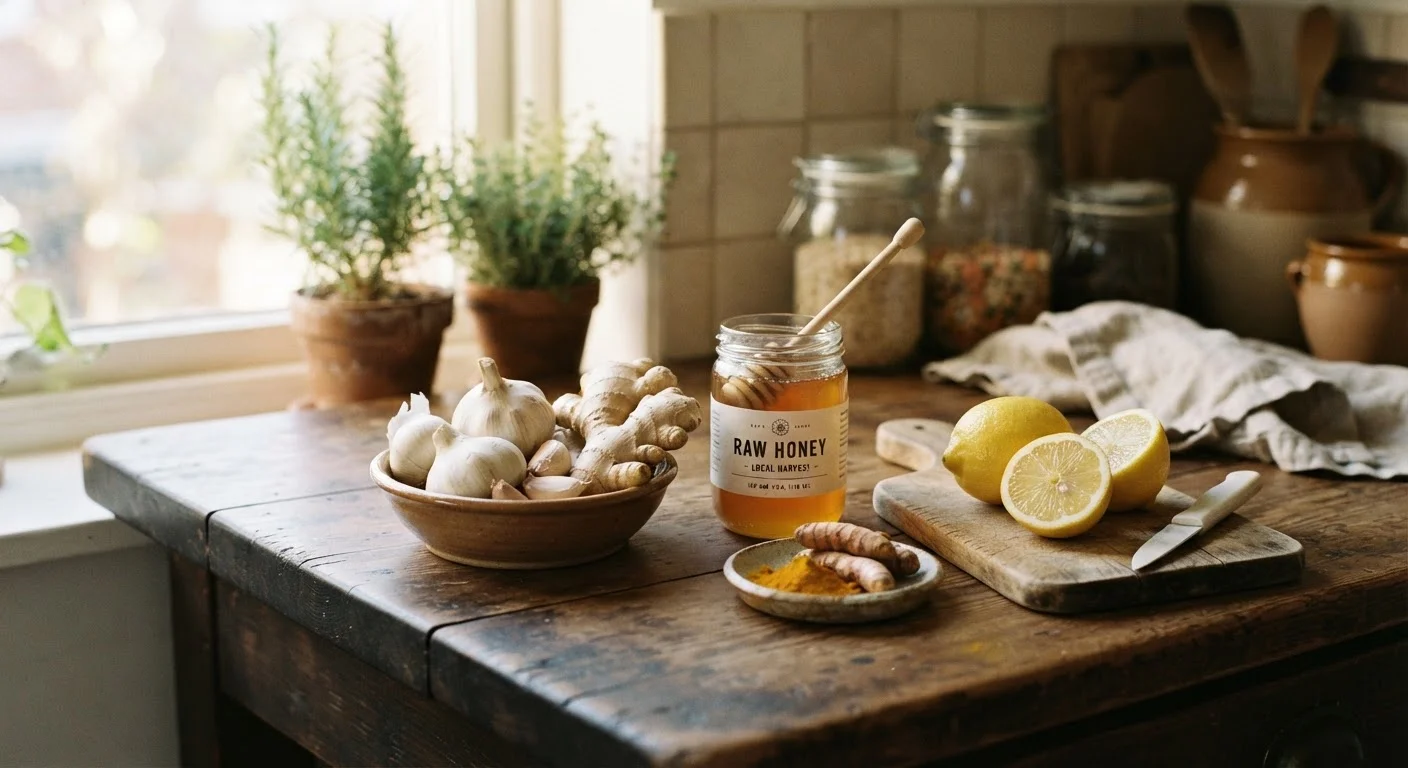
Using Kitchen Remedies Safely: Risks, Interactions, and When to Stop
Even natural ingredients can interact with medications or irritate sensitive tissue. This …
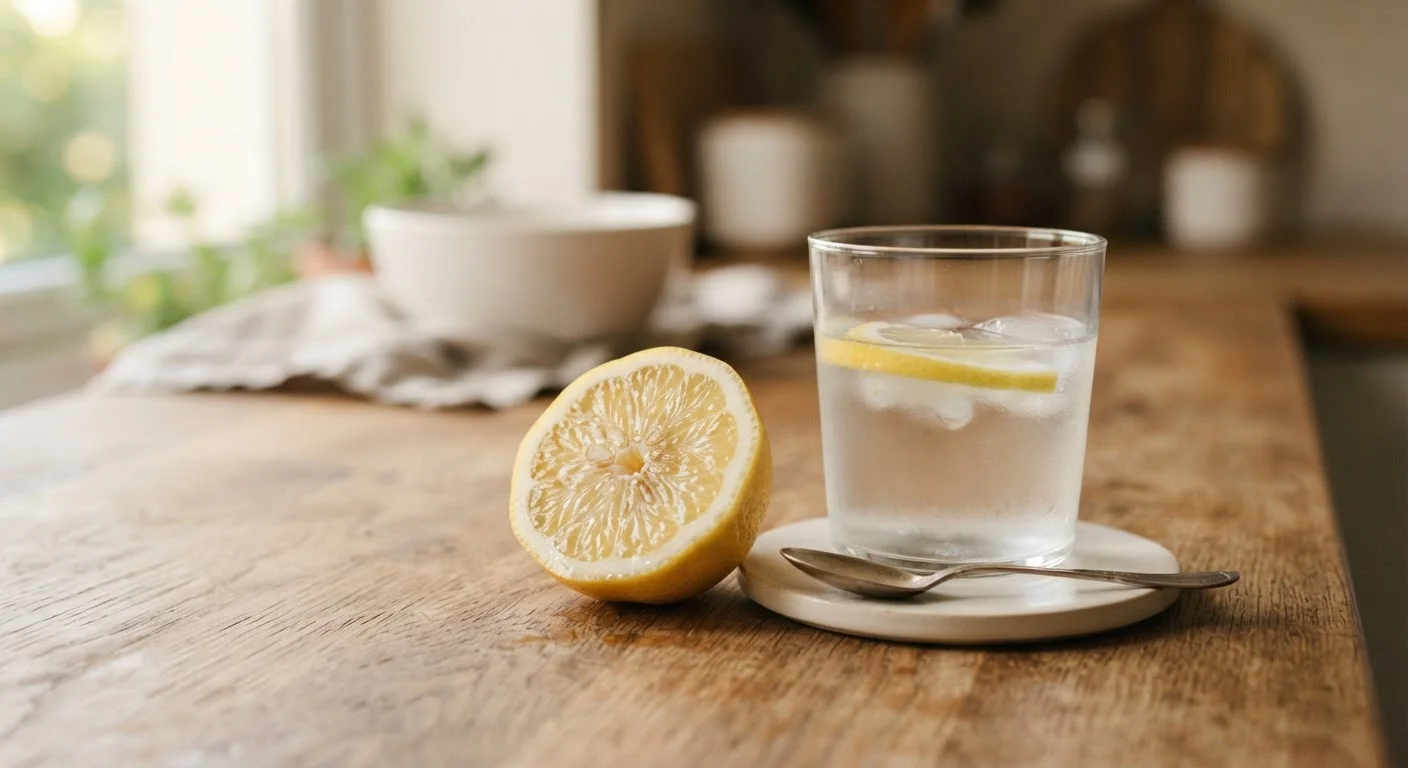
Why Lemon Juice Doesn't Detox Your Liver (And What Your Liver Actually Does)
The "lemon detox" idea is widespread online but misunderstands how the liver works. Here's…

At-Home Strategies for Managing Mild Tension Headaches Without Medication
Hydration, rest, cold packs, and more — explore evidence-informed, non-prescription approa…
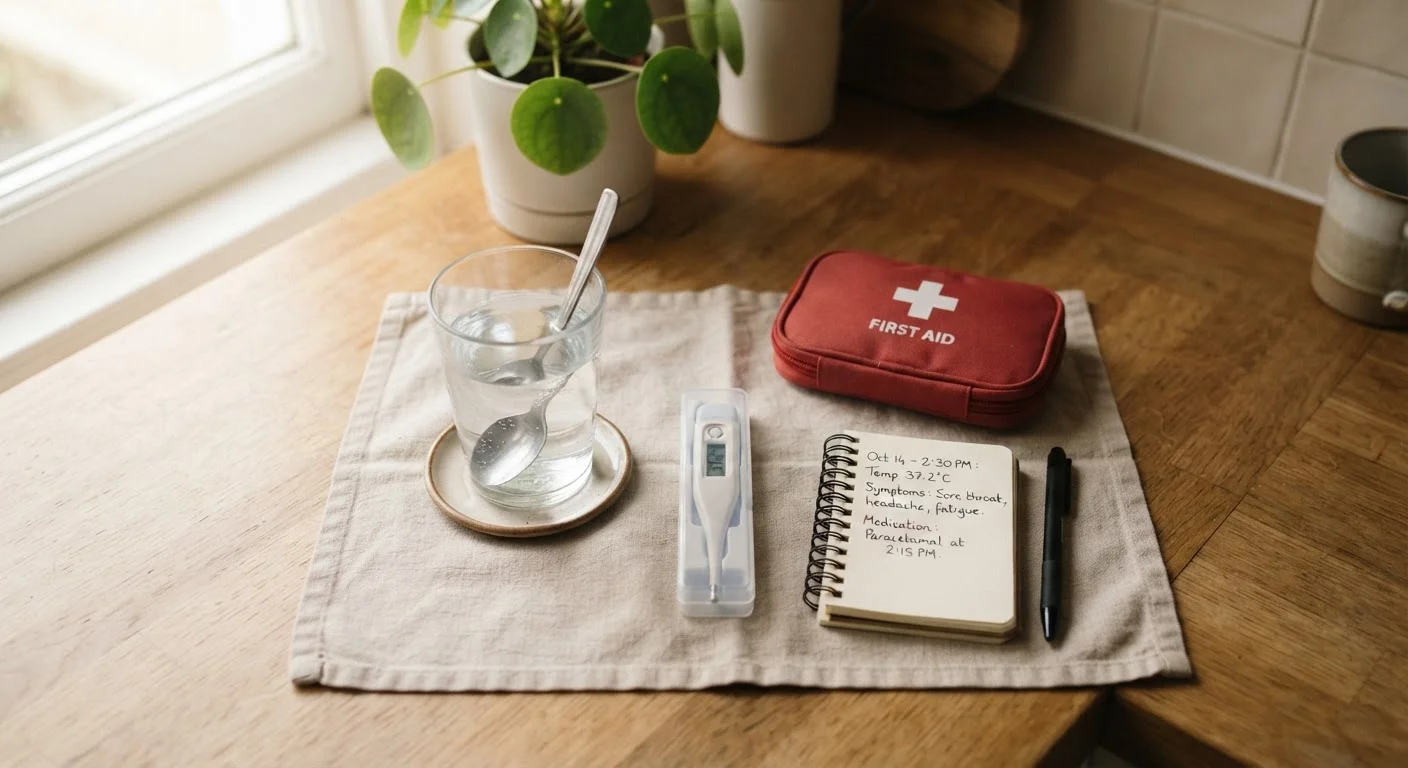
Before You Reach for the Medicine Cabinet: A Pre-Treatment Symptom Checklist
Use this practical checklist to assess whether a mild symptom is suitable for at-home mana…
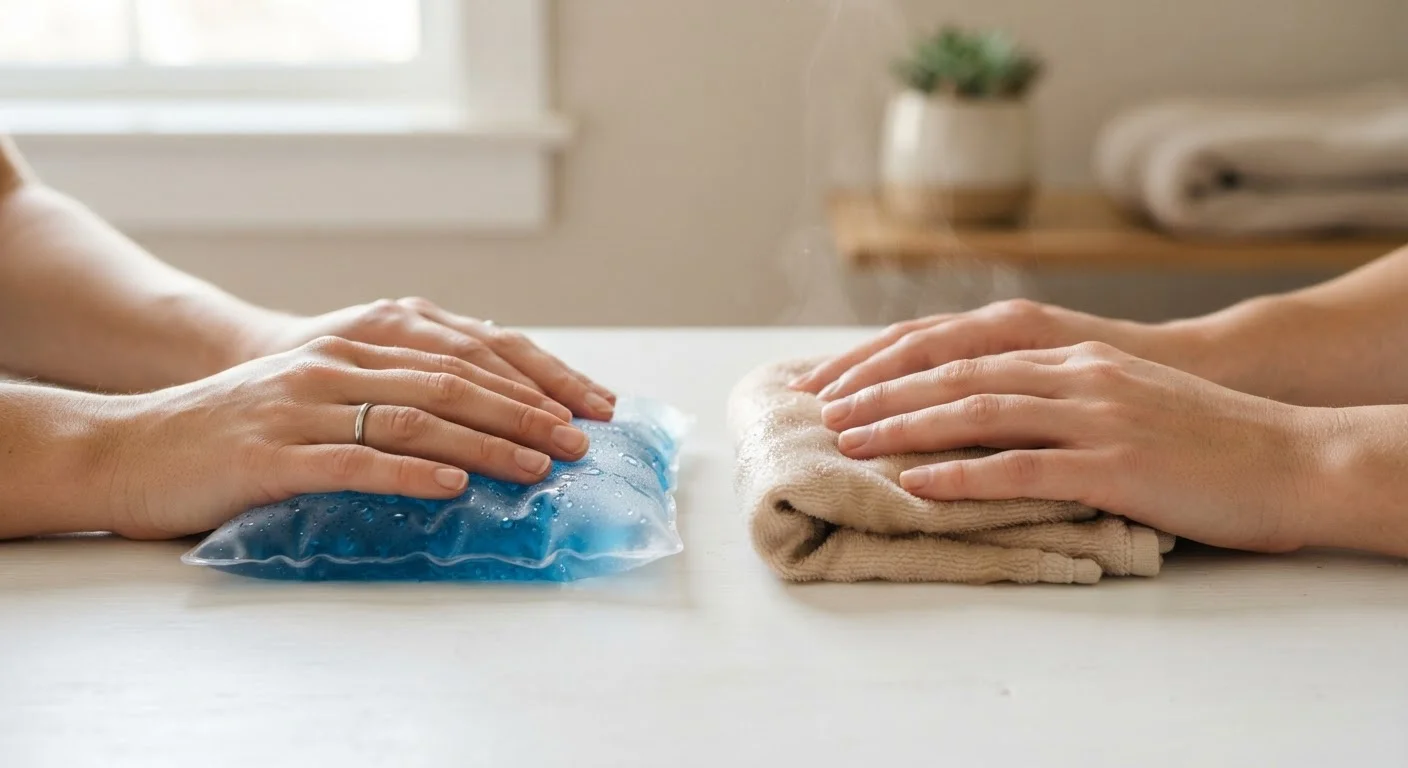
Cold Compress vs. Warm Compress: Matching the Right Temperature to the Right Symptom
Ice or heat? The answer depends on the symptom. This guide breaks down which compress type…

Eight Everyday Symptoms and the At-Home Approaches Commonly Used to Ease Them
From bloating to minor burns to itchy skin — a practical overview of commonly used home-ba…
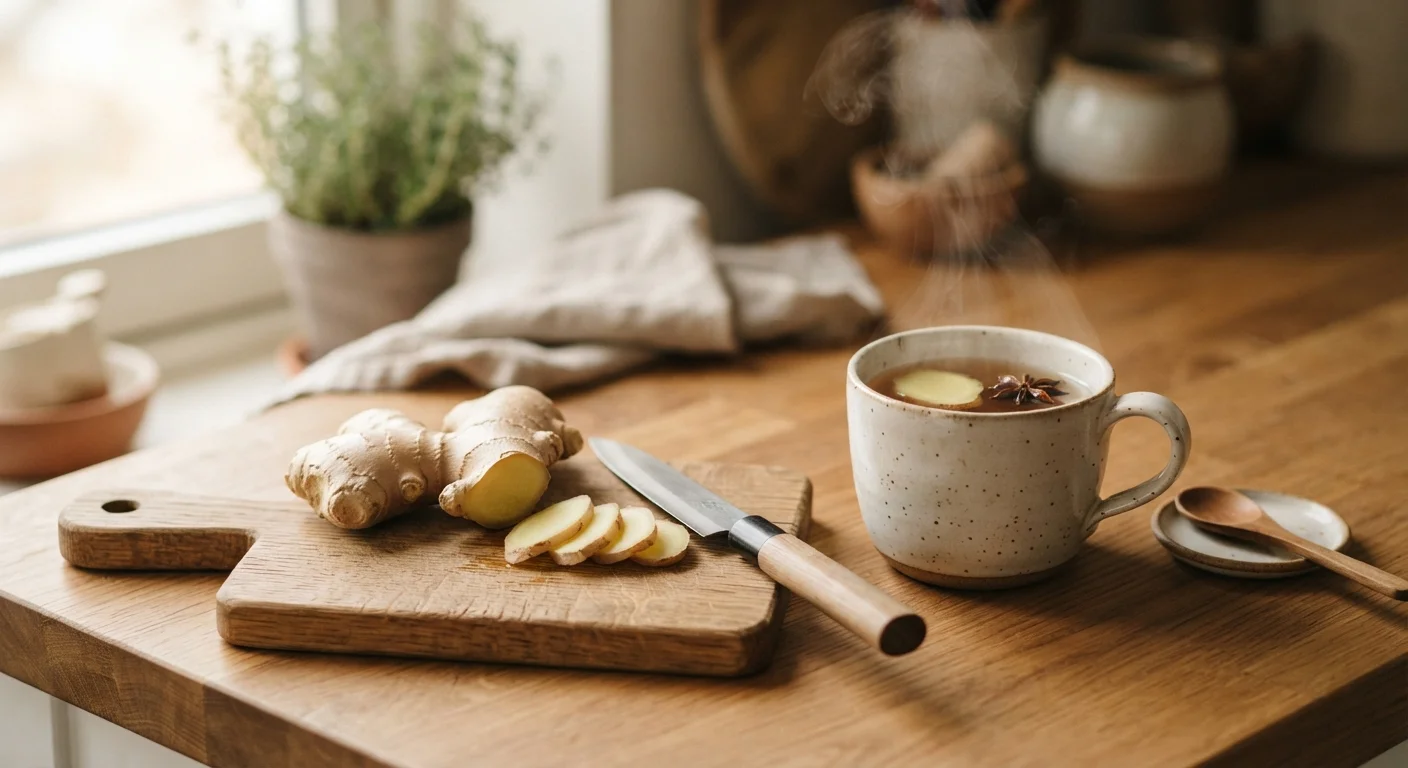
Ginger for Nausea: What the Science Actually Says
Ginger is widely recommended for nausea, but how strong is the evidence? A clear look at w…
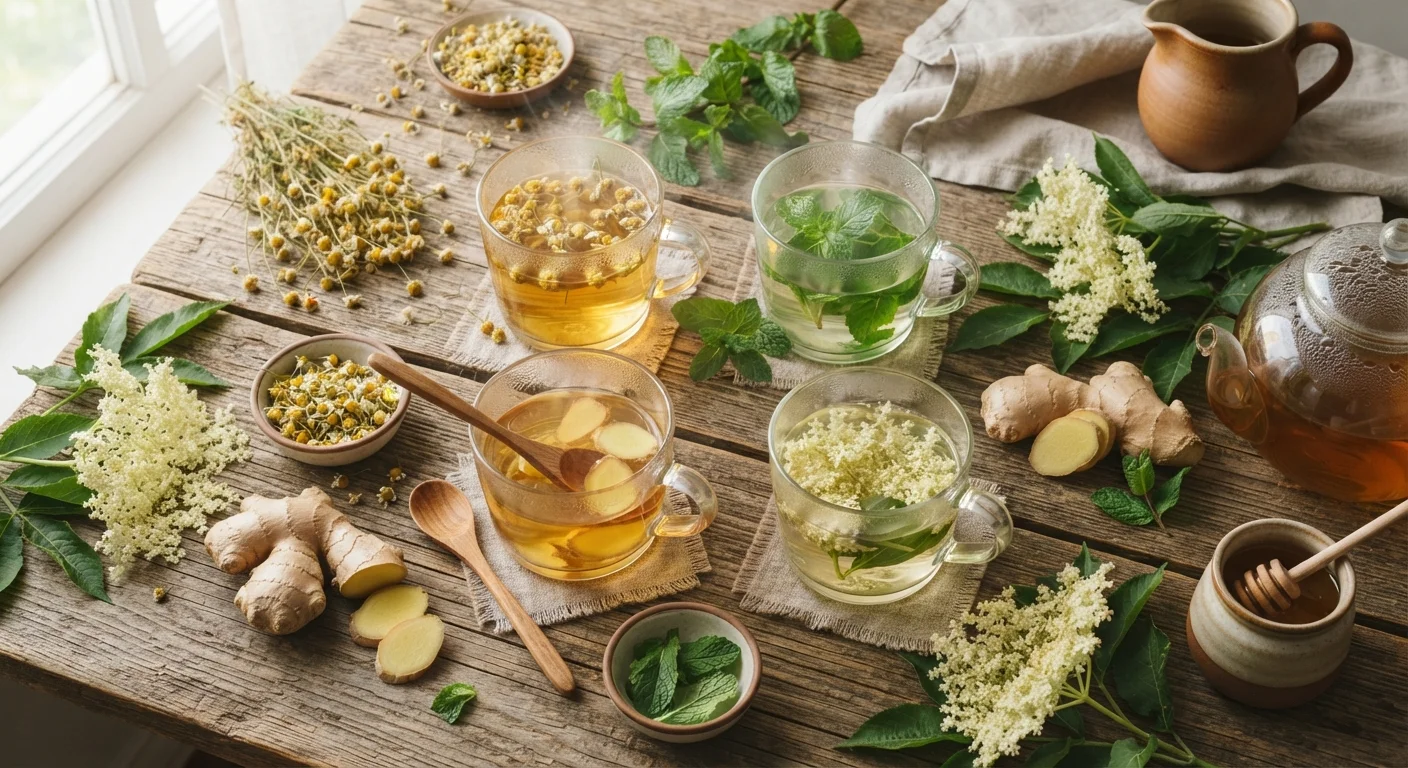
Herbal Teas for Common Ailments: Sorting Tradition from Evidence
Chamomile, peppermint, ginger, elderflower — what does the research say about popular herb…

Keeping a Home Remedy Pantry: What's Worth Having and Why
A reference list of commonly stocked ingredients — honey, ginger, oats, saline — and the e…
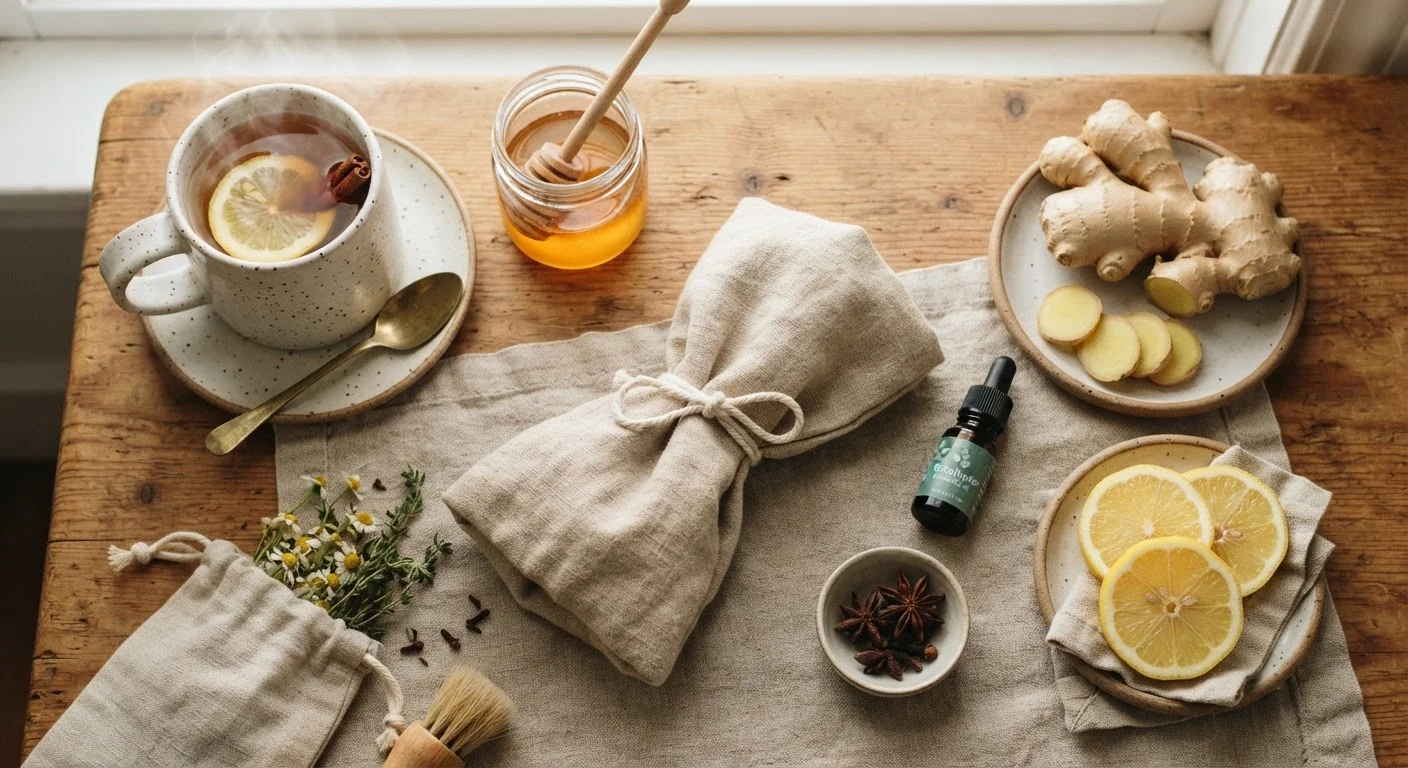
Natural Symptom Relief From Start to Finish: A Complete Educational Resource
Everything you need to understand home-based symptom relief — how it works, what helps, wh…
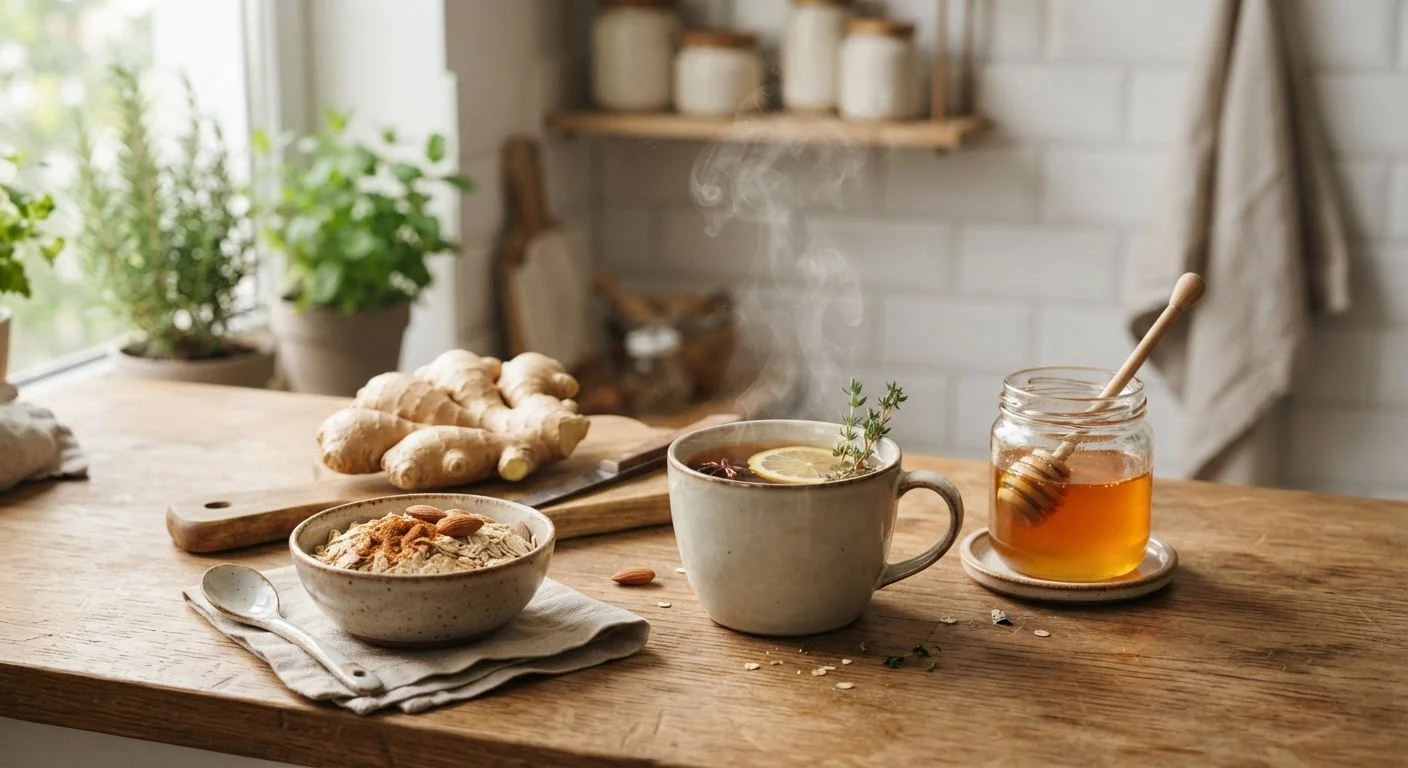
Natural Symptom Relief: A Grounded Introduction for Everyday Use
New to home remedies? Learn what 'natural relief' actually means, what it can and can't do…
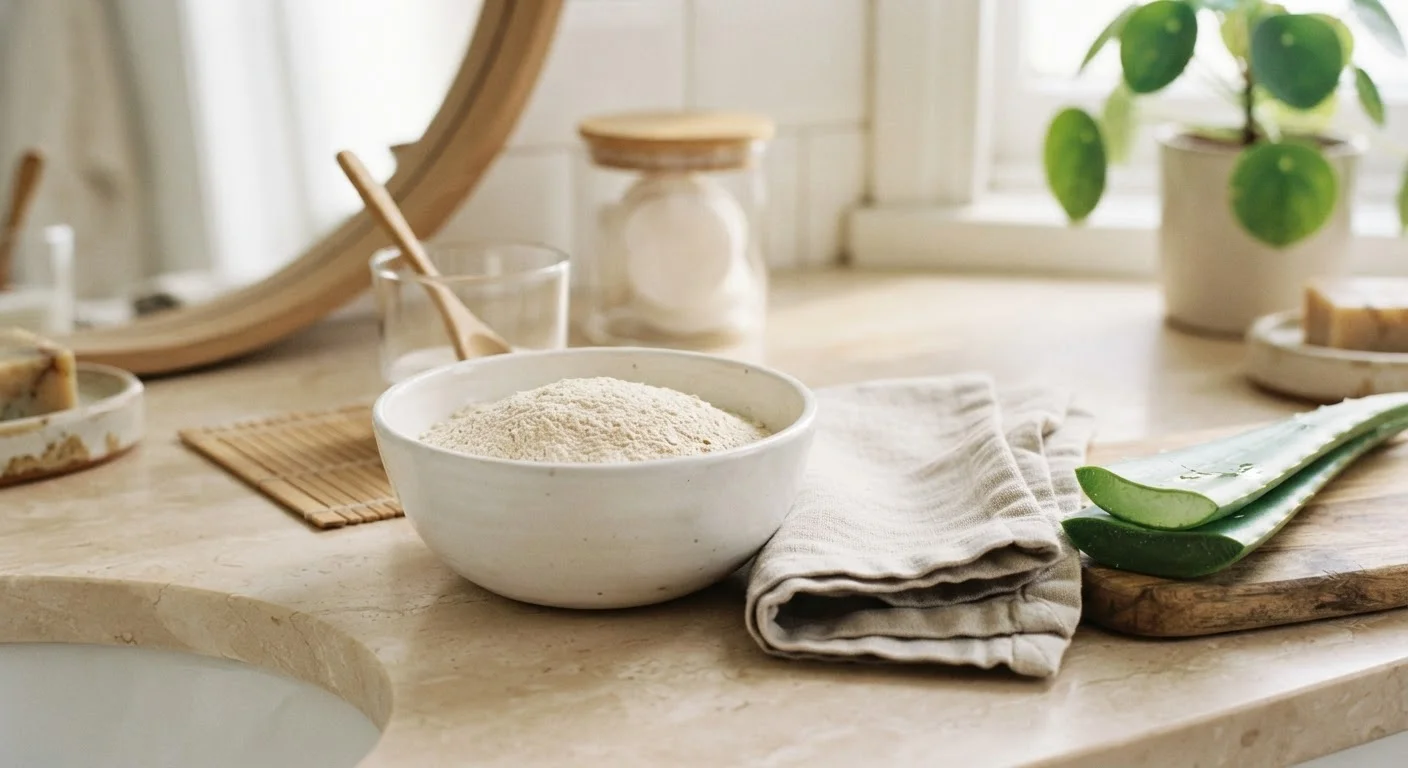
Oatmeal Baths, Aloe, and Cool Water: Approaches to Calming Irritated Skin at Home
Mild skin irritation from sunburn, dryness, or minor rashes can often be soothed at home. …
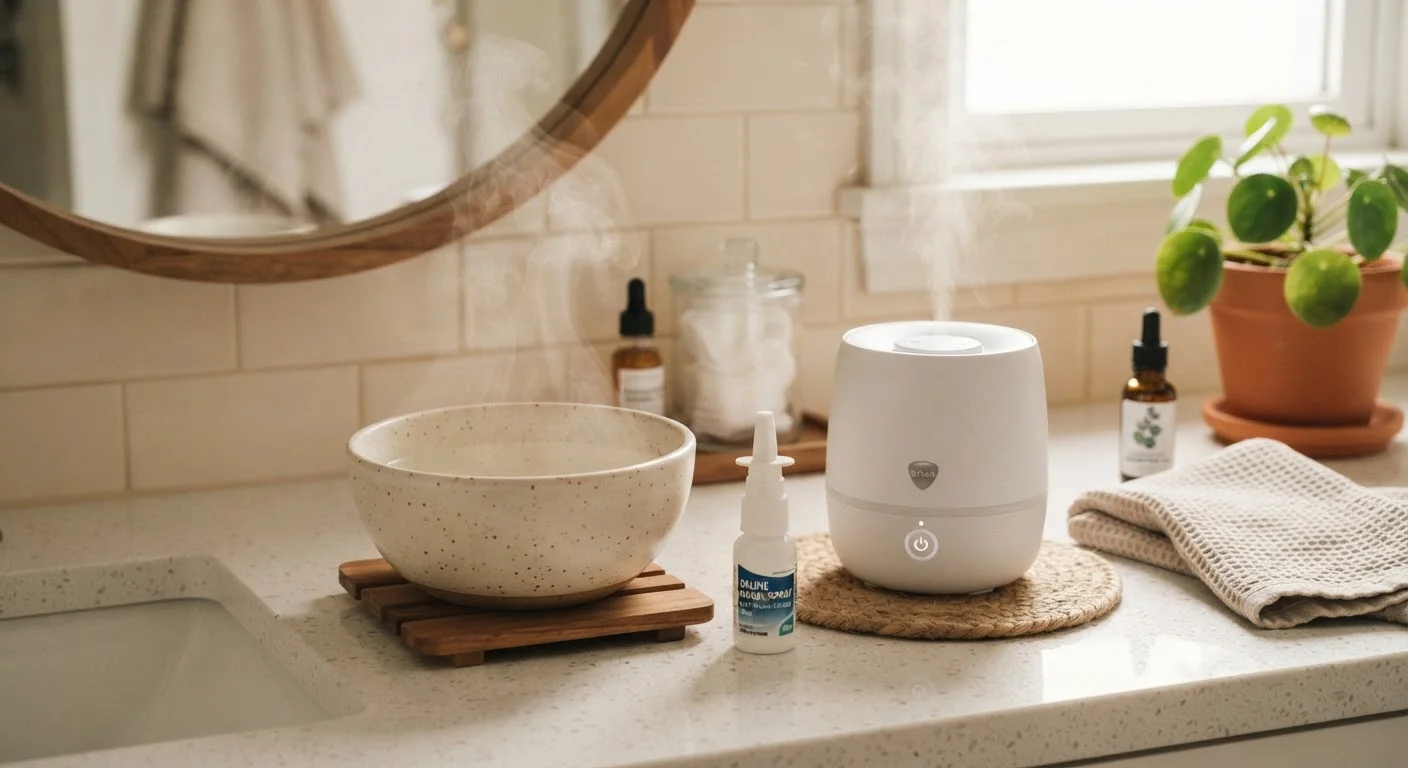
Steam, Salt Water, or Humidifier? Comparing Congestion Relief at Home
Stuffy nose? Explore how steam inhalation, saline rinses, and humidifiers each work — and …
Symptom Relief at Home: When It's Appropriate — and When It's Not
Home remedies work well for mild, self-limiting symptoms. Understand the boundaries that s…
The Tradeoffs of Relying on Home Remedies for Everyday Symptoms
Natural approaches to symptom relief have real advantages — and real limitations. A balanc…
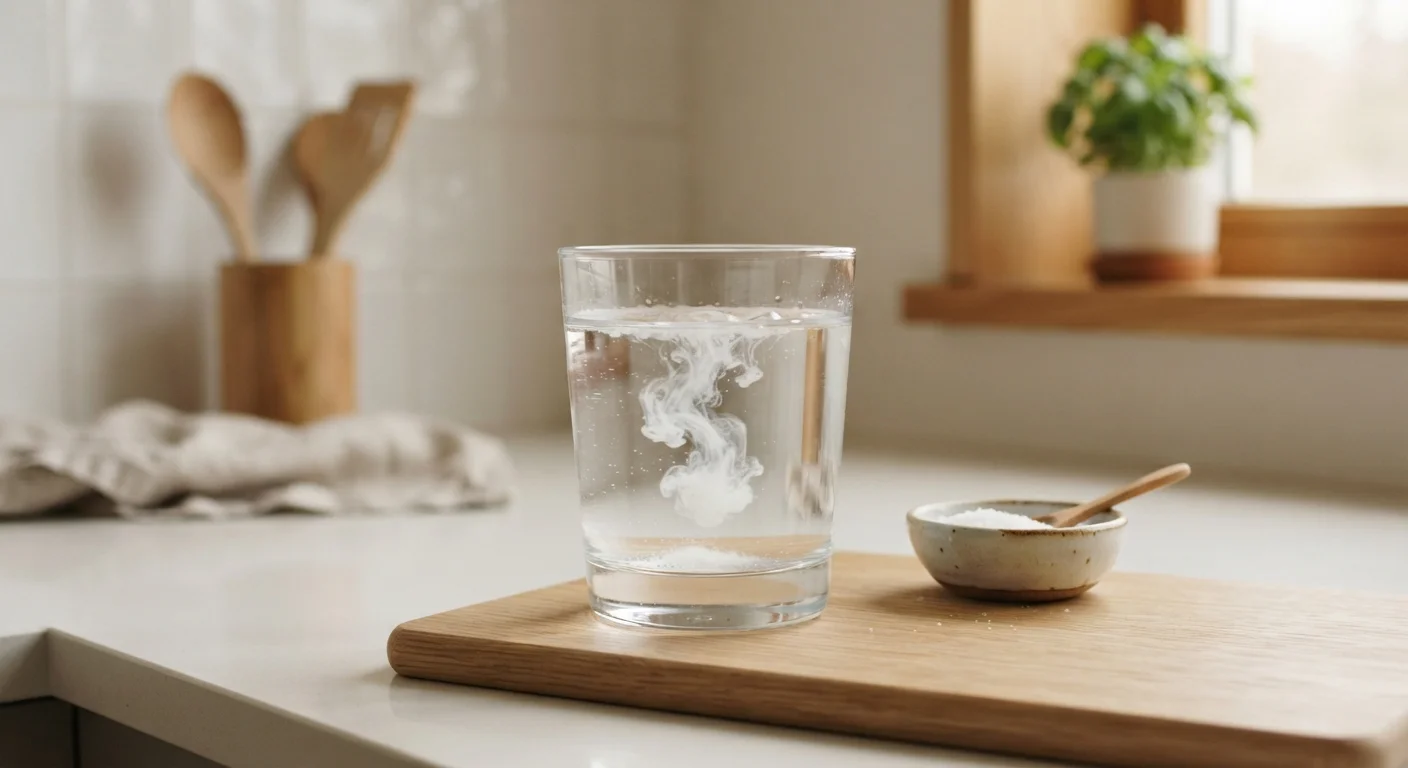
What Actually Happens When You Gargle Salt Water
Gargling salt water is a long-standing recommendation for sore throats. Here's the physiol…
When a Remedy Makes Things Worse: Pitfalls in at-Home Symptom Management
Well-intentioned home remedies can sometimes delay care or irritate symptoms. Learn which …
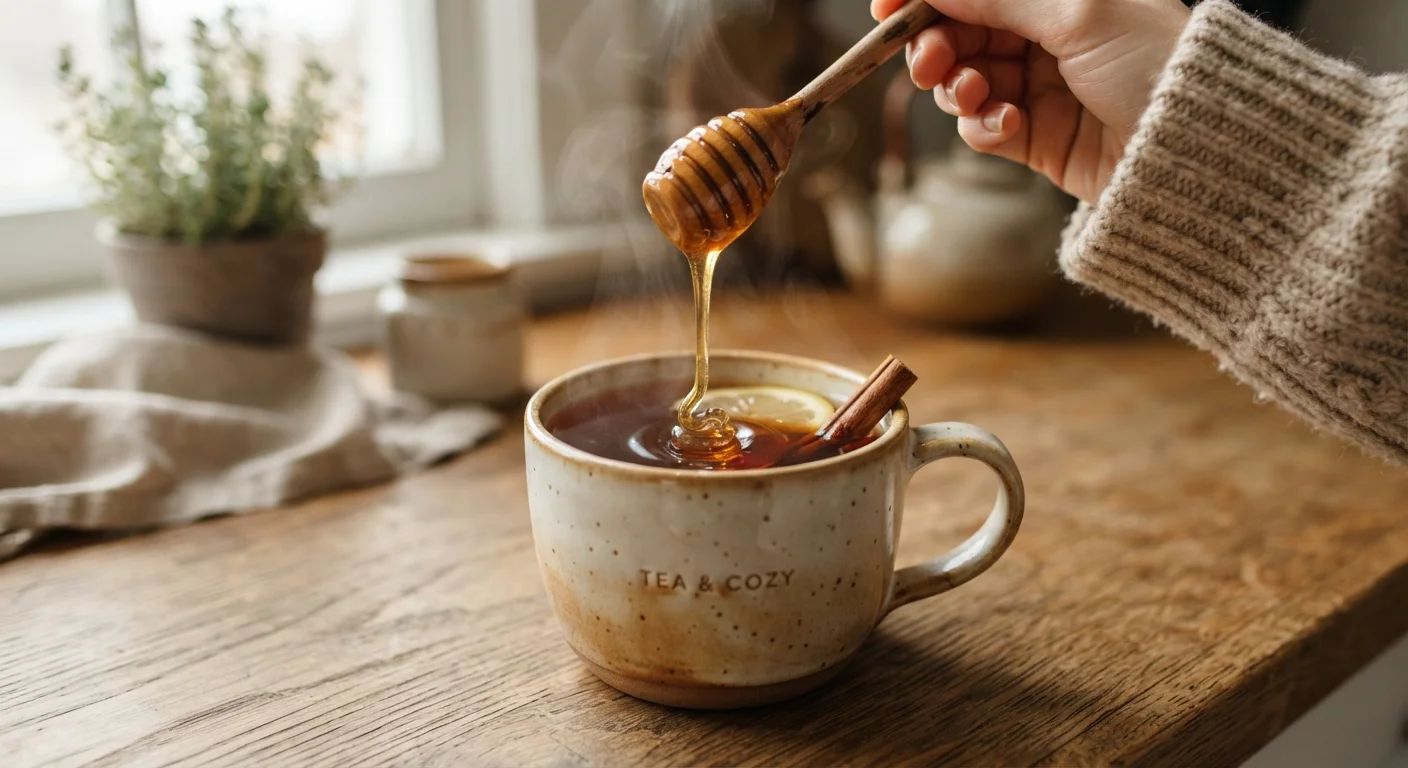
Why Honey Is Still One of the Most Researched Sore Throat Soothers
Honey has been used for throat discomfort for centuries. Here's what current research says…
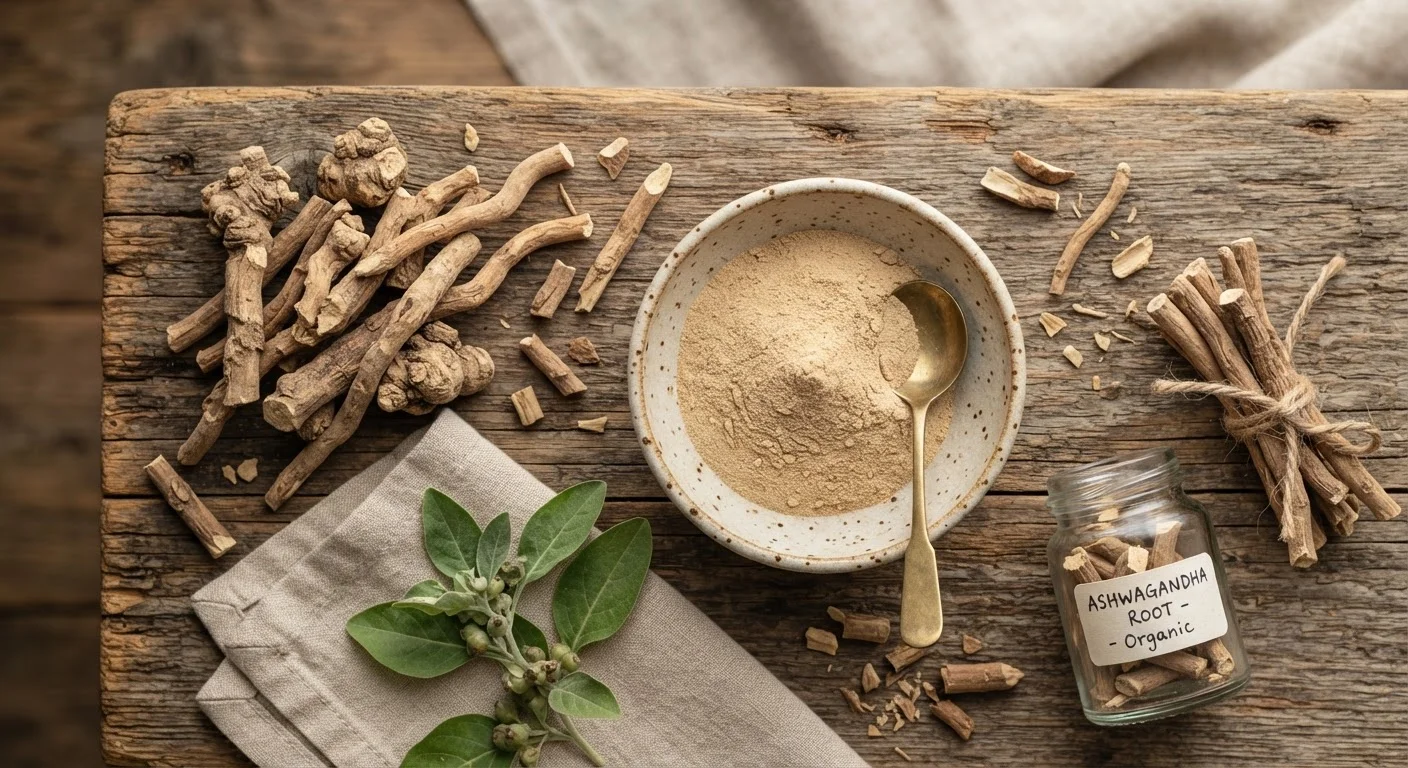
Ashwagandha's Rise in Mainstream Wellness: Tradition, Science, and Caution
Ashwagandha is one of the most discussed adaptogens today. This balanced overview covers i…
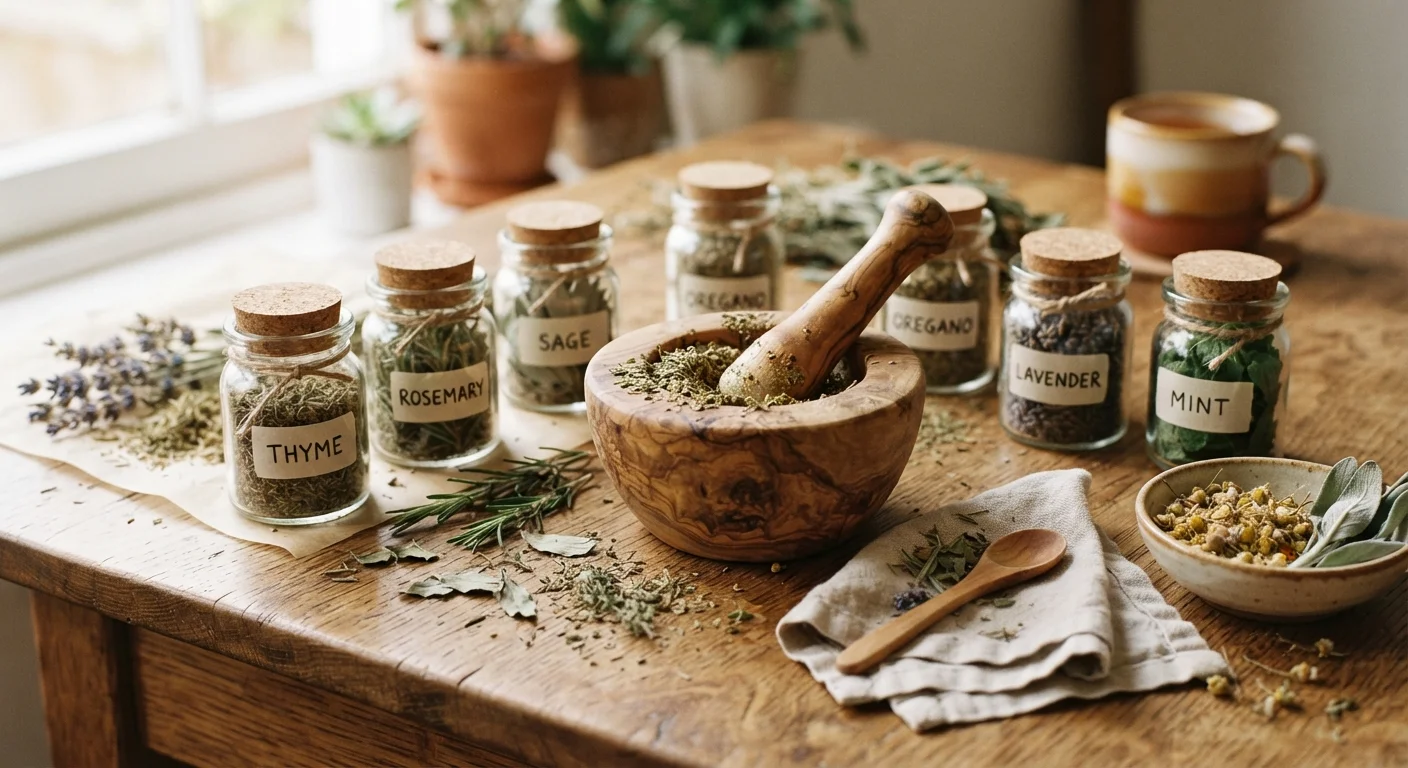
Assumptions That Lead People Astray in Herbal Wellness
From doubling doses to skipping disclosure with doctors, certain habits can make herbal re…
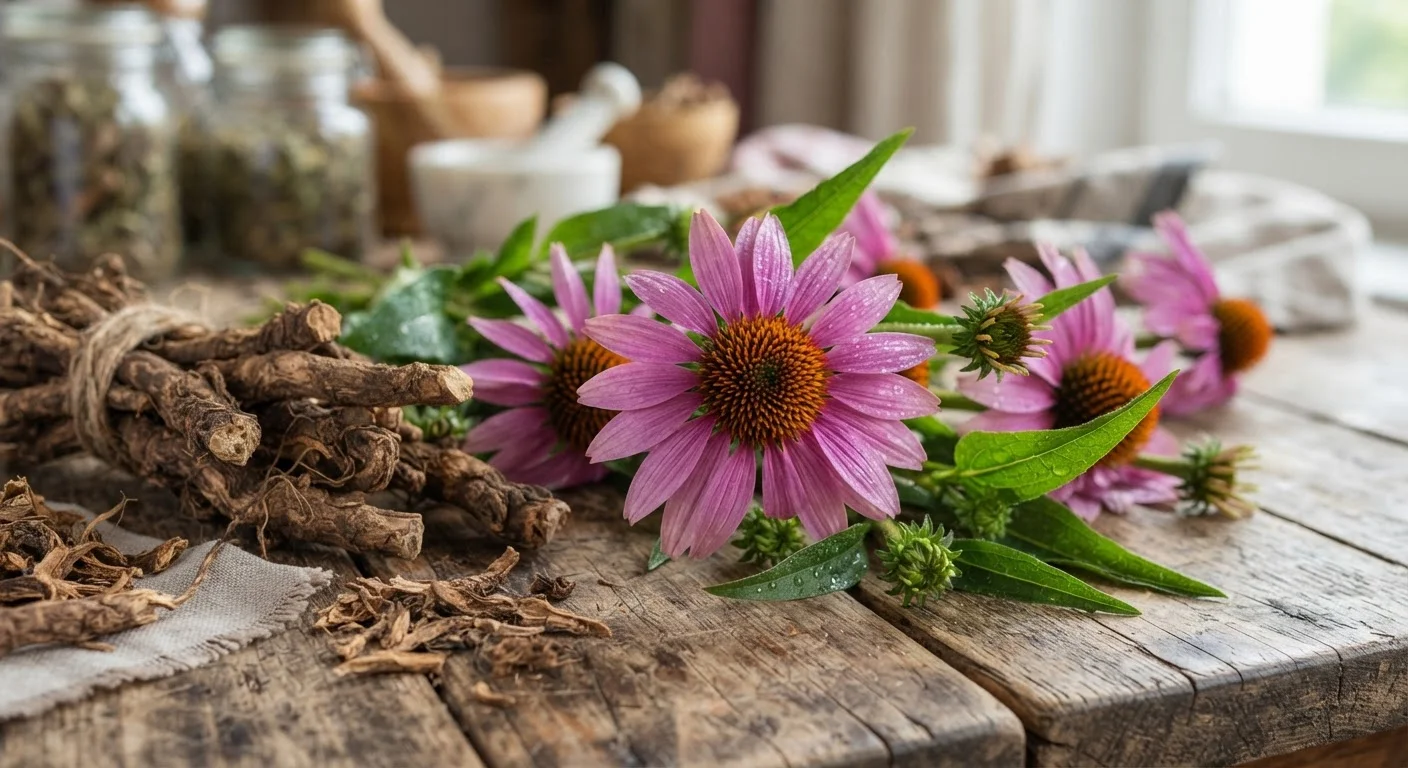
Echinacea and the Immune System: What the Research Actually Shows
Echinacea is widely used at the first sign of a cold. Here's an honest look at what clinic…
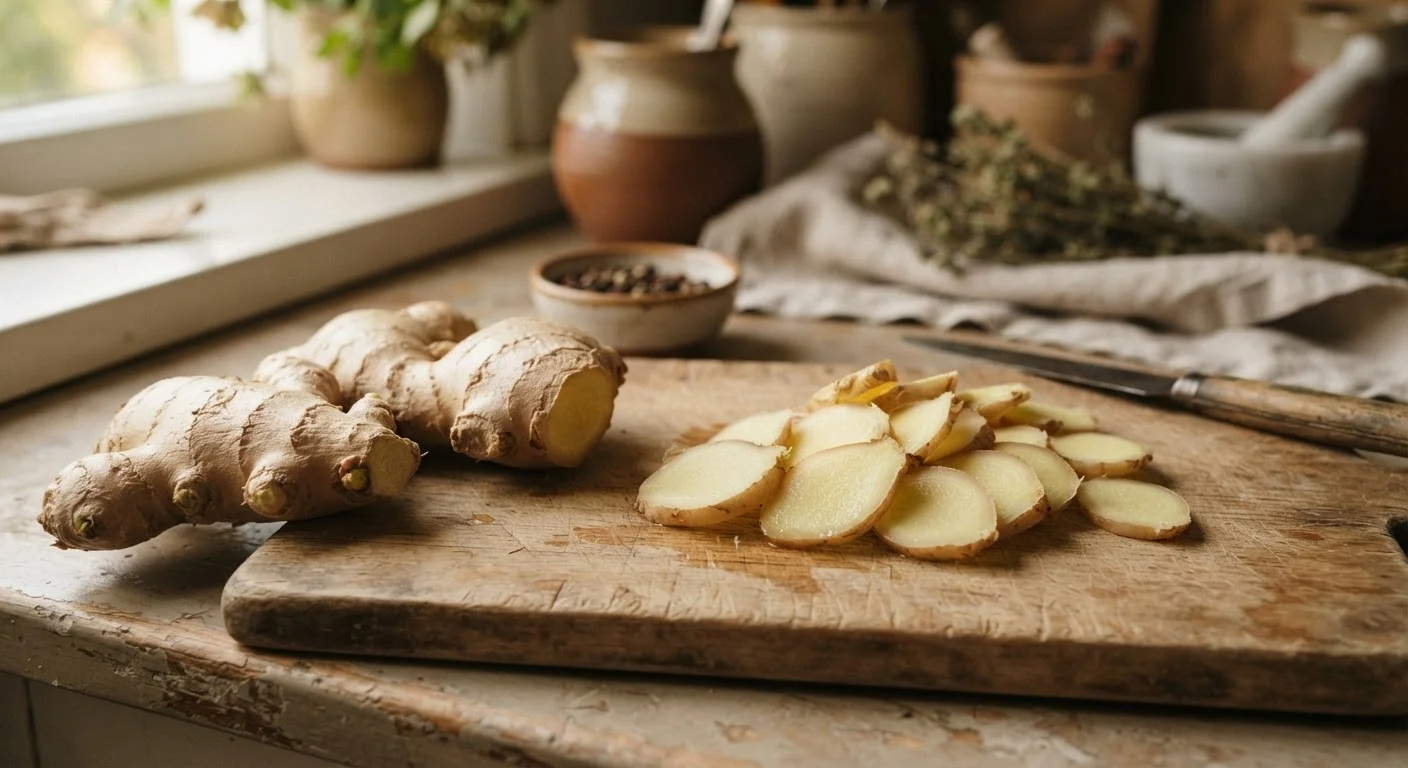
Ginger Root in Wellness Traditions: Uses, Evidence, and Safety
From nausea to inflammation, ginger has a long wellness history. This overview covers what…
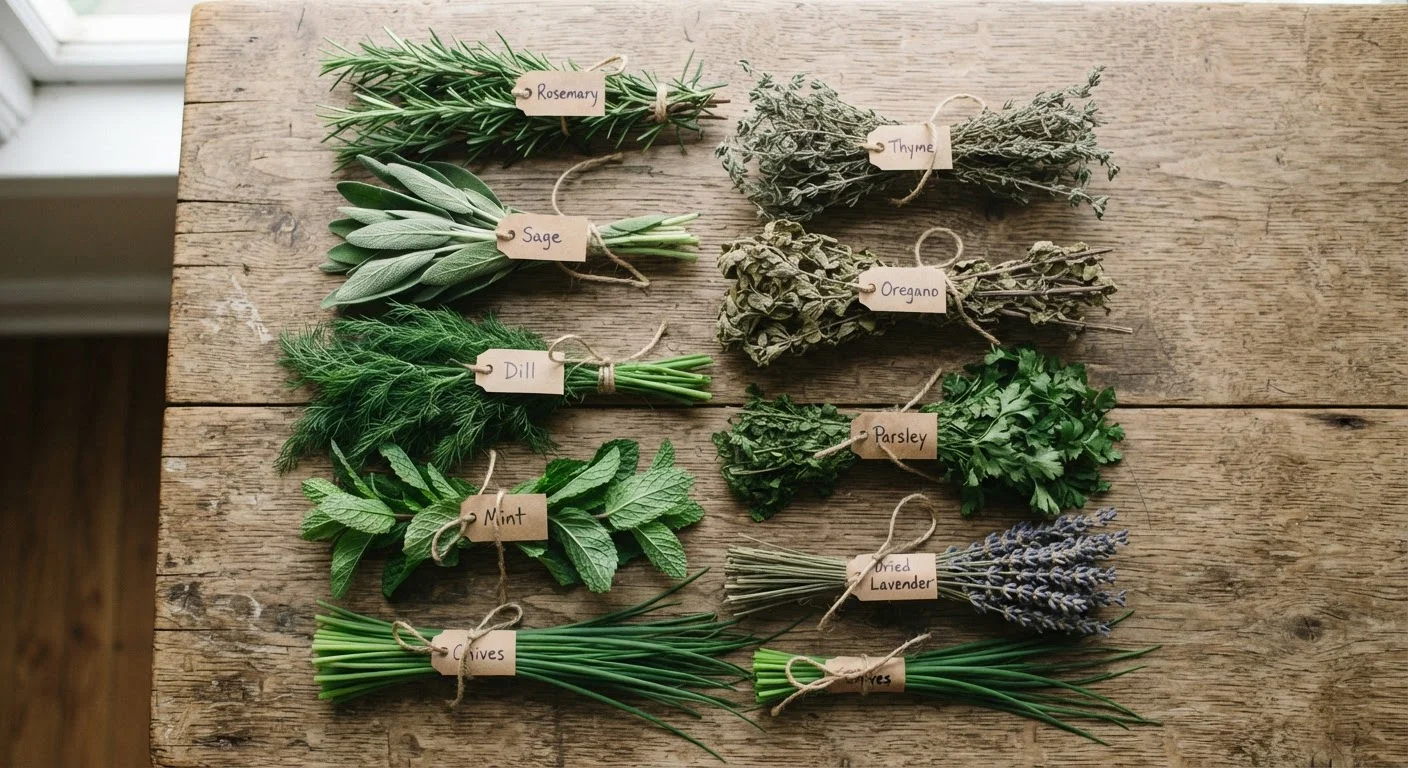
Herbs Commonly Confused with One Another: A Practical Identification Reference
Some widely used herbs share names or appearances but differ significantly in effects. Thi…
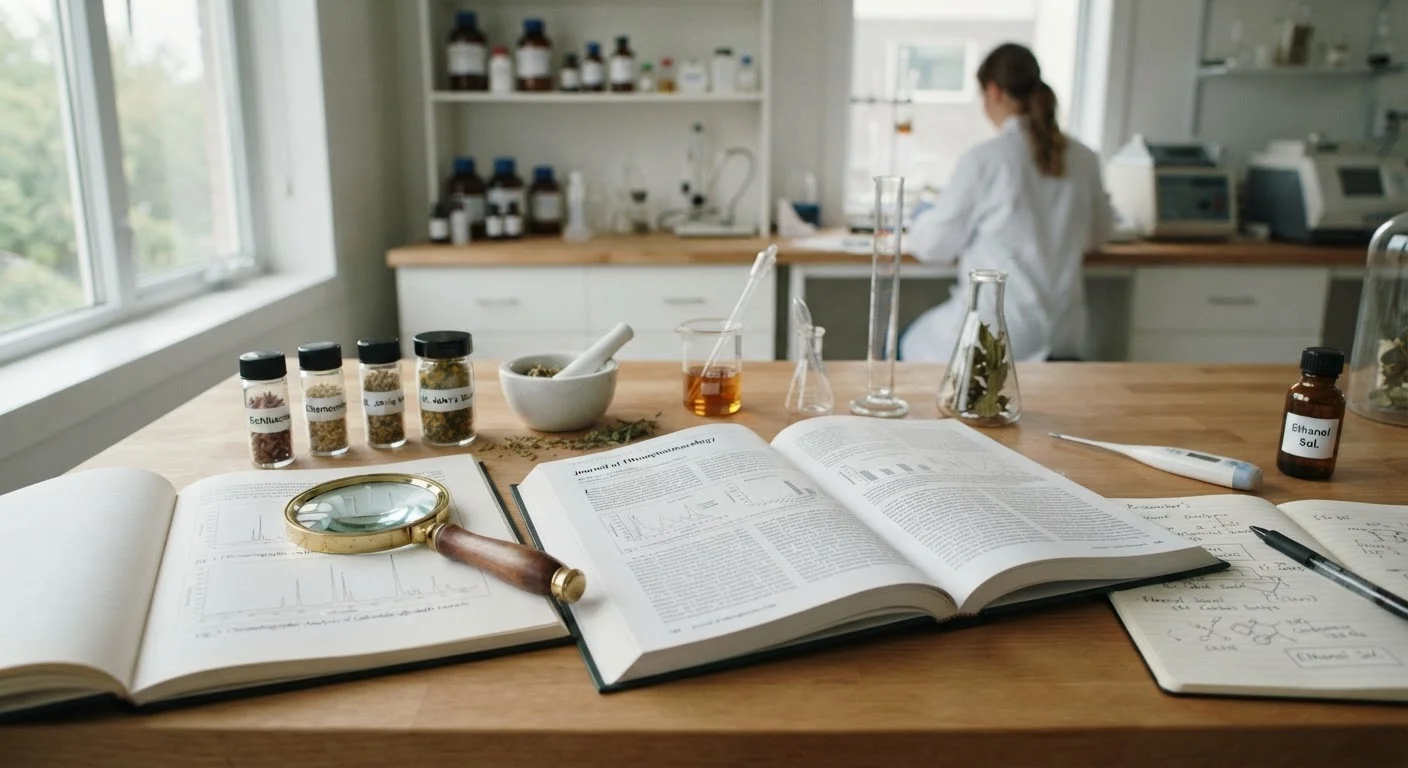
How Herbal Remedies Are Studied: Clinical Trials, Systematic Reviews, and Their Limits
Understanding how herbs are tested helps you evaluate health claims more critically. Learn…
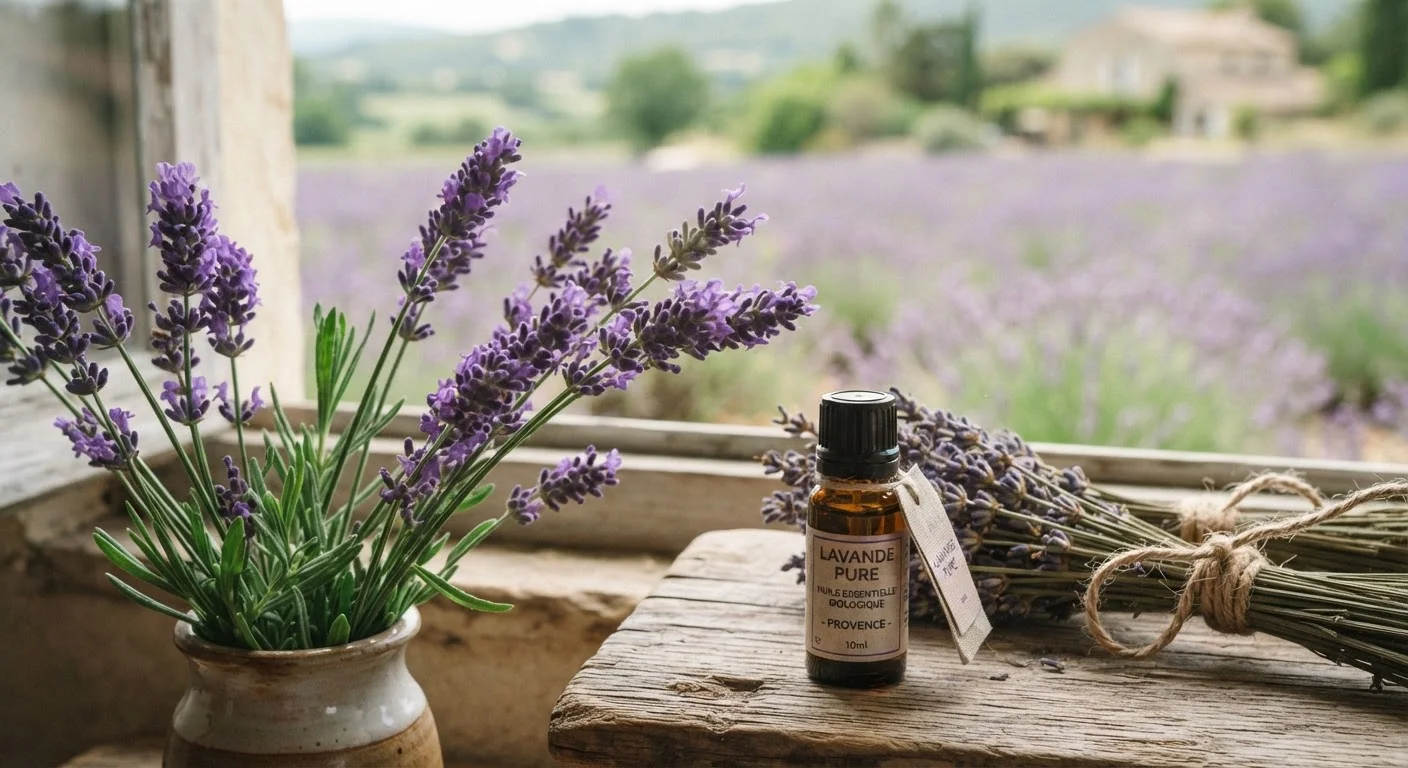
Lavender Beyond Aromatherapy: Its Role in Wellness Practices and What Evidence Supports
Lavender appears in everything from teas to topical oils. Explore its documented uses, the…
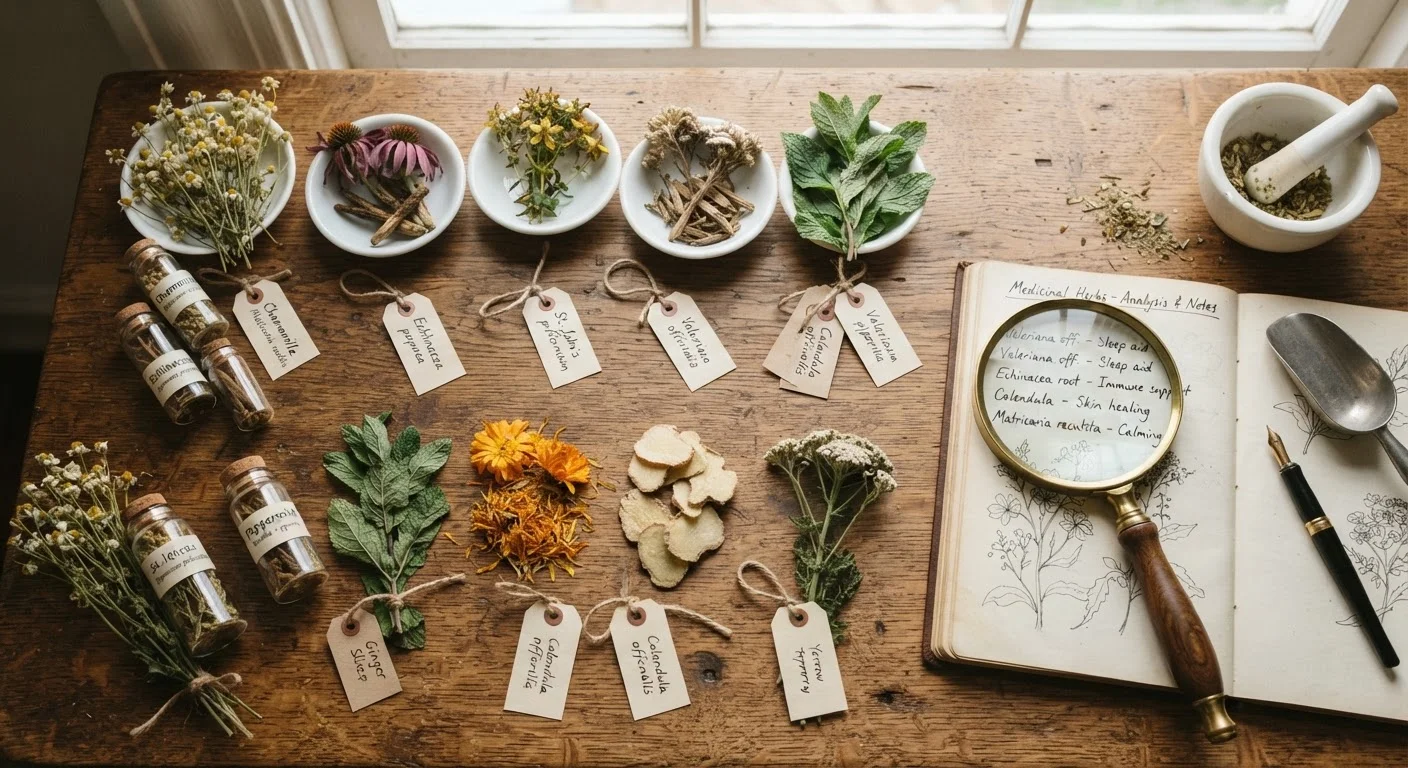
Medicinal Herbs Explained: What 'Active Compounds' Actually Means
Decode the science behind herbal wellness. Learn what active compounds are, how they're st…
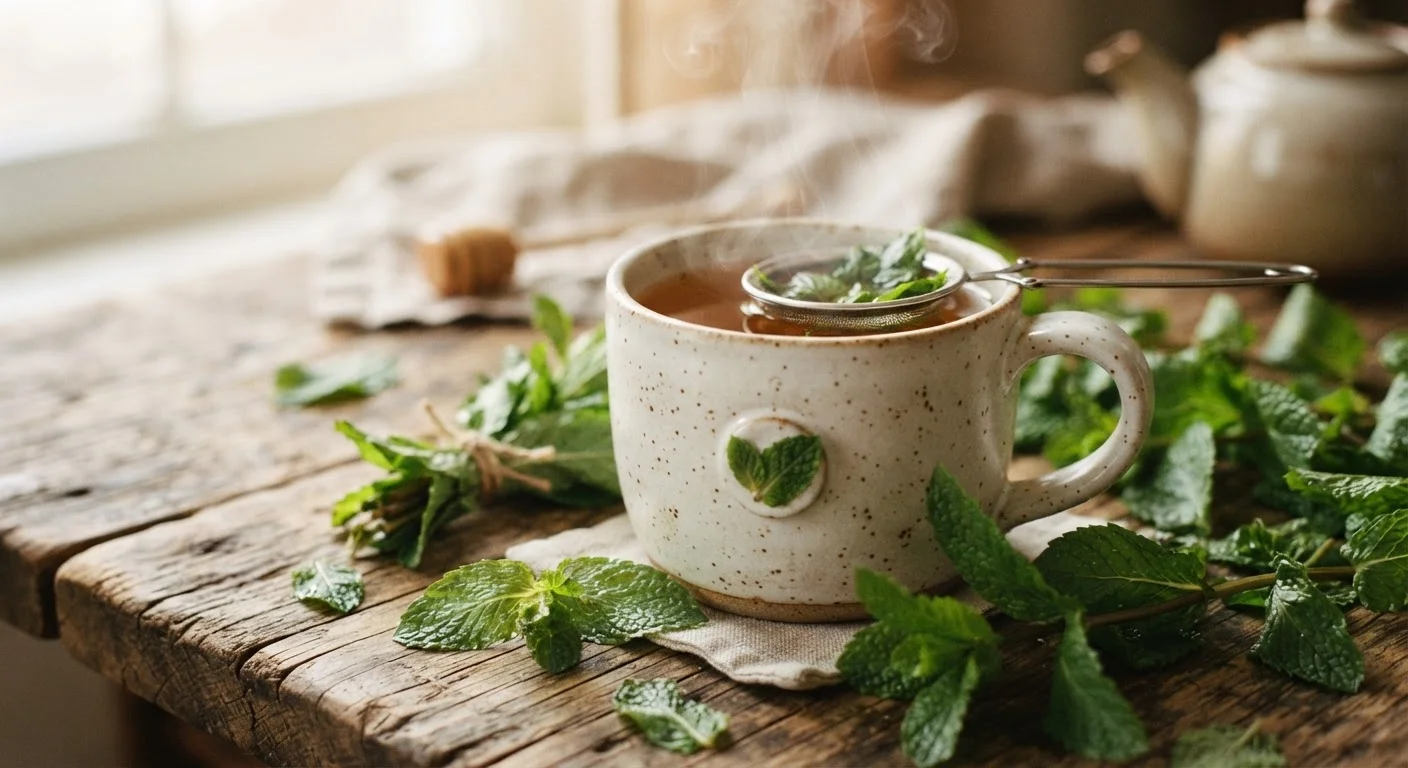
Peppermint for Digestion: Separating Folk Tradition from Clinical Findings
Peppermint tea and oil are longtime digestive remedies. Here's what research says about th…
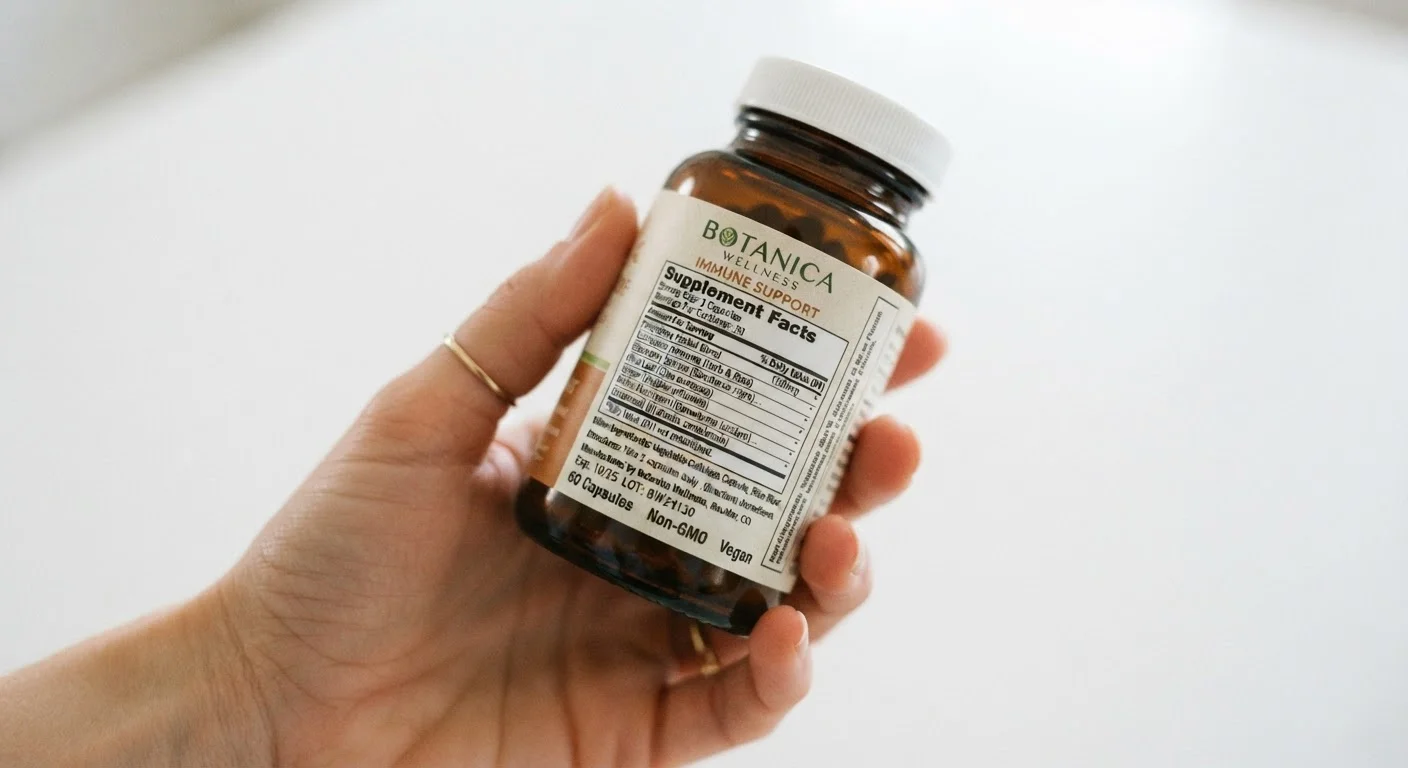
Reading an Herbal Supplement Label Without Getting Misled
Standardized extracts, proprietary blends, and vague claims can be confusing. Learn what h…
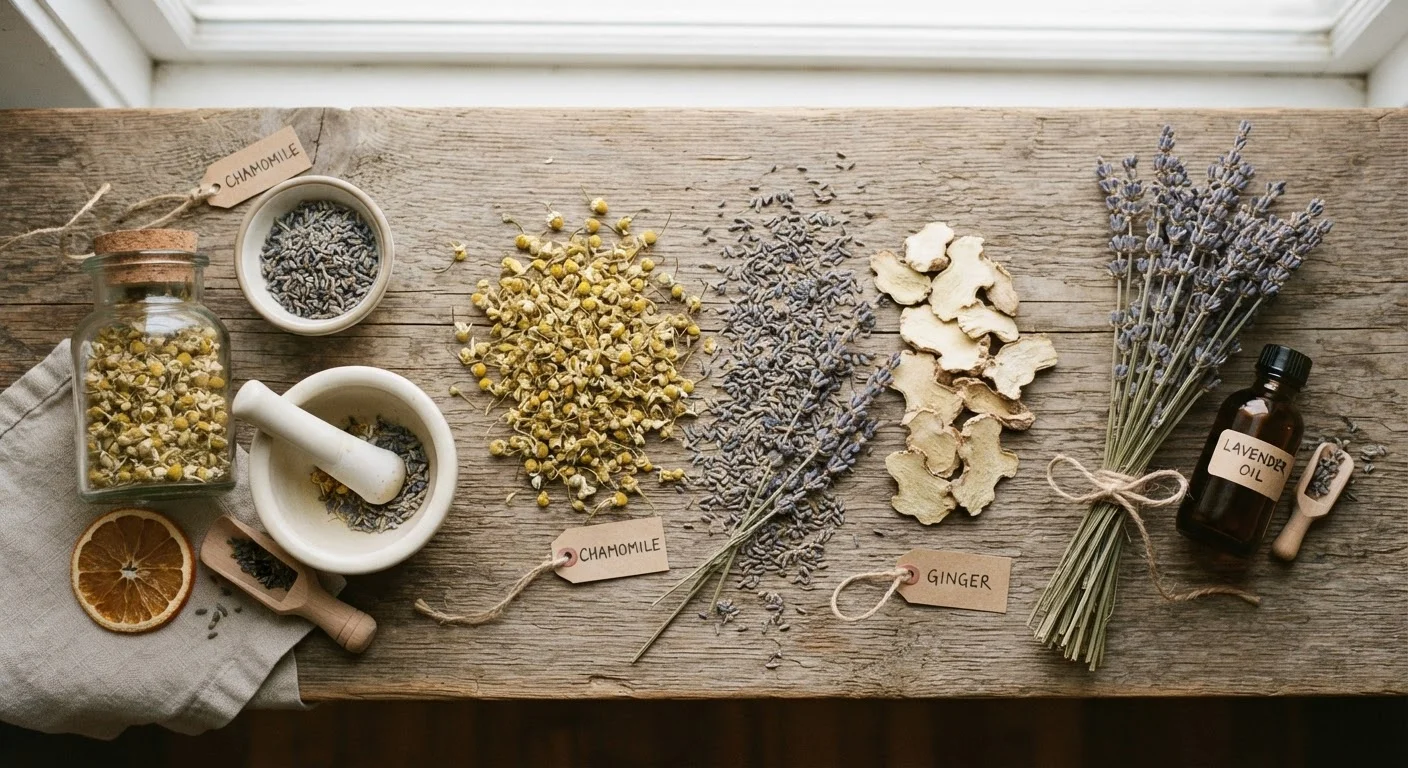
Starting with Herbal Wellness: A Grounded Introduction for Curious Adults
New to medicinal herbs? This guide covers key concepts, realistic expectations, and how to…
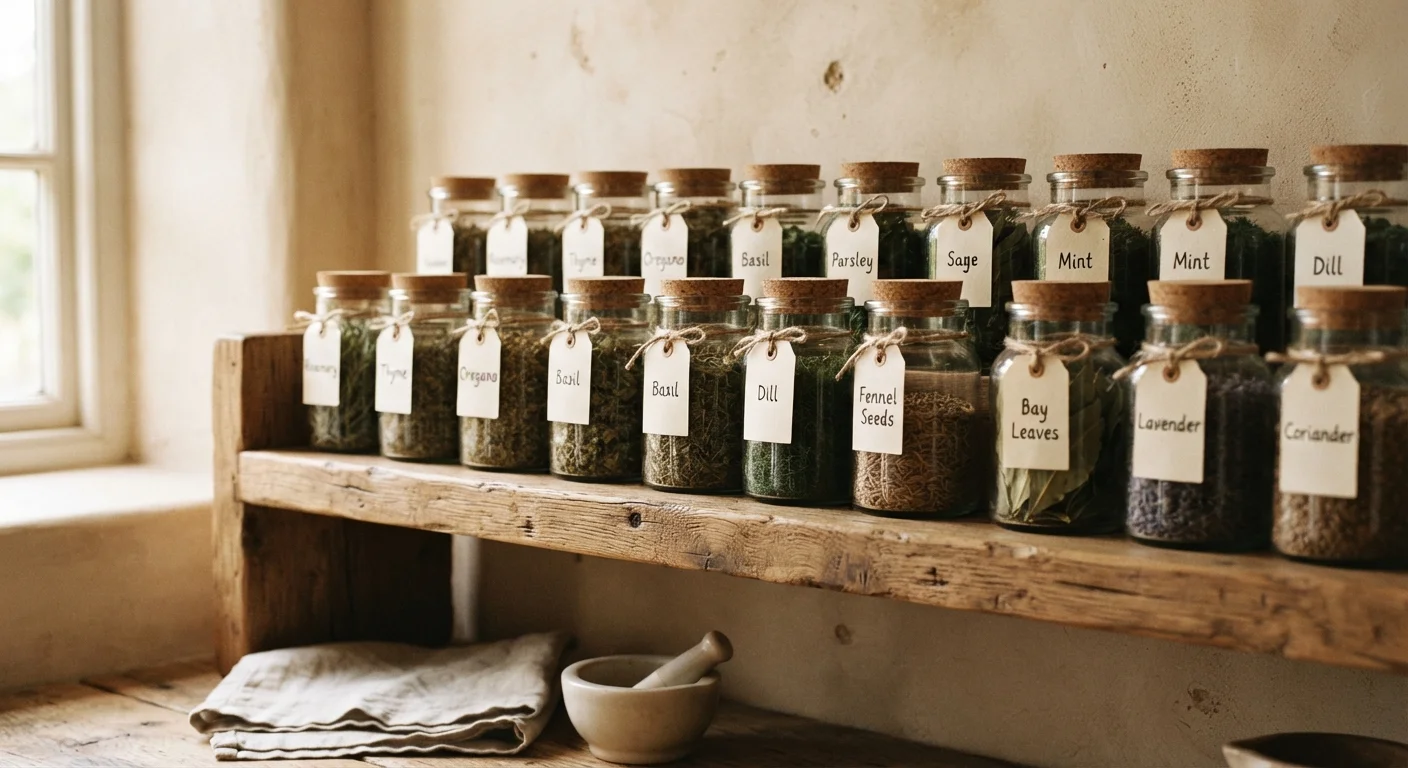
Storing and Preparing Dried Herbs at Home Without Losing Potency
Light, heat, and moisture degrade dried herbs quickly. Learn how to store, prepare, and us…
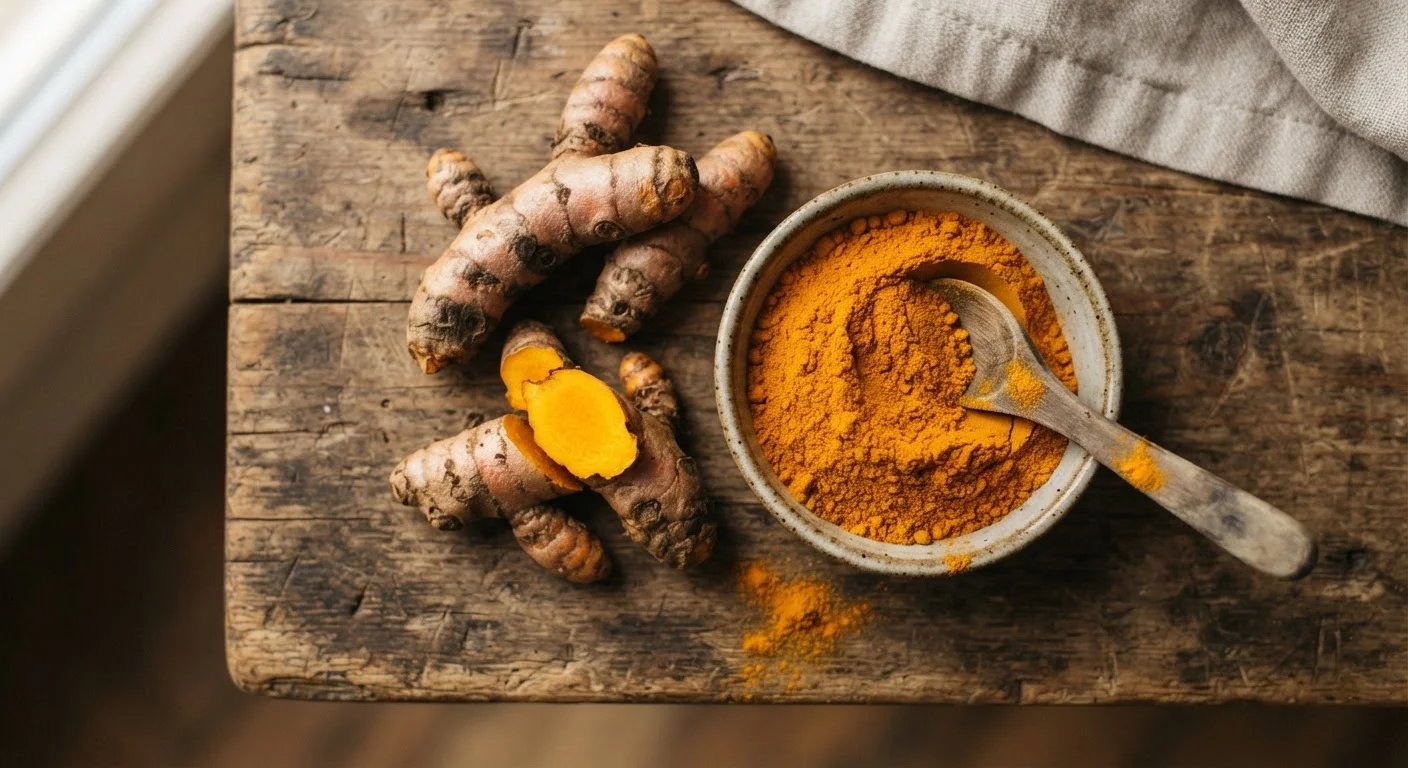
Turmeric vs. Curcumin: Understanding the Difference Before You Use Either
Turmeric and curcumin are often used interchangeably, but they aren't the same thing. Here…
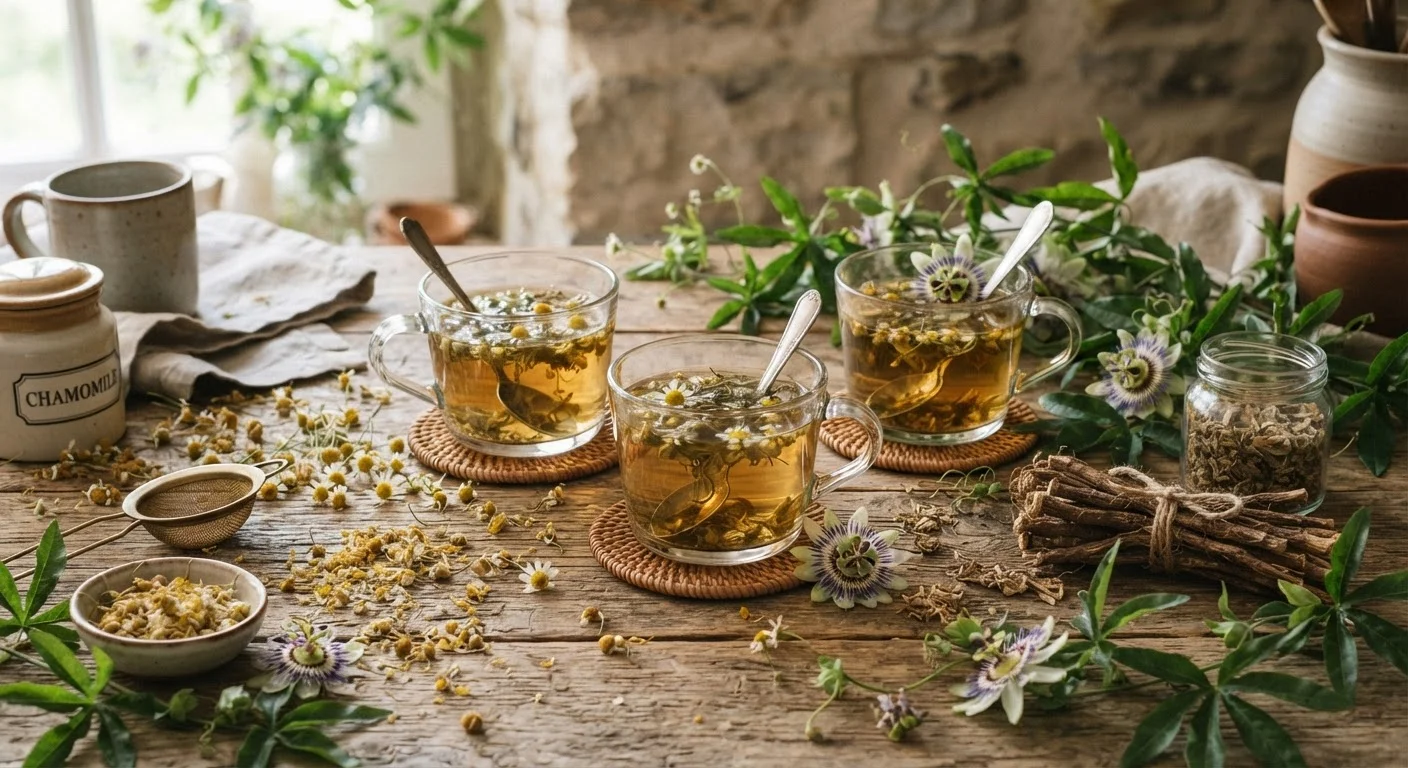
Valerian, Passionflower, and Chamomile: How Three Calming Herbs Compare
Three popular herbs are associated with relaxation and sleep. This side-by-side look exami…
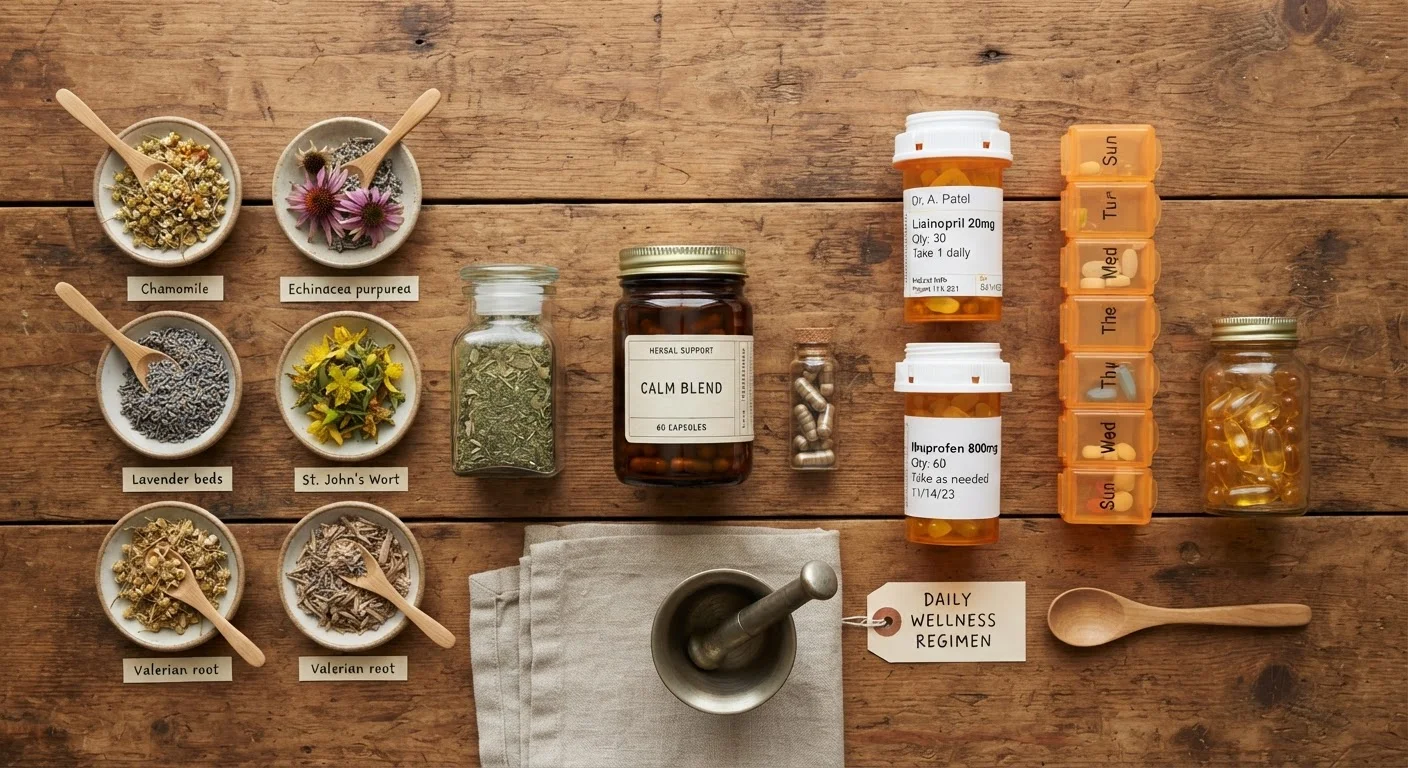
Why 'Natural' Doesn't Always Mean Safe: Herb–Drug Interactions Demystified
Many herbs can interact with common medications. Understand why these interactions happen,…