

Key Takeaways
- Ashwagandha is a root herb with deep roots in Ayurvedic medicine, used traditionally to support energy and resilience.
- Some clinical research suggests modest benefits for stress, sleep, and physical endurance — but evidence is still developing.
- The herb carries real safety considerations, including potential drug interactions and risks for certain populations.
- Always consult a healthcare provider before adding ashwagandha to your routine, especially if you have a health condition.
Long history of traditional use in Ayurveda
Ashwagandha has been used as a wellness herb for thousands of years across South Asian healing traditions, giving it one of the more established historical profiles among adaptogens.
Preliminary evidence for stress reduction
Multiple small trials found associations between ashwagandha supplementation and reduced perceived stress and lower cortisol — a key stress hormone — though effect sizes were modest.
May support sleep quality in stressed adults
Some research suggests it can improve sleep onset and duration, particularly in people experiencing stress-related sleep disruption, attributed to its mild sedative compounds.
Relatively well-tolerated in short-term use
Most clinical trials lasting up to 12 weeks report few significant adverse effects at commonly studied doses, with mild gastrointestinal discomfort being the most frequent complaint.
Evidence base remains preliminary and limited
Most studies are small, short-term, and not always independently funded. The scientific community has not reached a consensus on efficacy or optimal use.
Rare but real risk of liver injury
Case reports in peer-reviewed literature have linked ashwagandha supplementation to hepatotoxicity (liver damage) in some individuals, underscoring the importance of medical oversight.
Potential interactions with medications
Ashwagandha may interact with thyroid medications, immunosuppressants, sedatives, and blood sugar-lowering drugs, making disclosure to your doctor essential.
Not safe for all populations
Pregnant individuals, people with autoimmune disorders, and those with liver conditions face specific risks that make ashwagandha unsuitable without explicit medical approval.
Supplement quality is inconsistent
As an unregulated supplement in the U.S., product purity and potency vary widely across brands, and independent testing has found label inaccuracies in some products.
Our Verdict
Ashwagandha has a credible traditional history and a growing body of preliminary research, but it is not a proven cure-all. Its benefits appear modest and context-dependent, and its risks are real enough to warrant careful screening before use.
Best suited for generally healthy adults curious about adaptogenic herbs who are willing to discuss the option with a qualified healthcare provider before starting.
What Is Ashwagandha and Where Does It Come From?
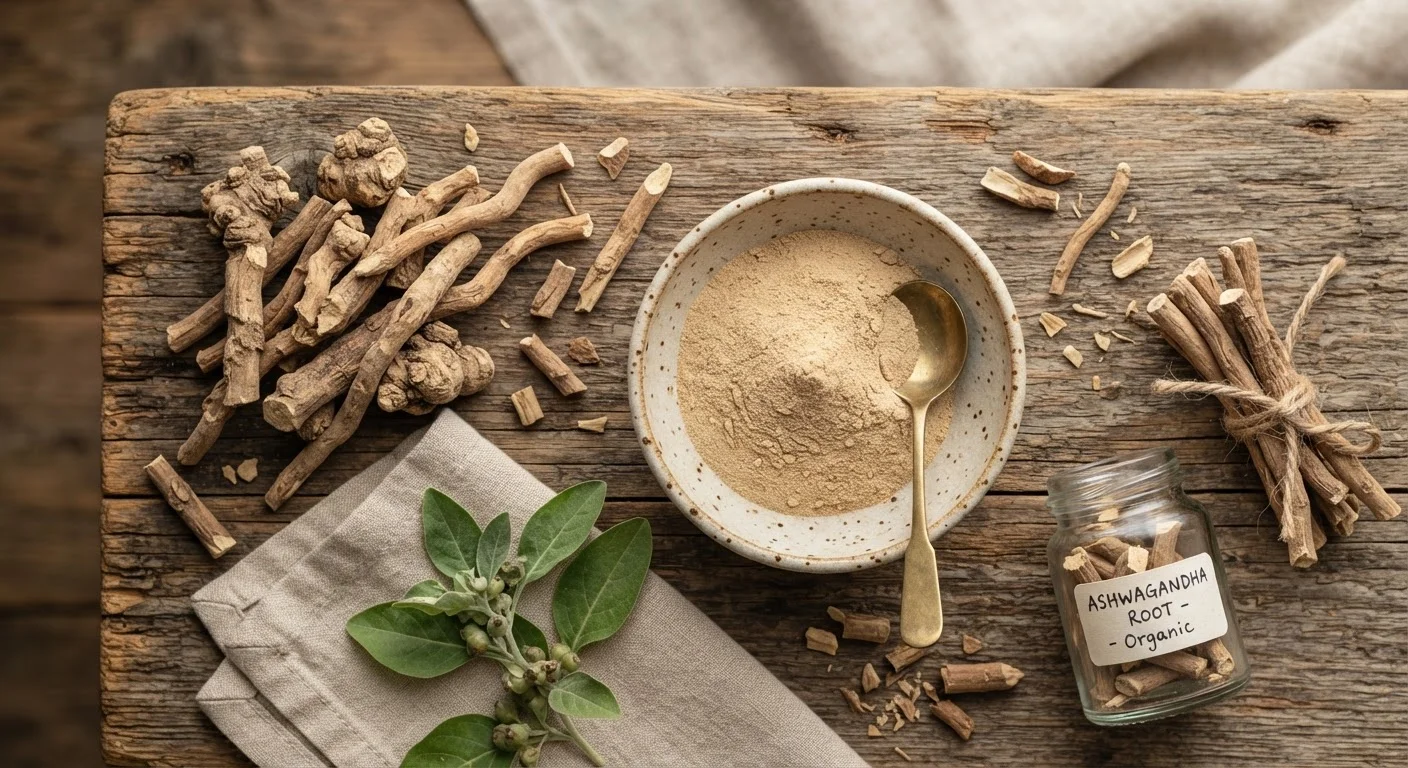
Ashwagandha (Withania somnifera) is a small shrub native to India, North Africa, and parts of the Mediterranean. Its root — and sometimes its leaves — has been used in Ayurvedic medicine for roughly 3,000 years, where it is classified as a rasayana, a category of herbs thought to promote longevity and overall vitality.
In Ayurveda, ashwagandha is described as an adaptogen — a substance believed to help the body respond more effectively to physical and mental stress. The name itself comes from Sanskrit: ashwa (horse) and gandha (smell), a reference to both the root's distinctive aroma and the traditional belief that it could confer horse-like strength.
Today, ashwagandha is one of the best-selling herbal supplements in the United States, available as capsules, powders, tinctures, and even gummies. Its mainstream popularity has outpaced the scientific evidence behind it — which makes an honest look at both tradition and research especially valuable. For a broader look at how traditional plant medicines compare across cultures, see our overview of kitchen remedies across cultures.
What the Research Suggests
A number of small-to-medium clinical trials have examined ashwagandha's effects on stress, sleep, exercise performance, and hormonal markers. The results are cautiously encouraging in some areas, but not definitive.
~60%
Stress reduction reported in trials
A 2019 randomized trial published in Medicine found that participants taking ashwagandha root extract reported roughly 60% reductions in stress scores compared to placebo over 60 days.
8–12 weeks
Typical study duration in research
Most clinical trials examining ashwagandha's effects have run for 8 to 12 weeks, limiting what can be said about long-term safety or sustained effectiveness.
Stress and cortisol: Several randomized controlled trials have found that ashwagandha root extract was associated with reductions in self-reported stress and lower cortisol levels compared to placebo. Effect sizes were generally modest, and study populations were small.
Sleep quality: A few trials suggest ashwagandha may support sleep onset and quality in adults with mild insomnia or high stress. Researchers attribute this partly to compounds called withanolides and to the herb's mild sedative properties.
Physical performance: Some studies in healthy adults reported small improvements in muscle strength and recovery. These findings are preliminary and don't yet support broad athletic performance claims.
Importantly, most studies have been short-term (8–12 weeks) and funded or conducted by parties with commercial interests in the results. Independent, large-scale trials are still limited. If you're new to herbal supplements, a grounded introduction to herbal wellness can help set realistic expectations.
Pros and Cons of Ashwagandha
Like any herb or supplement, ashwagandha comes with both potential benefits and genuine drawbacks. Understanding both sides helps you make a more informed conversation with your healthcare provider.
Long history of traditional use in Ayurveda
Ashwagandha has been used as a wellness herb for thousands of years across South Asian healing traditions, giving it one of the more established historical profiles among adaptogens.
Preliminary evidence for stress reduction
Multiple small trials found associations between ashwagandha supplementation and reduced perceived stress and lower cortisol — a key stress hormone — though effect sizes were modest.
May support sleep quality in stressed adults
Some research suggests it can improve sleep onset and duration, particularly in people experiencing stress-related sleep disruption, attributed to its mild sedative compounds.
Relatively well-tolerated in short-term use
Most clinical trials lasting up to 12 weeks report few significant adverse effects at commonly studied doses, with mild gastrointestinal discomfort being the most frequent complaint.
Evidence base remains preliminary and limited
Most studies are small, short-term, and not always independently funded. The scientific community has not reached a consensus on efficacy or optimal use.
Rare but real risk of liver injury
Case reports in peer-reviewed literature have linked ashwagandha supplementation to hepatotoxicity (liver damage) in some individuals, underscoring the importance of medical oversight.
Potential interactions with medications
Ashwagandha may interact with thyroid medications, immunosuppressants, sedatives, and blood sugar-lowering drugs, making disclosure to your doctor essential.
Not safe for all populations
Pregnant individuals, people with autoimmune disorders, and those with liver conditions face specific risks that make ashwagandha unsuitable without explicit medical approval.
Supplement quality is inconsistent
As an unregulated supplement in the U.S., product purity and potency vary widely across brands, and independent testing has found label inaccuracies in some products.
Who Should Be Cautious or Avoid It Entirely
Ashwagandha is not appropriate for everyone. Several groups should either avoid it or seek specific medical guidance before use:
- Pregnant individuals: Ashwagandha has historically been associated with uterine-stimulating effects. Most healthcare providers advise against use during pregnancy.
- People with autoimmune conditions: Because ashwagandha may stimulate immune activity, it could theoretically worsen conditions like rheumatoid arthritis, lupus, or multiple sclerosis.
- Those on thyroid medications: Ashwagandha may influence thyroid hormone levels, which could interact with existing treatment.
- People taking sedatives or anti-anxiety medications: Additive sedation is a real concern.
- Individuals with liver disease: Rare but documented cases of herb-induced liver injury linked to ashwagandha have been reported in medical literature.
Disclosure to Your Doctor Matters
Many people assume herbal supplements are too minor to mention at medical appointments — but ashwagandha can influence hormone levels, immune function, and medication metabolism. Always tell your healthcare provider about any supplements you take, even if they seem natural or harmless. This is especially important before surgery or if you are managing a chronic condition.
For a practical look at how well-meaning herbal habits can go wrong, see common assumptions that lead people astray in herbal wellness.
This article is for general informational purposes only and is not a substitute for professional medical advice, diagnosis, or treatment. Always consult a qualified healthcare provider before starting any new supplement.