

Key Takeaways
- Herbal wellness draws on centuries of traditional use, but that history alone does not equal proven medical effectiveness.
- Many commonly used herbs have a real but limited evidence base — benefits are often modest and context-dependent.
- "Natural" does not mean safe for everyone; herbs can interact with medications and affect certain health conditions.
- Transparency with your doctor about any herbs you use is an essential safety step, not an optional one.
- Starting with a single, well-documented herb in a standard form is a sensible approach for beginners.
Start here
What Herbal Wellness Actually Means
Build your foundation
Key Concepts Before You Start
Explore specific herbs
A Closer Look at Widely Used Herbs
Understand the limits
Safety, Interactions, and Realistic Expectations
Take your first step
How to Start Thoughtfully
What Herbal Wellness Actually Means
Herbal wellness refers to the practice of using plants — their leaves, roots, flowers, seeds, or bark — to support health and manage common symptoms. It sits at the crossroads of centuries-old folk medicine and a growing body of modern research. Neither dismissing this tradition entirely nor treating it as a replacement for conventional care reflects a balanced view.
People explore herbal options for many reasons: dissatisfaction with side effects from pharmaceuticals, interest in complementary approaches, or a simple curiosity about traditional practices. Whatever the motivation, approaching herbs critically — rather than with uncritical enthusiasm — leads to better outcomes. For contrast and context, see what new users should know about home remedies before exploring herbs specifically.
This article is for general informational purposes only and is not a substitute for professional medical advice, diagnosis, or treatment.
Key Concepts Before You Start
A few foundational ideas will help you navigate information about herbs without getting misled.
Medicinal herb
A plant or plant part used with the intention of supporting health or relieving symptoms. This is different from culinary use, though many culinary herbs also have traditional medicinal applications.
Traditional use
A documented history of an herb being used in cultural or folk healing practices over generations. Traditional use provides historical context but does not by itself confirm effectiveness or safety by modern standards.
Phytochemical
A naturally occurring chemical compound found in plants. Phytochemicals are responsible for an herb's color, scent, and any biological effects it may have on the human body.
Standardized extract
An herbal product manufactured to contain a consistent, specified amount of one or more active compounds. Standardization helps with dosing consistency but does not guarantee the extract has been proven effective.
Herb-drug interaction
A situation where an herb alters how a pharmaceutical medication works in the body — either reducing its effectiveness or amplifying its effects in ways that may be harmful.
Evidence level
A way of rating how strong the scientific support for a claim is, ranging from anecdotal reports and animal studies at the lower end to large randomized controlled trials at the higher end.
Understanding these terms helps when reading product labels, wellness articles, or research summaries. Herbal information online ranges from excellent to dangerously inaccurate — having a working vocabulary makes it easier to sort one from the other. You may also want to read about common assumptions that lead people astray in herbal wellness before forming habits.
A Closer Look at Widely Used Herbs
Several herbs appear consistently across both traditional systems and modern wellness conversations. Here is an honest snapshot of a few of the most widely used.
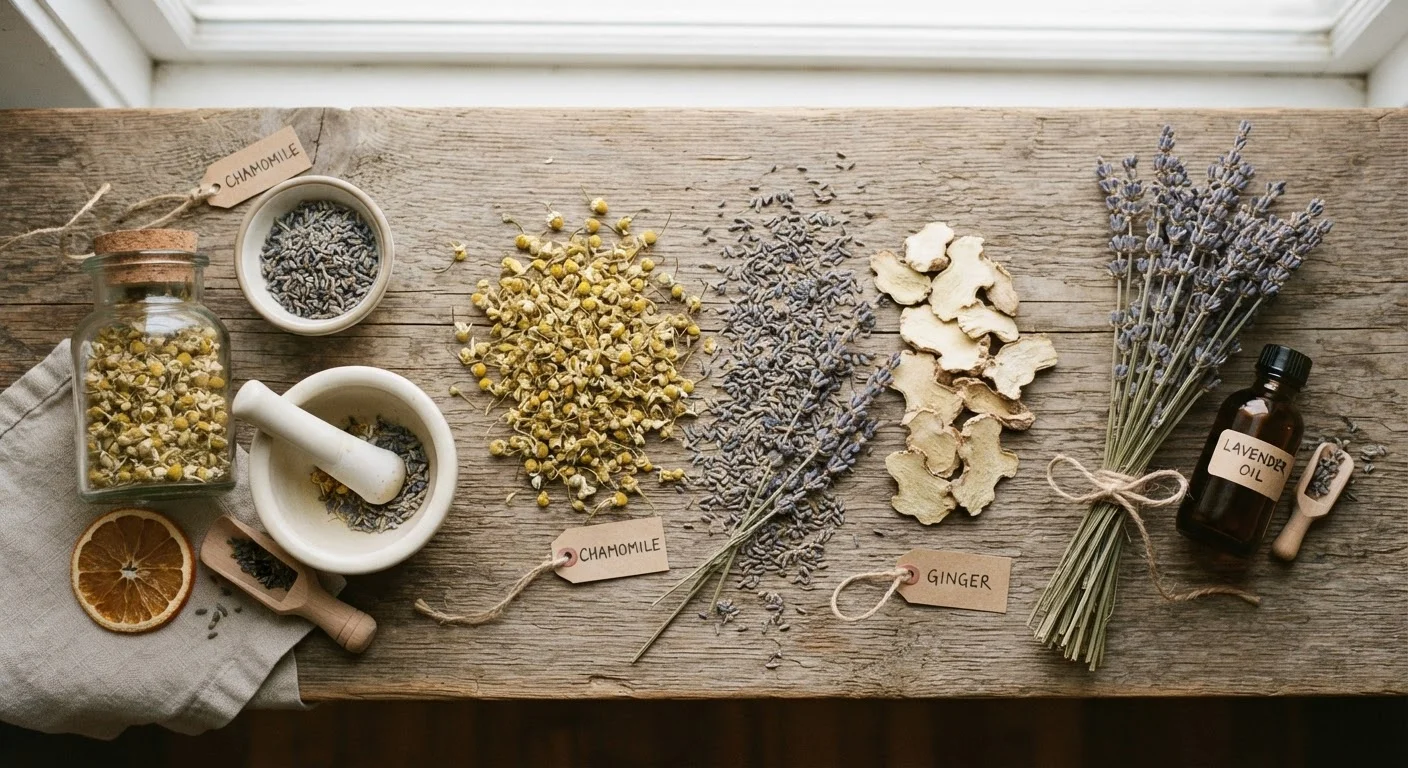
- Chamomile
- Traditionally used as a mild relaxant and digestive soother, chamomile tea has a reasonable safety profile for most adults. Some small studies suggest it may help with mild sleep disruption and digestive discomfort, though evidence remains limited. People with ragweed allergies should use caution, as cross-reactions are possible.
- Ginger
- Among the better-studied culinary herbs, ginger has reasonable evidence supporting its use for nausea relief — including motion sickness and pregnancy-related nausea, though pregnant individuals should consult a provider before using it medicinally. It is also associated with digestive support, relevant to readers exploring the digestive health hub.
- Echinacea
- Widely used at the first sign of a cold, echinacea has a mixed but active research record. Some analyses suggest it may modestly reduce cold duration; others show minimal effect. It is generally well tolerated short-term in healthy adults, but evidence does not support it as a cure or prevention guarantee.
- Valerian
- Often promoted for sleep, valerian root has been studied for insomnia with inconsistent results. Effects, when present, tend to be mild. Long-term safety data is limited, so short-term, occasional use is typically the framing found in research.
Note that many herbs are also sold as dietary supplements, subject to the same regulatory and quality concerns as vitamins and minerals.
Safety, Interactions, and Realistic Expectations
The word "natural" is not a synonym for safe. Herbs are biologically active substances — that is precisely why they may have effects. It also means they carry real risk of side effects and interactions.
Herb-Drug Interactions Are Real and Significant
Some interactions between herbs and medications are well-documented and clinically meaningful. St. John's Wort, for instance, is known to reduce the blood levels of several prescription drugs, including certain anticoagulants and antidepressants. Before adding any herb to your routine, disclose it to your doctor or pharmacist — especially if you take any regular medication.
Certain populations face higher risk: people on blood thinners, immunosuppressants, or antidepressants; those with liver or kidney conditions; and anyone who is pregnant, breastfeeding, or managing a chronic illness. Children's responses to herbs are not well studied, and pediatric use warrants particular caution and professional oversight.
It is also worth knowing that some herbs are frequently confused with one another, with real consequences for safety. Identification matters, especially for anyone purchasing bulk dried herbs or foraging.
Finally, set expectations carefully. Herbs are not fast-acting pharmaceutical drugs. Effects, when they occur, are often subtle and build over consistent use. If a product promises dramatic or rapid results, that is a red flag rather than a selling point.
How to Start Thoughtfully
A deliberate, unhurried approach serves beginners well. Start with one herb you have a genuine reason to explore — not simply because it is trending. Learn what traditional use actually involves, what the evidence currently supports, and what the known cautions are.
Begin With One Herb, Not a Stack
Starting with a single, well-documented herb makes it much easier to notice any effects — or side effects — and attribute them accurately. Combining multiple herbs from the outset makes it nearly impossible to know what is doing what. Give yourself several weeks before drawing conclusions, and always loop in your healthcare provider.
Choose a reliable form: standardized herbal teas from reputable sources, or supplements that carry third-party quality verification. Keep a simple log of what you take and any changes you notice — this is useful information to share with your doctor.
Herbal wellness pairs well with other evidence-informed self-care habits. Readers interested in the mental wellness dimension may find value in starting a mindfulness practice, which complements a grounded, whole-person approach to wellbeing.
Transparency with your healthcare provider is non-negotiable. Tell them what you are using and why. This protects you from hidden interactions and keeps your care team fully informed — which is always in your best interest.
This article is for informational purposes only and does not constitute medical advice. Always consult a qualified healthcare professional before starting any herbal supplement, especially if you have a health condition, take medications, or are pregnant or breastfeeding.