
Oatmeal Baths, Aloe, and Cool Water: Approaches to Calming Irritated Skin at Home

Key Takeaways
- Cool water, colloidal oatmeal, and aloe vera gel are among the most commonly used at-home approaches for mild skin irritation.
- These methods are generally appropriate for minor issues like sunburn, dry skin, or mild contact rashes — not serious skin conditions.
- Colloidal oatmeal has more clinical backing than many other home remedies for skin soothing.
- Pure aloe vera gel may help with surface cooling and moisture, though evidence for deeper healing is limited.
- Persistent, spreading, or painful skin symptoms warrant professional medical evaluation rather than home care alone.
What you will need
Why Skin Gets Irritated and When Home Care Makes Sense
Skin irritation is one of the most common everyday complaints. It can stem from sun exposure, dry air, contact with a plant or cleaning product, or simply skin that runs on the sensitive side. In mild cases — redness, itchiness, tightness, or minor inflammation without blistering or open wounds — simple home approaches have been used for generations to provide temporary comfort while the skin heals on its own.
It's worth being clear about scope: the strategies below are for mild, self-limiting irritation in otherwise healthy adults. They are not treatments for eczema, psoriasis, allergic reactions that affect breathing, infected skin, or any condition a healthcare provider has diagnosed. If you're unsure what's causing your skin symptoms, or if symptoms are worsening, see a qualified healthcare professional. For a broader look at when home remedies are appropriate versus when professional care is the right call, see this overview on home remedy limits.
What you will need
What You'll Need
These approaches use items that are widely available and low in cost. You don't need all of them — pick what makes sense for the type of irritation you're dealing with.
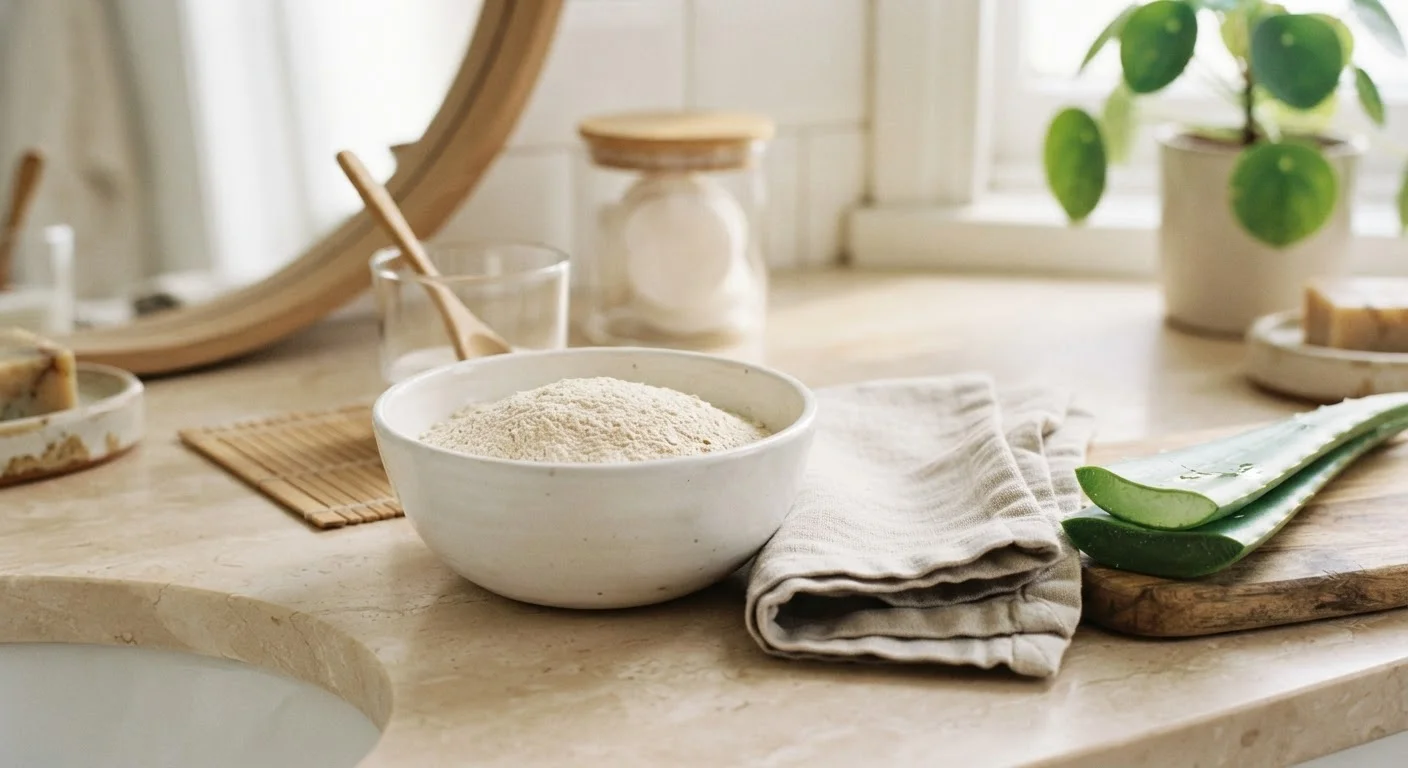
Colloidal oatmeal or plain rolled oats
Used in a lukewarm bath to soothe itchy, dry, or mildly irritated skin through its documented skin-protectant properties.
Blender or food processor
Needed to grind plain rolled oats into a fine powder if pre-made colloidal oatmeal is not available.
Pure aloe vera gel
Applied topically to cool and add surface moisture to sunburned or dry irritated skin.
Clean soft cloth or washcloth
Used to apply a cool compress to the affected skin area.
Unscented, gentle moisturizer
Applied after bathing to help seal moisture into the skin and support barrier recovery.
Step-by-Step: Soothing Irritated Skin at Home
Work through these steps in order. Not every step applies to every situation — for example, if you're dealing with dry winter skin rather than sunburn, the cool rinse step is less relevant than the moisturizing steps.
Apply a cool compress to the affected area
Soak a clean, soft cloth in cool (not ice-cold) water. Wring it out lightly and hold it gently against the irritated skin for 10 to 15 minutes. This can help reduce surface heat and calm the initial sensation of itching or burning. Repeat as needed, using a freshly cooled cloth each time.
Prepare a colloidal oatmeal bath
If using plain rolled oats, blend them in a blender or food processor until they become a very fine, uniform powder. Test it by stirring a spoonful into a glass of water — it should turn the water milky and not settle immediately. Add roughly one cup of this powder (or a pre-made colloidal oatmeal product) to a bathtub filled with lukewarm water. Stir to distribute evenly before entering.
Soak for 15 to 20 minutes
Ease into the oatmeal bath and allow your skin to soak for about 15 to 20 minutes. Gently swish the water over irritated areas. Avoid scrubbing or using soap during the soak, as this can undo the benefit of the oatmeal and further strip the skin barrier.
Pat skin dry gently
After soaking, gently pat (do not rub) your skin dry with a soft, clean towel. Rubbing can cause friction that aggravates already-sensitive skin. Leave skin slightly damp — this helps the next step work more effectively.
Apply aloe vera gel or a gentle moisturizer
While skin is still slightly damp, apply a thin layer of pure aloe vera gel or an unscented, gentle moisturizer to the affected areas. Aloe gel is particularly suited to sunburned or heat-irritated skin due to its cooling sensation. For dry or flaky skin, an unscented moisturizing lotion or cream may be more appropriate. Allow it to absorb naturally — do not rinse off.
Monitor your skin over the following 24 to 48 hours
Mild irritation from sunburn, dry air, or minor contact typically begins to improve within one to two days with consistent gentle care. Continue the cool compress and moisturizing routine as needed. If irritation is spreading, becoming more painful, developing blisters, or showing signs of infection — such as increased warmth, swelling, or discharge — stop home treatment and contact a healthcare provider promptly.
Fragrance-Free Is Usually Better
When skin is already irritated, added fragrances — even those labeled 'natural' — are a common trigger for further reactions. Stick to unscented, minimal-ingredient products during recovery. This applies to soaps, moisturizers, laundry detergents, and anything else that contacts the affected area.
A Closer Look at the Three Main Approaches
Cool Water
Cool (not cold or icy) water is often the first and simplest step for heat-related or contact irritation. It helps bring surface skin temperature down without the shock of ice, which can cause its own skin stress. A damp cloth held gently against irritated skin, or a brief cool rinse, is generally well-tolerated. Avoid hot showers during active irritation — heat tends to worsen itching and redness.
Colloidal Oatmeal
Colloidal oatmeal is finely milled oat that is dispersed in water rather than dissolving into it. Unlike eating oatmeal, this form is applied topically. It contains compounds called avenanthramides, which have demonstrated anti-inflammatory and anti-itch properties in laboratory and clinical research. The U.S. Food and Drug Administration (FDA) has recognized colloidal oatmeal as a skin protectant ingredient in over-the-counter products. An oatmeal bath — using finely ground plain oats blended to a fine powder and added to a lukewarm bath — has a long history of use for dry, itchy, or irritated skin and is considered low-risk for most people.
Aloe Vera Gel
Aloe vera gel, taken directly from the leaf or purchased as a pure gel product, has a cooling, moisture-forming quality that many people find soothing on sunburned or dry skin. Some research suggests it may support skin barrier function and has mild anti-inflammatory properties, though results across studies vary and the evidence is considered preliminary rather than conclusive. For a side-by-side look at aloe and another popular skin remedy, see aloe vera vs. coconut oil for minor skin irritation.
This article is one piece of a larger collection on natural symptom relief. For a broader introduction to how these approaches work and their appropriate place in everyday health, visit our grounded introduction to natural symptom relief.
This article is for general informational purposes only and is not a substitute for professional medical advice, diagnosis, or treatment. Always consult a qualified healthcare provider for personal health concerns.