

Medical Guidance Editorial Team

Health Screenings Adults Should Know About at Every Decade of Life
Preventive screenings change as you age. This overview covers the key checks recommended a…

How to Describe Your Symptoms Clearly to a Doctor
Vague descriptions can slow diagnosis. Here's how to articulate what you're experiencing i…

Making the Most of a Short Doctor's Appointment
GP appointments are often brief. These practical steps help you communicate clearly and le…

Mental Health and Primary Care: What to Expect When You Bring It Up with Your GP
Many people hesitate to raise mental health concerns with a GP. Here's what typically happ…

Myths About Seeing a Doctor That Stop People Getting the Help They Need
From 'I don't want to waste the doctor's time' to 'It'll clear up on its own' — unpacking …

Navigating the Healthcare System: A First-Timer's Orientation
If the healthcare system feels confusing, you're not alone. This guide explains how it's s…

Red-Flag Symptoms That Should Never Be Ignored
Certain symptoms signal serious conditions requiring prompt medical attention. Here's what…

Second Opinions: What They Are, When They Help, and How to Ask for One
Seeking a second medical opinion is a normal part of patient care. Learn when it's worth p…

Telehealth vs In-Person Consultation: What Changes and What Doesn't
Both telehealth and face-to-face appointments have distinct strengths. Here's an honest lo…

The Case For and Against Routine Check-Ups When You Feel Fine
Regular check-ups offer genuine benefits, but they also carry trade-offs. A balanced look …

Understanding Referrals: How and Why Your GP Sends You to a Specialist
A referral can feel uncertain. This explainer breaks down how the referral process works a…
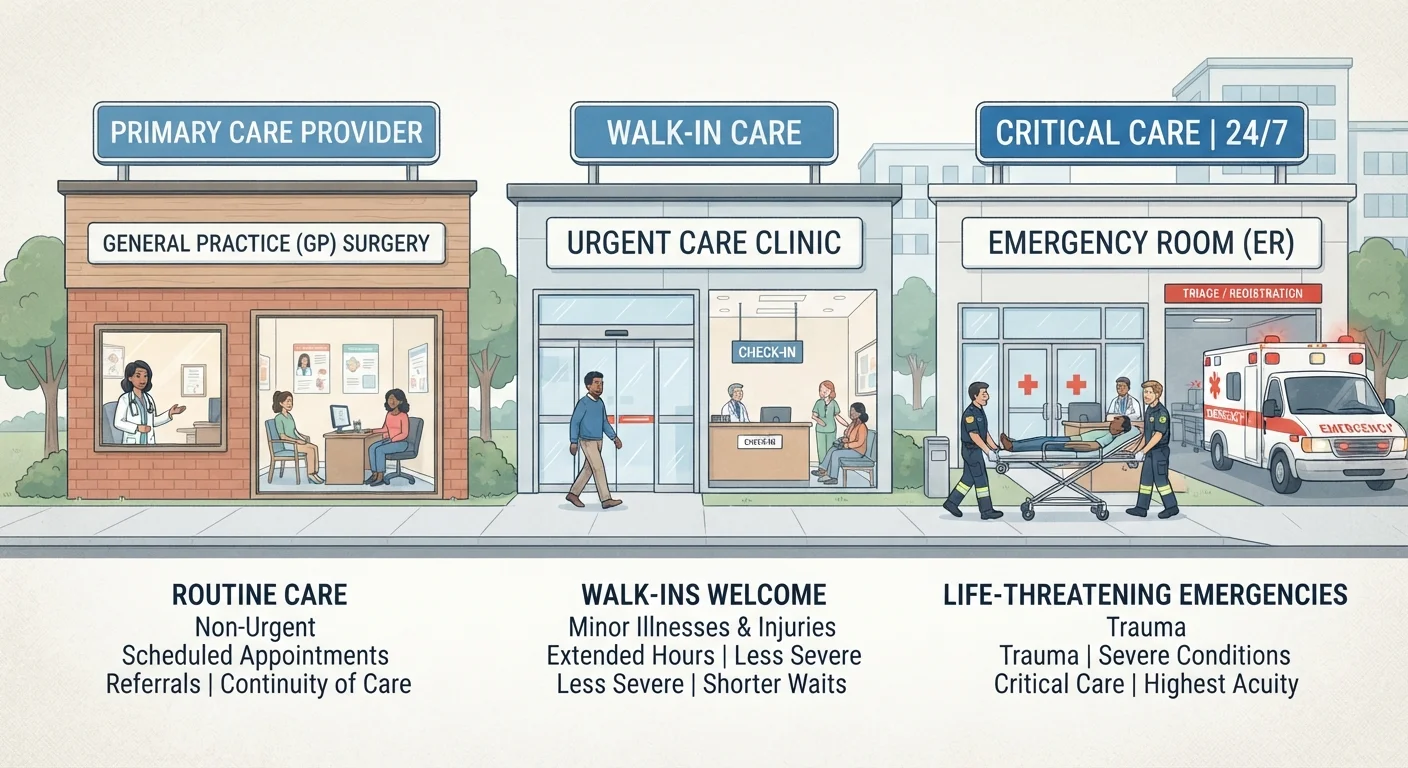
Urgent Care, Emergency Room, or GP: Matching Your Situation to the Right Setting
Not every health concern belongs in an emergency room. Understand which care setting suits…
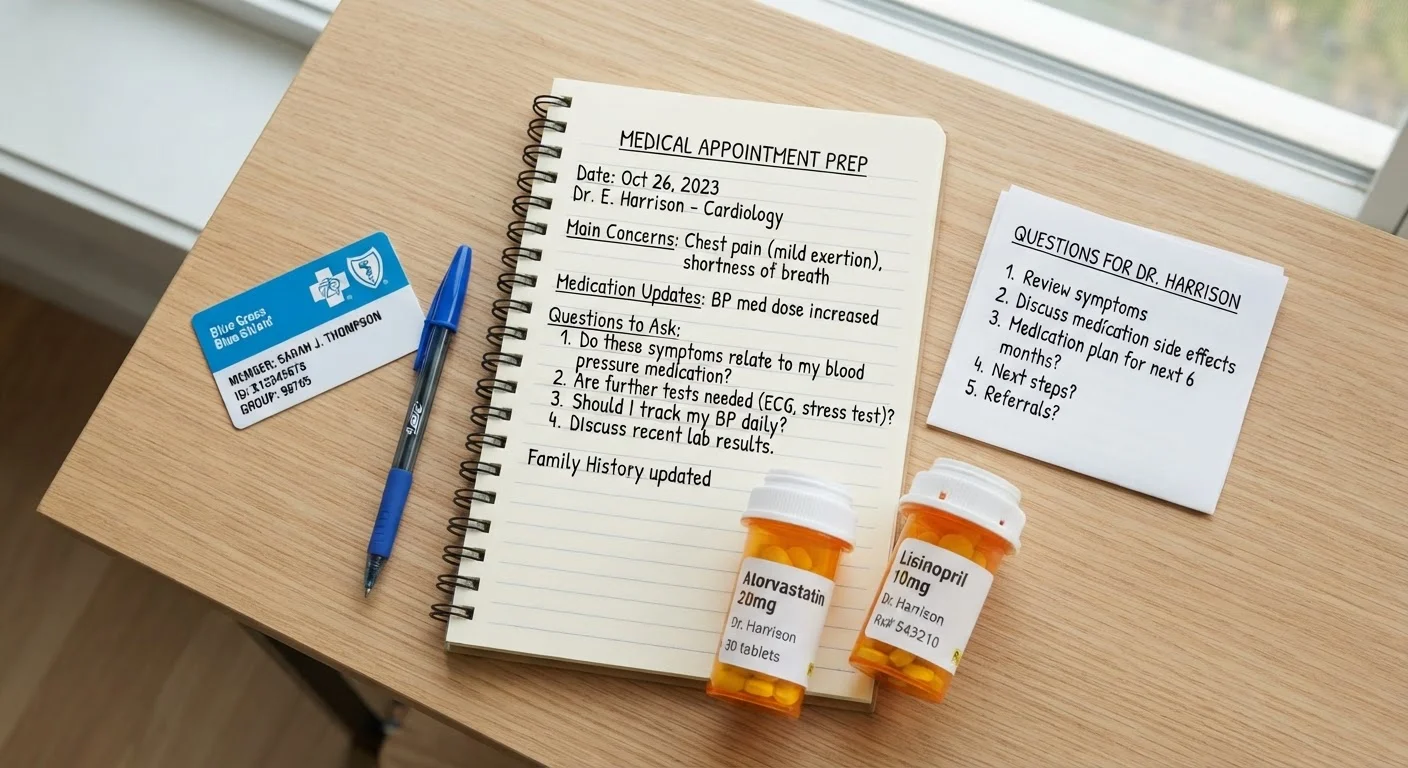
What to Bring and Prepare Before Any Medical Appointment
A practical checklist covering documents, medication details, symptom notes, and questions…

When a Symptom Warrants a Doctor's Visit — and When It Probably Doesn't
Learn how to tell the difference between symptoms that need medical attention and those th…

Why People Leave Doctor's Appointments Feeling Unheard — and How to Change That
Common communication patterns that leave patients without answers, and what to do differen…

Your Complete Guide to Seeing a Doctor: From Booking to Follow-Up
Everything adults need to know about consulting a doctor — choosing the right type, prepar…

A Practical Guide to Searching for Health Information on the Internet
Step-by-step strategies for finding accurate, relevant health information online and filte…

Data Privacy and Your Health: What to Understand Before Using Online Medical Services
Online health platforms collect sensitive data. Here's what informed consent, data storage…

Evaluating a Virtual Health Consultation Before You Book One
Key questions to ask about credentials, privacy, and clinical scope when considering an on…

Health Influencers vs Medical Professionals: Who's Actually Qualified?
Social media health content is everywhere. Learn how to distinguish qualified clinical voi…

How Online Health Forums Shape — and Sometimes Distort — Medical Beliefs
Patient forums can offer comfort and community, but they also spread misinformation. Here'…

Myths About Online Medical Advice That Many People Still Believe
From 'the internet knows best' to 'if it's on a health site it must be accurate' — common …

Online Health Advice: A Complete Overview for the Informed Reader
From evaluating sources to understanding virtual consultations, this guide covers everythi…

Reading Health Information Online Without Getting Misled
Learn how to identify credible health sources, spot misleading claims, and protect yoursel…

Red Flags in Online Health Articles You Should Know
Certain patterns signal unreliable health content. Here's how to spot exaggerated claims, …

Sources Worth Knowing When You Need Reliable Health Information Online
A curated reference to the types of authoritative health information sources — and what di…

Standards That Reputable Online Health Information Should Meet
From transparency about authorship to evidence sourcing and conflict-of-interest disclosur…

Telehealth Platforms, NHS Resources, and Private Services: Navigating Your Options
An overview of the different digital healthcare pathways available, and how to understand …

Telemedicine vs In-Person Visits: Understanding the Difference
A clear breakdown of when virtual consultations are appropriate and when an in-person visi…

The Limits of Symptom Checkers and AI Health Tools
Digital symptom checkers are widely used, but they have real limitations. Know what they c…

What Makes a Health Website Trustworthy
Explore the key markers of reliable health websites, from editorial standards to author cr…

Why 'Peer-Reviewed' Matters When You're Searching for Health Evidence
Understand what peer review means, how to find peer-reviewed studies, and why not all publ…
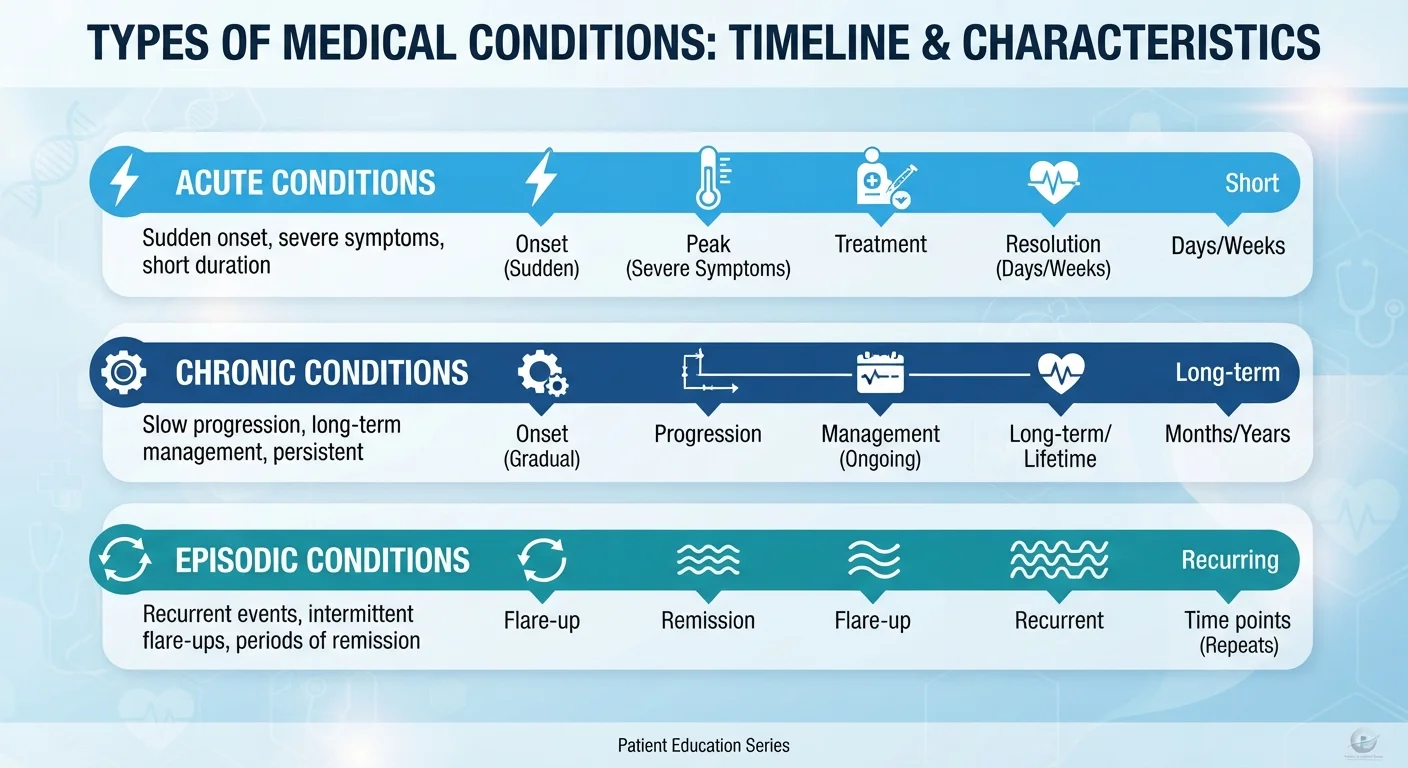
Acute, Chronic, and Episodic: How Time Shapes a Diagnosis
These three words describe how a condition behaves over time — and each one changes how it…

Biopsy, Culture, and Pathology: What Happens After the Sample Is Taken
Once a tissue or fluid sample leaves your body, where does it go? This article traces the …

Clinical Staging and Grading — Not the Same Thing
Staging and grading are used to describe conditions — especially cancers — but they measur…

Comorbidity and Multimorbidity: Living With More Than One Diagnosis
Many adults carry more than one diagnosis. Learn what comorbidity means and how overlappin…

Differential Diagnosis: Why Your Doctor Considers Multiple Conditions at Once
Doctors rarely jump to one answer. Understand how differential diagnosis works and why rul…

False Positives and False Negatives in Medical Testing
No test is perfect. Understand why false results happen, what they mean for you, and when …

Imaging Reports Explained: MRI, CT, X-Ray, and Ultrasound
What does 'unremarkable' mean on an MRI? Learn how to read the language used in common rad…

Medical Jargon Decoded: A Plain-Language Glossary for Patients
From 'idiopathic' to 'prognosis', this reference breaks down the most common medical terms…

Misreading Symptoms: Where Self-Diagnosis Goes Wrong
Online symptom searches can mislead as often as they inform. Here's why symptom overlap ma…

Preparing for a Diagnostic Appointment
Use this checklist to gather your symptom history, medication list, and questions before m…

Questions Worth Asking After Any New Diagnosis
A new diagnosis can be overwhelming. These key questions help you leave the clinic with a …
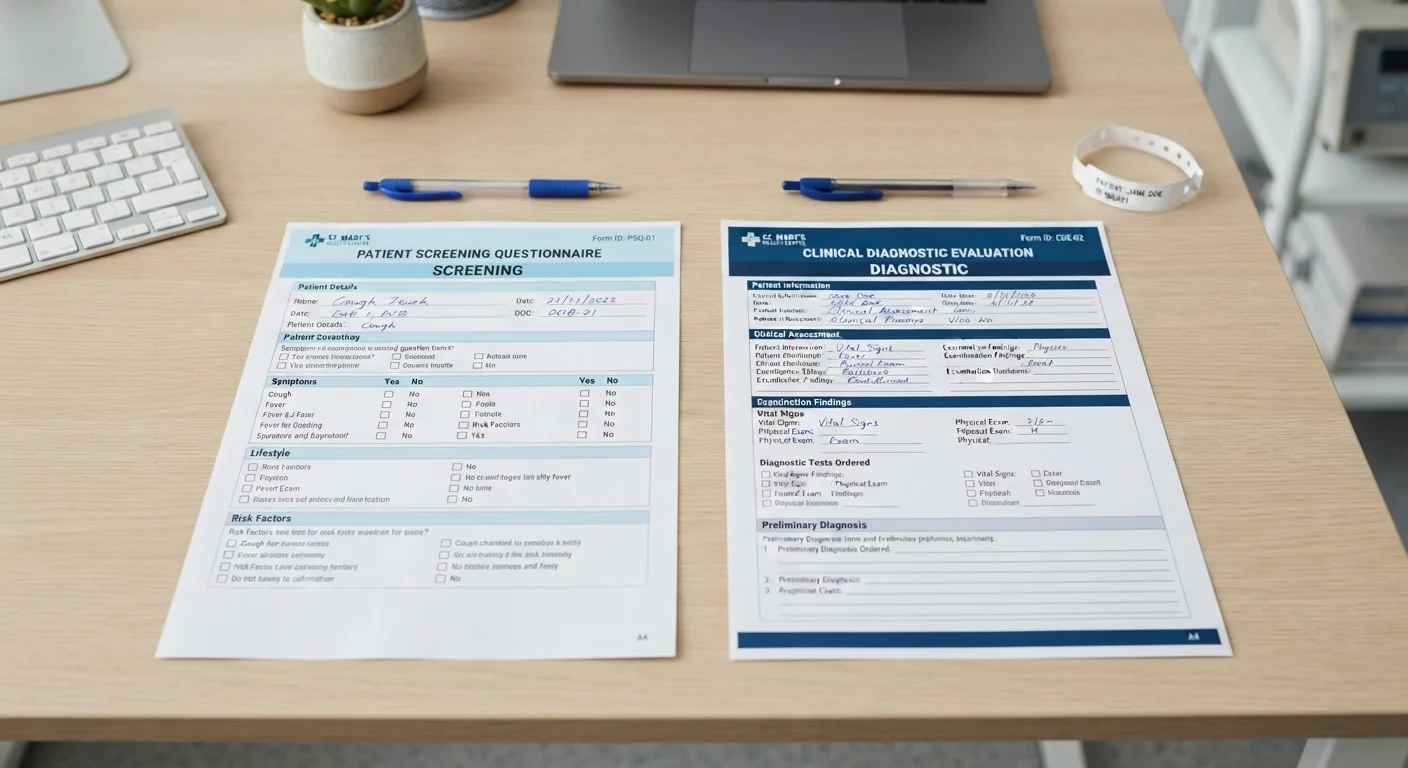
Screening vs. Diagnostic Testing — Two Very Different Things
A screening test and a diagnostic test serve different purposes. Here's what each one mean…

The Language of Lab Reports: Reading Your Blood Work
Lab reports are full of abbreviations and numbers. This guide explains what common blood t…

What a Diagnosis Actually Means — and What It Doesn't
A diagnosis is a label, not a verdict. Learn what the diagnostic process involves and how …

When a Test Result Comes Back Abnormal
An abnormal result doesn't always mean serious illness. Learn what reference ranges are, a…

Why Two Doctors Can Reach Different Diagnoses
Diagnostic disagreement is more common than people realise. Explore the reasons behind var…