
Telehealth Platforms, NHS Resources, and Private Services: Navigating Your Options

Key Takeaways
- NHS digital resources are publicly funded, free at point of use, and regulated — always a sound starting point.
- Private telehealth platforms offer faster access but vary considerably in clinical scope, credentials, and data practices.
- No single pathway suits every situation — the right choice depends on urgency, complexity, and your personal circumstances.
- Always verify that any online service is registered with the appropriate regulatory body before sharing personal health data.
- Virtual consultations cannot fully replace in-person physical examinations for certain conditions.
Our Verdict
NHS digital resources remain the most clinically accountable and cost-effective starting point for most adults in the US and UK contexts, while private telehealth platforms fill genuine gaps around access speed and specialist availability. Neither replaces in-person care when a physical examination is clinically necessary.
| Best for | Recommended |
|---|---|
| Those who want regulated, free-at-point-of-use digital guidance | NHS Digital Resources |
| Those needing fast access to a clinician outside standard hours | Private Telehealth Platforms |
| Those managing ongoing or complex long-term conditions | In-Person or Hybrid Private Services |
| Those wanting broad general health information and triage guidance | NHS Digital Resources |
What Each Pathway Actually Offers
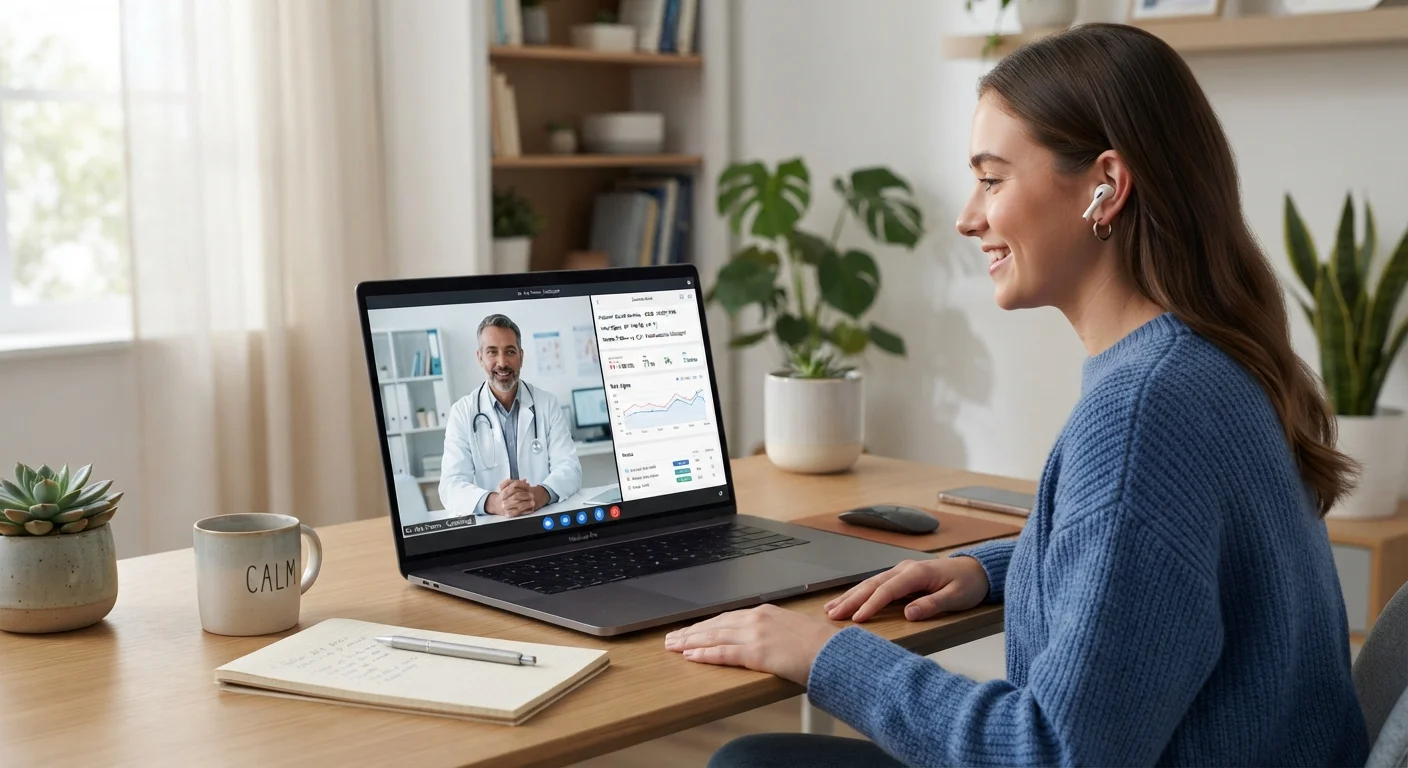
Digital health options broadly divide into three categories: publicly funded NHS resources, regulated private telehealth platforms, and unregulated or lightly regulated online health services. Understanding what each is designed to do — and where each one stops — is the foundation of using them wisely.
NHS digital resources include tools such as NHS 111 online, the NHS App, and condition-specific guidance on NHS.uk. These are designed primarily for triage (deciding how urgently care is needed), self-management of minor conditions, and administrative functions like repeat prescriptions or appointment booking. They are backed by clinical governance frameworks and are free at point of use.
Private telehealth platforms are commercial services that connect patients with registered clinicians via video, phone, or chat. They typically offer faster appointment access than NHS routes and may cover a wider range of specialties. However, their quality, pricing, and scope vary considerably. Before using any, it is worth reviewing their credentials — see our guide to evaluating a virtual health consultation for a structured set of questions to ask.
Private online health services — which may include symptom checkers, AI-driven triage tools, or subscription wellness platforms — occupy a more ambiguous space. Some are regulated medical devices; others are not. Distinguishing between the two matters, particularly when making decisions about symptoms.
Comparing the Options: Key Criteria
The table below sets out how these three pathways compare across criteria that matter most when choosing where to seek digital health support.
| NHS Digital Resources | Private Telehealth Platforms | Unregulated Online Services | |
|---|---|---|---|
| Cost | Free at point of use | Fee per consultation or subscription | Free to paid; variable |
| Speed of access | Variable; may involve waits | Often same-day or next-day | Immediate, automated |
| Regulatory oversight | CQC / NHS governance | CQC-registered (if legitimate) | Minimal or none |
| Clinician credentials | GMC/NMC-registered professionals | Should be GMC/NMC-registered | Not guaranteed |
| Clinical scope | Triage, self-care, referrals | Broad, including specialist access | Limited; often symptom-checking only |
| Data privacy accountability | UK GDPR; NHS data framework | UK GDPR if UK-based; verify | Often unclear; check policies |
Cost and speed are often the first factors people weigh, but regulatory oversight and clinical accountability deserve equal attention. A platform that provides rapid access to a clinician who is not registered with a recognized medical body, or that stores your data in ways you haven't consented to, carries real risks. Our article on data privacy and online medical services explains what to look for in a platform's privacy policy before you share any health information.
When Virtual Care Has Limits
Telehealth — whether NHS or private — works well for consultations that don't require a physical examination: discussing test results, managing known conditions, obtaining referrals, or getting guidance on minor symptoms. However, it is not an equivalent substitute for in-person assessment when a clinician needs to examine you directly.
Know When to Escalate
If a symptom feels urgent — chest pain, difficulty breathing, sudden neurological changes — do not rely on a telehealth platform or online tool. Call emergency services or go directly to an emergency department. Digital health resources are designed to support non-emergency care pathways, not to replace emergency response.
Conditions that involve ambiguous or escalating symptoms, require diagnostic imaging, or involve special populations such as children, pregnant individuals, or older adults with complex comorbidities, generally warrant at minimum a hybrid approach — beginning digitally but transitioning to in-person care as needed. For a fuller comparison of what changes and what doesn't in a virtual setting, see our piece on telehealth vs in-person consultation.
For those managing long-term health conditions, digital tools can be valuable for monitoring and routine follow-up, but should be embedded within a broader care plan agreed with a qualified clinician. Further context on navigating ongoing conditions is available through our chronic conditions hub.
If you are new to navigating health services digitally, the complete overview of online health advice offers a useful orientation before you commit to any particular platform or pathway.
This article is for general informational purposes only and does not constitute medical advice. Always consult a qualified healthcare professional for personal medical concerns, symptoms, or before making changes to your care.