

Fitness & Movement Editorial Team
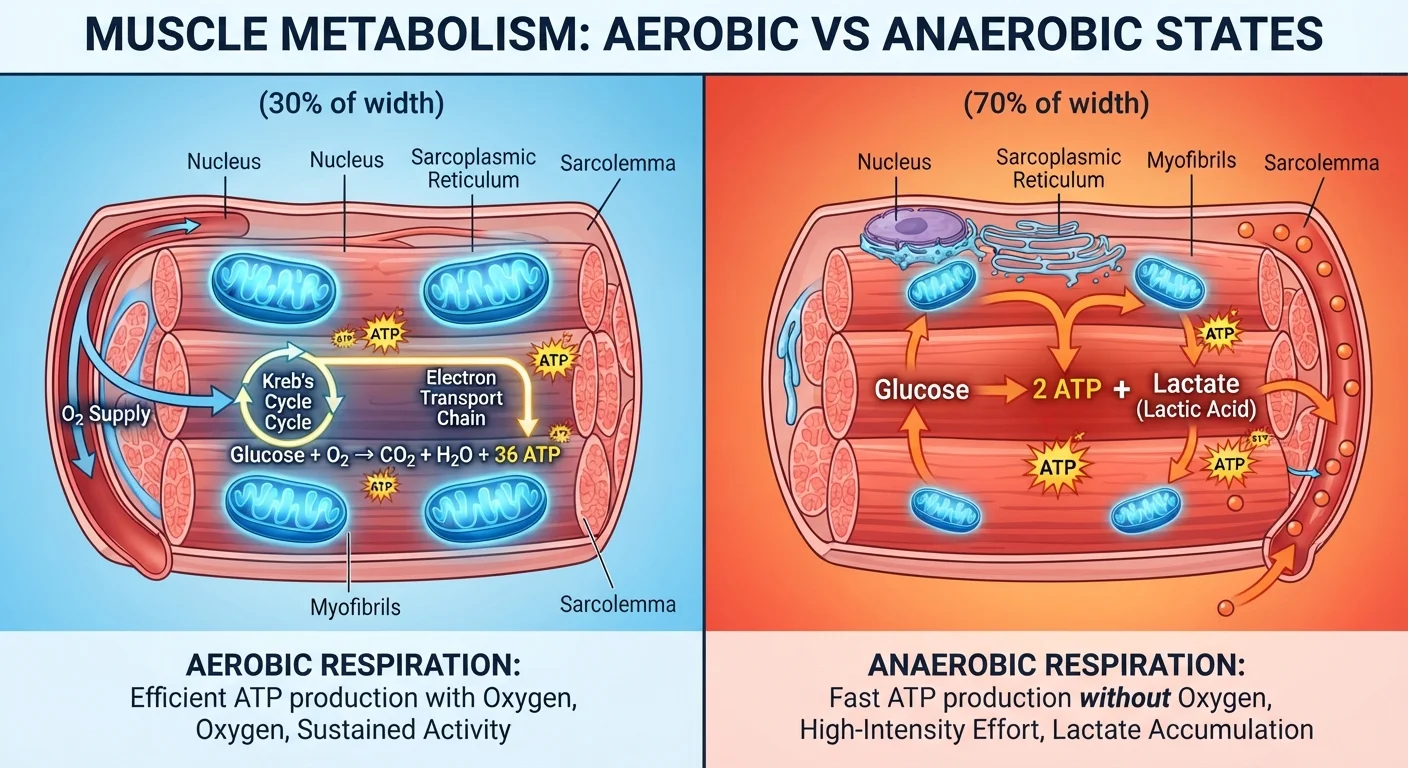
Aerobic vs. Anaerobic Exercise: What Changes at the Cellular Level
Aerobic and anaerobic exercise tap different energy systems in your body. This explainer b…

Building Your First Weekly Exercise Schedule
A step-by-step walkthrough for structuring a beginner-friendly weekly workout plan that ba…

Cardio vs. Strength Training: Which One Should You Prioritise First?
Neither cardio nor strength training is universally 'better.' Here's how each one works an…

Common Reasons Beginners Quit Exercise in the First Month
Understanding the patterns that derail early fitness attempts can help you sidestep them. …

Effort, Intensity, and the Talk Test: Gauging Your Own Exertion
Knowing how hard you're working is a skill. Learn practical, equipment-free methods for me…

Exercise Myths That Discourage People Before They Start
From 'no pain no gain' to 'you must go every day,' several widely held beliefs about exerc…
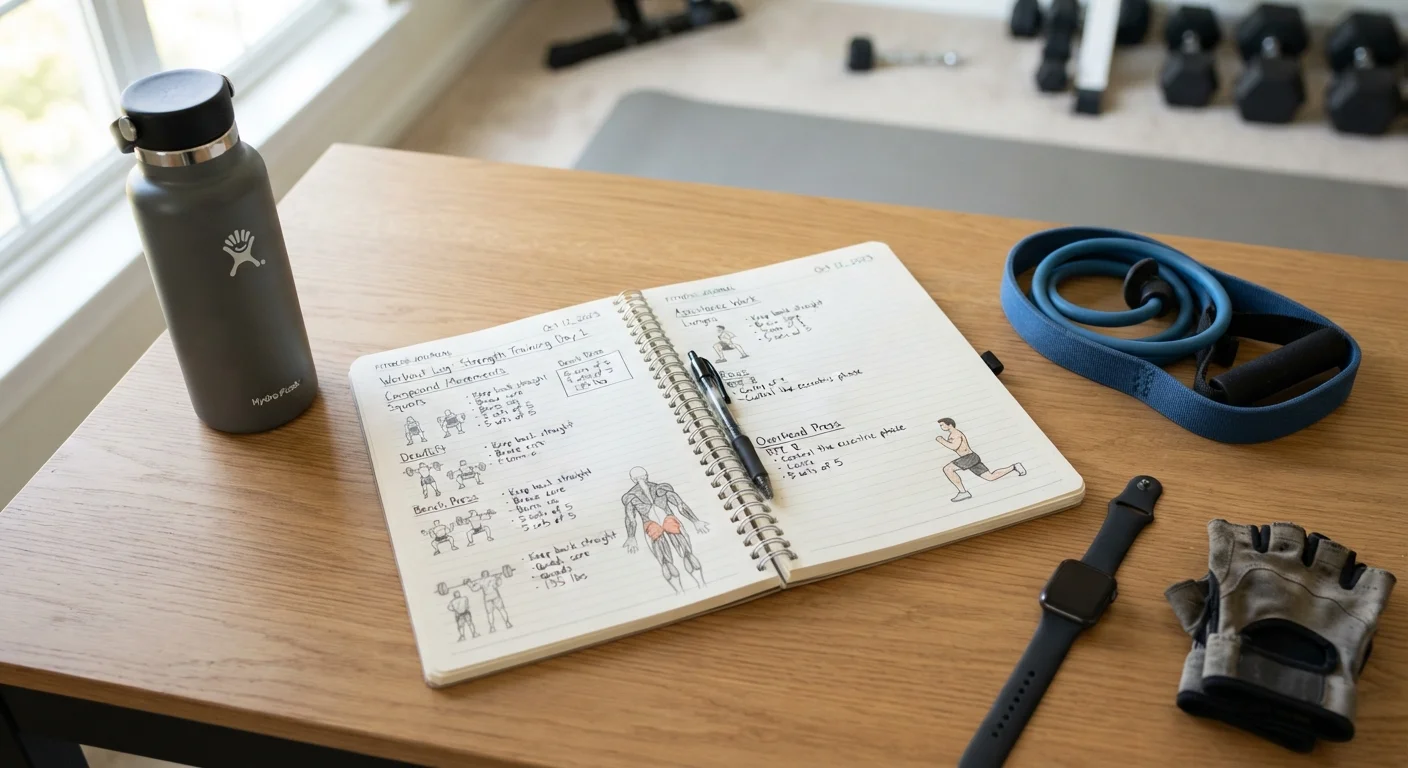
Exercise Science Terms Every Beginner Encounters
From aerobic to VO2 max, a clear glossary of the fitness and exercise terms you'll meet mo…

Low-Impact vs. High-Impact Exercise: Understanding the Difference
Low-impact and high-impact exercise aren't about intensity—they're about joint stress. Fin…

Progressive Overload: The Core Principle Behind Every Fitness Goal
Progressive overload is the foundation of long-term fitness improvement. This article expl…
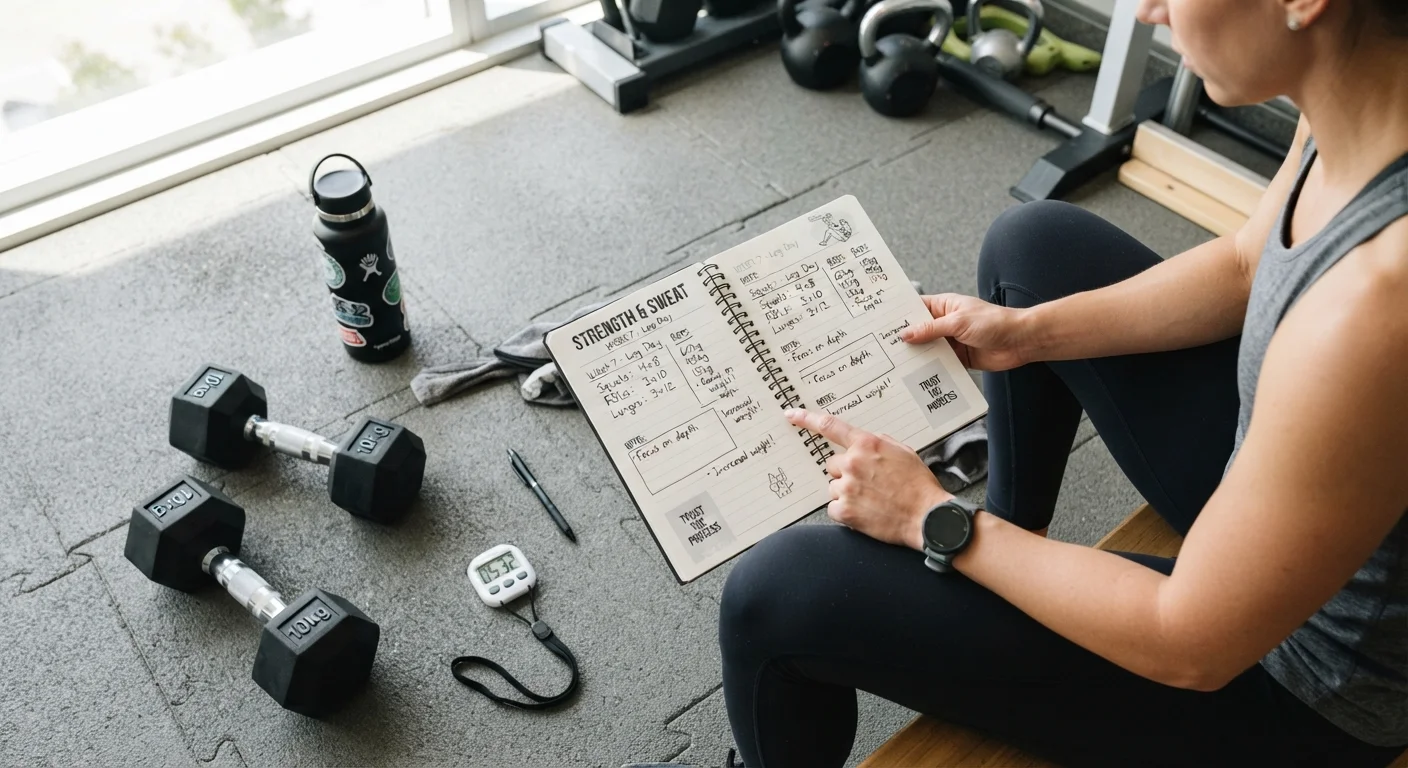
Reps, Sets, and Rest Periods: A Plain-Language Breakdown
Confused by gym terminology? This guide unpacks reps, sets, and rest intervals so you can …

Starting a Fitness Routine After a Long Break
Returning to exercise after months or years away requires a different approach than starti…

The Beginner's Complete Introduction to Bodyweight Training
Bodyweight training requires no equipment and scales to almost any fitness level. This gui…
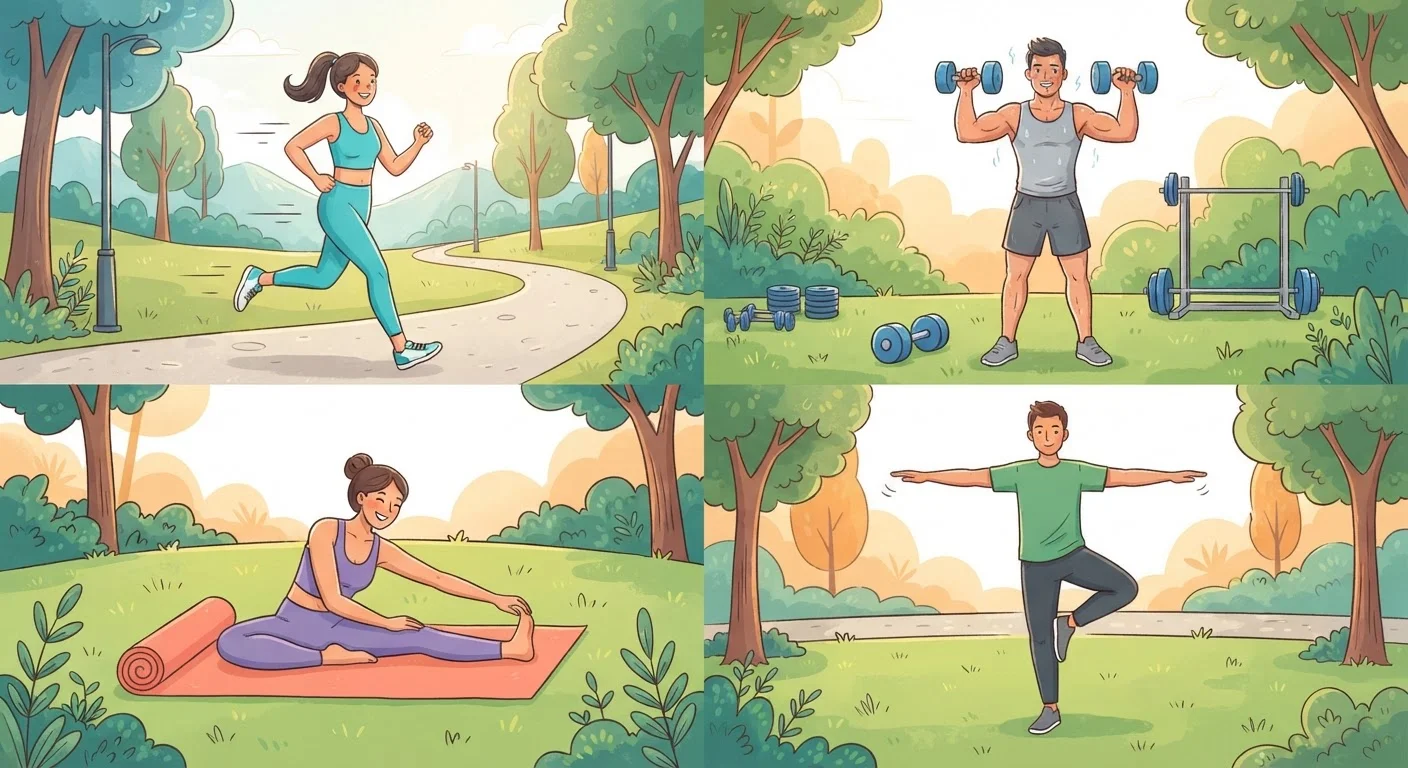
The Four Pillars of Physical Fitness, Explained Simply
Cardiovascular endurance, strength, flexibility, and balance—learn what each pillar means …

The Real Role of Warm-Ups and Cool-Downs in Exercise
Skipping warm-ups and cool-downs is one of the most common beginner oversights. Learn what…

What 'Exercise' Actually Means and Why the Definition Matters
Exercise, physical activity, and movement aren't the same thing. Understanding the differe…

Why Rest Days Are a Feature of Fitness, Not a Flaw
Many beginners think more exercise always means faster progress. Here's the physiology beh…
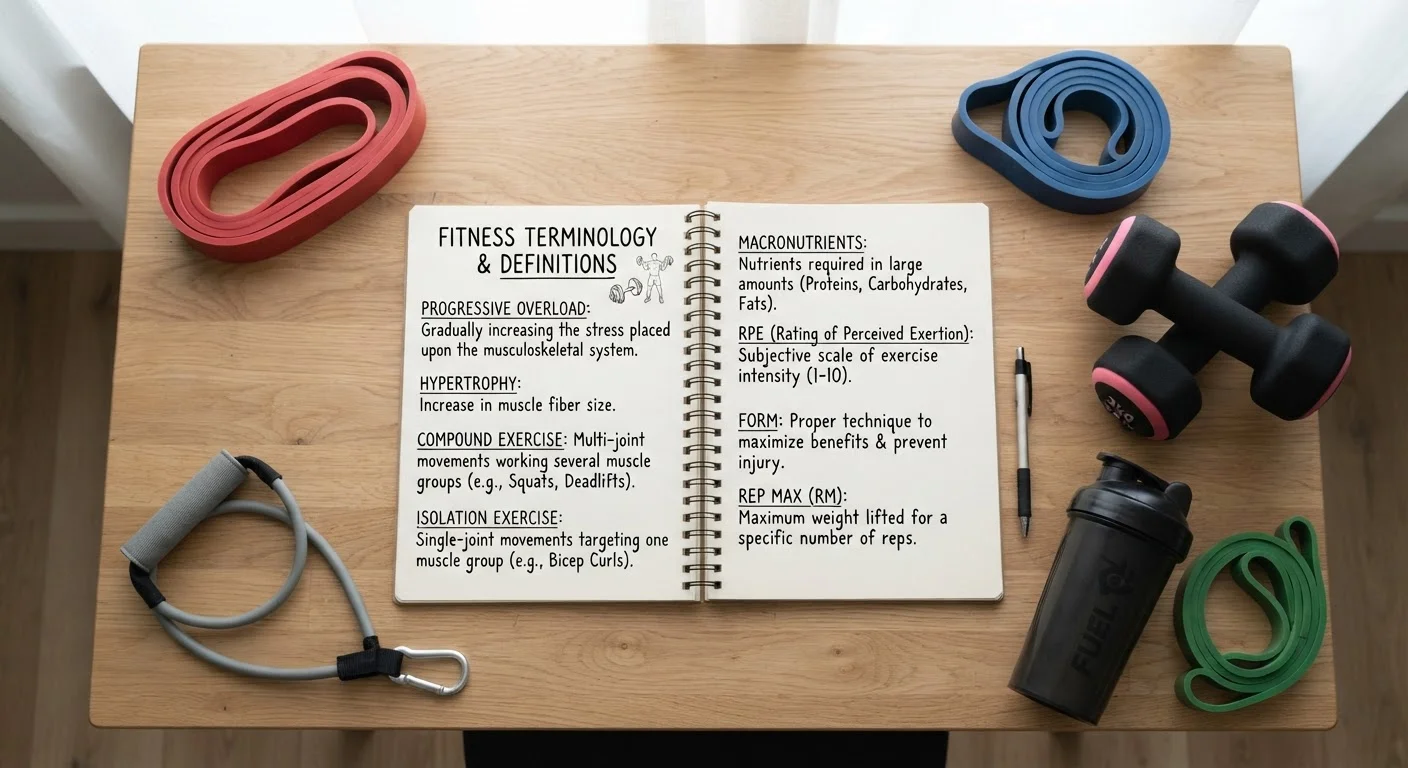
A Practical Glossary of Strength and Flexibility Terms
Reps, sets, ROM, isometric, eccentric — a clear reference guide to the terminology used in…

Before You Start a New Strength Programme: A Readiness Checklist
Use this checklist to assess your physical readiness, equipment needs, and recovery habits…

Bodyweight Training vs Free Weights: What the Evidence Says
Neither approach is universally superior. Compare the benefits and limitations of bodyweig…

Building a Weekly Strength Routine Around Your Real Schedule
Learn how to structure resistance training sessions across the week, balancing muscle grou…

Common Reasons Your Flexibility Isn't Improving — and What to Try Instead
Stretching regularly but still feeling stiff? Explore the common errors that stall flexibi…

Eight Movement Patterns That Form the Foundation of Functional Strength
Push, pull, hinge, squat — most strength training builds on a small set of core movement p…

How Rest and Recovery Shape Your Strength Gains
Training breaks down muscle — recovery is where adaptation happens. Understand the role of…

Progressive Overload Explained: The Engine Behind Getting Stronger
Progressive overload is the foundational principle of strength training. Here's what it me…

Resistance Bands: What They Can and Can't Do for Strength and Flexibility
Resistance bands are versatile but not limitless. A balanced look at their genuine advanta…

Static vs Dynamic Stretching: Choosing the Right Approach for Your Goals
Static and dynamic stretching serve different purposes. Understand how each works and when…

Strength Training After 40: What Changes and What Stays the Same
Muscle physiology shifts with age, but the fundamentals of strength training remain effect…

Strength Training for Adults Who Have Never Lifted Before
New to resistance training? This beginner-friendly guide covers the core principles, safe …

Strength and Flexibility Training: A Complete Overview
From fundamental principles to recovery and progression, this guide covers everything adul…

Stretching Myths That Are Holding Your Progress Back
From 'stretching prevents injury' to 'you need to hold for 60 seconds' — common stretching…

What Muscle Strength Actually Means (and Why It's Not Just About Size)
Strength isn't only about big muscles. Learn the science behind muscular strength, how it'…

Why Flexibility Isn't the Same as Mobility — and Why Both Matter
Flexibility and mobility are often confused. This explainer breaks down the key difference…

Active Commuting: Walking and Cycling to Work as a Health Strategy
The health implications of choosing active transport, what the evidence shows, and practic…

Active Living Myths That Keep People Stuck on the Couch
From 'exercise cancels out sitting' to '10,000 steps is the magic number' — common movemen…

Activity Trackers and Step Counts: What They Can and Cannot Tell You
Understanding what wearable device data genuinely reflects about your movement levels — an…

Building a More Active Day: A Room-by-Room Approach
A practical audit of where sedentary time accumulates at home and at work, with movement i…

Daily Movement Habits That Support Long-Term Musculoskeletal Health
Small, consistent movement patterns throughout the day that help maintain joint mobility, …

Effort Without a Gym: How Incidental Exercise Adds Up Over a Lifetime
A comprehensive look at how small, unplanned movements accumulate into meaningful health b…

Low-Impact Ways to Stay Active With Joint Pain or Mobility Limits
An overview of gentle everyday movement options for adults managing joint discomfort, with…

Movement Snacks: Fitting Short Activity Bursts Into a Busy Day
Learn how brief, frequent movement breaks throughout the day can reduce sedentary time and…
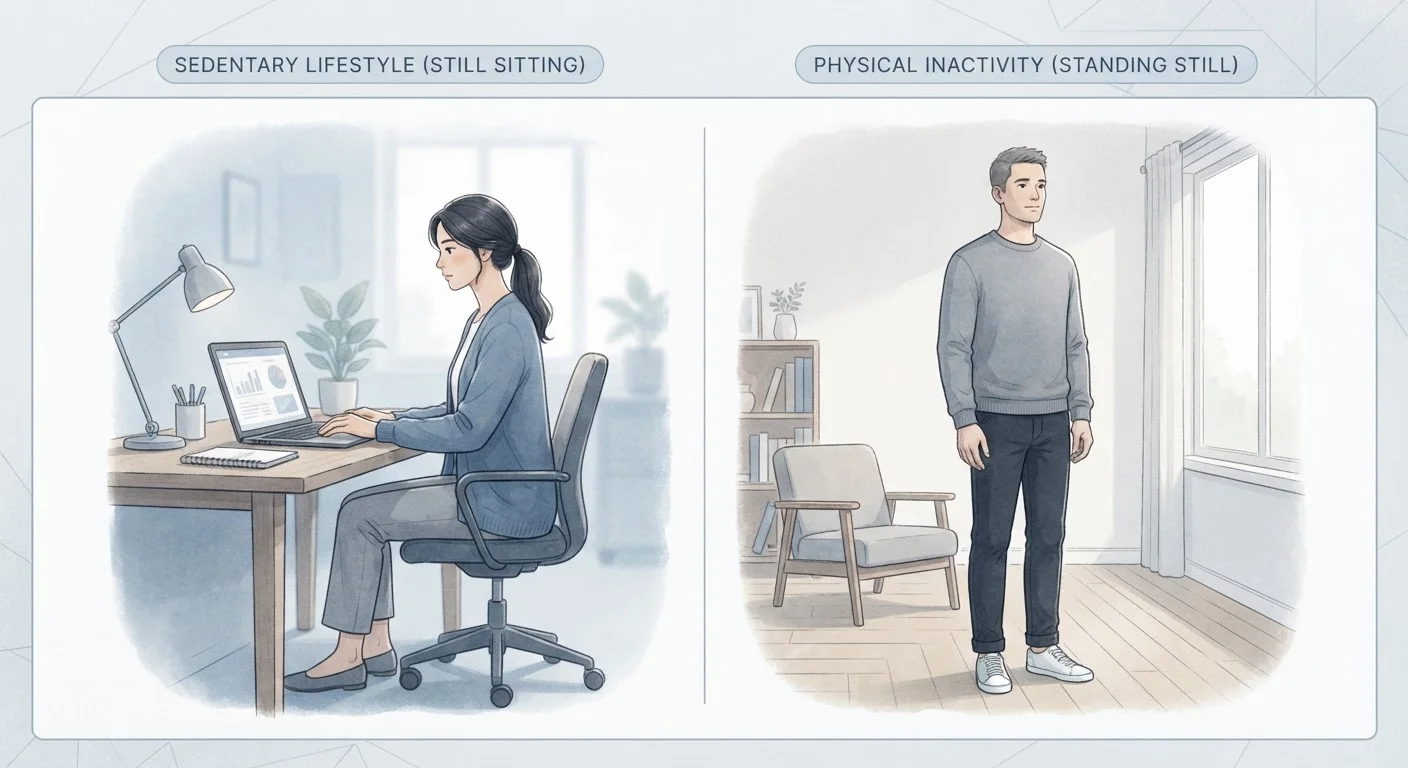
Sedentary Behaviour vs. Physical Inactivity: Two Distinct Health Risks
These two terms are often confused. Here's what each means, how they differ, and why the d…

Standing vs. Sitting at a Desk: What the Research Actually Says
A balanced look at the health implications of prolonged sitting versus prolonged standing,…

Turning Routine Chores Into Genuine Physical Activity
Housework, gardening, and errands can contribute meaningfully to daily movement. Here's ho…

Walking More Each Day Without Rearranging Your Entire Schedule
Practical strategies for adding steps to ordinary routines — commuting, errands, and work …

What Counts as Non-Exercise Activity and Why It Matters
NEAT explained: how everyday movements like fidgeting, standing, and walking contribute to…

Why Sitting for Long Periods Affects the Body the Way It Does
An evidence-based look at the physiological changes that occur during extended sedentary p…

Why the 'I'll Exercise Later' Mindset Undermines Daily Health
How deferring all movement to a single workout session leaves significant health gaps — an…