

Key Takeaways
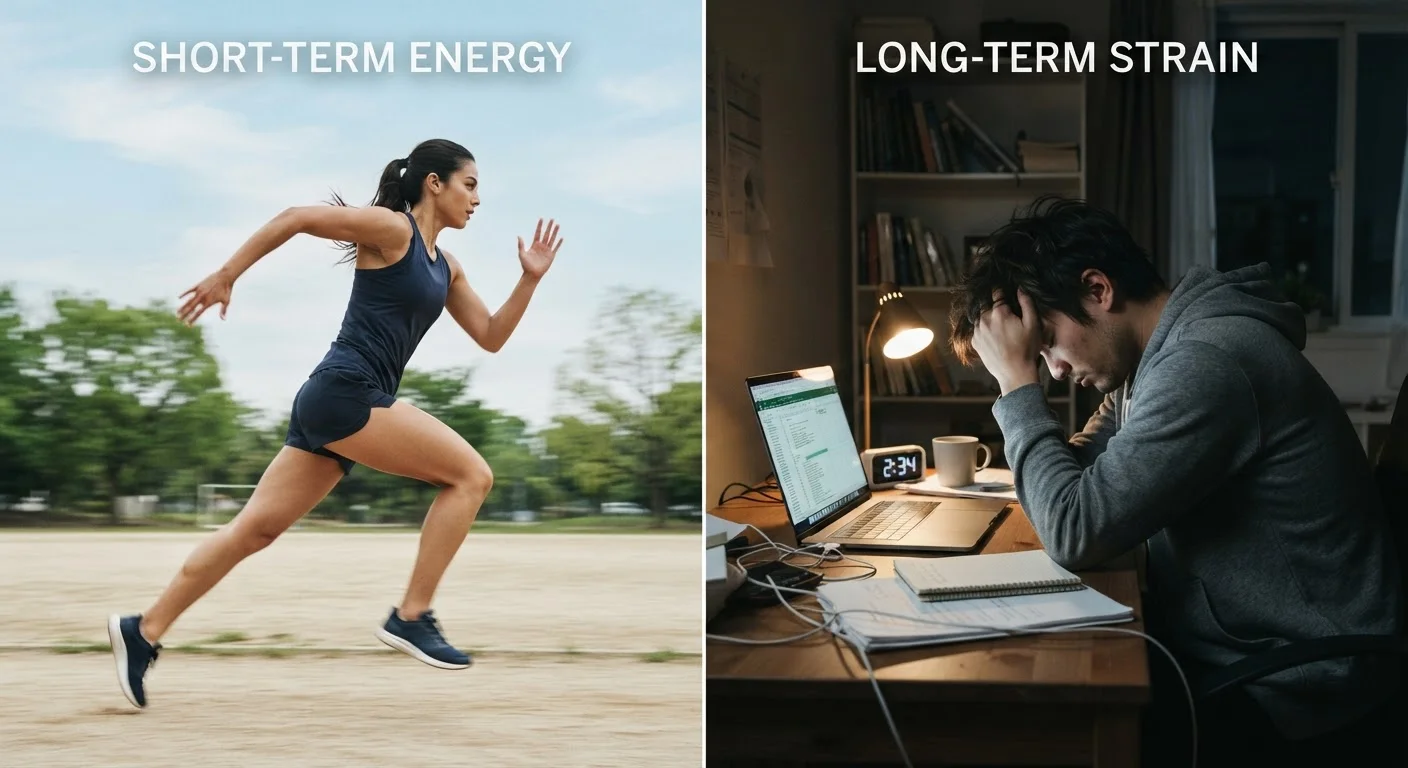
- Acute stress is brief and can sharpen focus or boost performance in the short term.
- Chronic stress persists for weeks or months and is linked to serious health consequences.
- The body's stress response was designed for acute threats, not sustained, ongoing pressure.
- Identifying which type of stress you're experiencing is the first step toward managing it effectively.
- Persistent stress symptoms lasting more than a few weeks warrant professional evaluation.
Option A
Acute Stress
The short-lived, often protective stress response.
Best for: Understanding immediate physical challenges and performance-related pressure with a clear endpoint.
Option B
Chronic Stress
The ongoing, health-eroding burden of persistent pressure.
Best for: Recognizing the warning signs of prolonged stress that quietly undermines mental and physical wellbeing.
If you feel stressed before a deadline or presentation
Acute Stress
This short-term pressure is normal and often temporary. Basic relaxation techniques and adequate rest are usually sufficient to restore balance.
If stress feels constant and has lasted several weeks or months
Chronic Stress
Ongoing stress at this level requires a more structured response — including lifestyle changes and, ideally, guidance from a healthcare professional.
If you're noticing physical symptoms like sleep disruption, fatigue, or frequent illness
Chronic Stress
These are common signs that stress has moved beyond acute. Addressing root causes and seeking professional support is strongly encouraged.
What Acute and Chronic Stress Actually Mean
Stress is a normal part of life, but not all stress works the same way. Acute stress is a short-term response — the spike of alertness you feel before a job interview, during a near-miss on the highway, or in the final minutes of a deadline. It activates your body's fight-or-flight system rapidly, and just as rapidly, it resolves. Chronic stress, by contrast, is sustained. It builds from ongoing pressures — financial strain, relationship difficulties, or an overwhelming workload — and the body never quite gets the signal to power down.
To understand how each type affects your body at a biological level, see our in-depth look at the science of stress. The short version: both types release stress hormones like cortisol and adrenaline, but chronic stress keeps those hormones elevated long past their useful window.
| Criterion | Acute Stress | Chronic Stress |
|---|---|---|
| Duration | Minutes to hours | Weeks to months or longer |
| Trigger | Specific, identifiable event | Ongoing or multiple overlapping pressures |
| Typical physical symptoms | Rapid heart rate, dry mouth, alertness | Fatigue, headaches, disrupted sleep |
| Effect on immune system | May briefly enhance immunity | Gradually suppresses immune function |
| Resolution | Resolves when stressor passes | Persists without active intervention |
| Long-term health risk | Generally low if infrequent | Linked to cardiovascular and metabolic risks |
| Primary management approach | In-the-moment coping techniques | Lifestyle changes and professional support |
How Each Type of Stress Affects Your Body
Acute stress can actually be beneficial in measured doses. Research in psychophysiology suggests that brief stress exposure can improve concentration, reaction time, and even immune function in the immediate term. Think of it as your body temporarily shifting resources toward survival.
Chronic stress operates differently. When cortisol stays elevated over weeks and months, it begins to disrupt nearly every major body system. The cardiovascular system faces increased strain, the immune response becomes less effective, sleep quality deteriorates, and digestion is commonly affected. Over time, chronic stress is associated with a higher risk of conditions such as hypertension, type 2 diabetes, and depression — many of which fall under the umbrella of long-term chronic conditions.
77%
Adults reporting physical stress symptoms
According to the American Psychological Association's Stress in America survey, a large majority of U.S. adults report experiencing physical symptoms they associate with stress.
2–3×
Increased cardiovascular risk with chronic stress
Research published in peer-reviewed cardiology literature suggests that chronic psychosocial stress can meaningfully elevate cardiovascular disease risk over time.
33%
Adults who feel they are not managing stress well
The APA's ongoing research has found that roughly one in three U.S. adults feel their stress management is inadequate, highlighting an unmet need for accessible strategies.
It's also worth noting that chronic stress and anxiety often overlap in ways that can be confusing. If you're unsure where your experience falls, understanding the distinction between anxiety and stress can help clarify your next steps.
Spotting the Signs: Acute vs. Chronic in Everyday Life
Recognizing which type of stress you're dealing with matters because the appropriate response differs significantly. Acute stress tends to have a clear trigger and a natural endpoint — once the stressor passes, symptoms fade. You might feel a pounding heart, dry mouth, or a surge of energy, and then notice these sensations subside within hours.
Chronic stress, on the other hand, often has no clean boundary. Common signs include persistent fatigue, difficulty concentrating, irritability that seems disproportionate, disrupted sleep patterns, frequent headaches, and a sense of being overwhelmed that doesn't lift even on weekends or holidays. Many people normalize these experiences without recognizing them as stress-related. For a broader look at how duration shapes health experiences, how time shapes a diagnosis is a useful resource.
If symptoms have persisted for more than a few weeks, it's advisable to speak with a qualified healthcare provider rather than managing them alone.
Practical Strategies for Managing Both Types
For acute stress, grounding techniques are often effective in the moment. Slow, controlled breathing — sometimes called diaphragmatic breathing — can activate the parasympathetic nervous system and reduce the intensity of the fight-or-flight response. Brief physical movement, such as a short walk, can also help the body metabolize stress hormones more quickly.
For chronic stress, the approach needs to be more sustained. Evidence supports regular moderate physical activity, consistent sleep habits, and structured relaxation practices such as mindfulness meditation. Social support — having people to talk to — is one of the most consistently protective factors identified in stress research. Addressing the root sources of chronic stress, whether occupational, relational, or financial, often requires practical problem-solving alongside these coping strategies.
For those whose stress coexists with physical inactivity, choosing the right type of exercise can be a manageable entry point. Explore further resources through our Anxiety & Stress hub for additional practical guidance.
This article is for general informational purposes only and does not constitute medical advice. If you are experiencing significant or persistent stress symptoms, please consult a qualified healthcare professional for personalized guidance.