

| Normal blood pressure | Less than 120/80 mmHg (American Heart Association guidelines) |
| Elevated blood pressure | 120–129 systolic / less than 80 diastolic (American Heart Association guidelines) |
| Stage 1 hypertension | 130–139 / 80–89 mmHg (American Heart Association guidelines) |
| Stage 2 hypertension | 140/90 mmHg or higher (American Heart Association guidelines) |
| Hypertensive crisis threshold | Above 180/120 mmHg (Seek immediate medical attention) |
| U.S. adults with hypertension | Nearly 1 in 2 (CDC, National Center for Health Statistics) |
What the Two Numbers Actually Mean
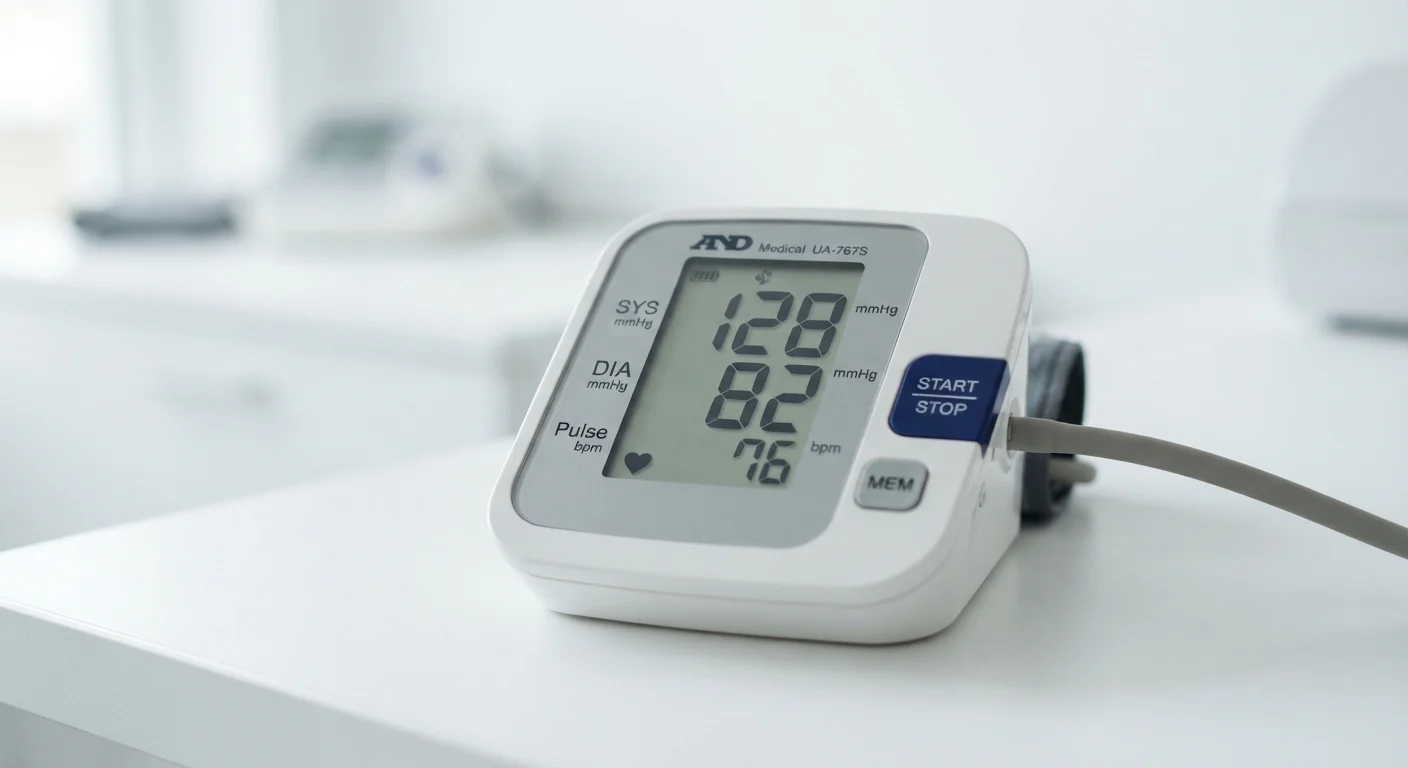
A blood pressure reading is always expressed as two numbers separated by a slash — for example, 118/76 mmHg. Each number tells a different part of the same story about how hard your heart is working to move blood through your body.
The top number (systolic) captures the peak pressure inside your arteries at the moment your heart contracts and pumps blood outward. The bottom number (diastolic) captures the pressure that remains when your heart is between beats and refilling. Both figures matter clinically, though sustained elevation in either can signal increased cardiovascular risk.
See our guide to reading lab reports for a broader explanation of how clinicians interpret numerical results.
Systolic pressure
The top number in a blood pressure reading. It measures the force your heart exerts on artery walls each time it beats.
Diastolic pressure
The bottom number in a blood pressure reading. It measures the pressure in your arteries between heartbeats, when the heart is resting.
Hypertension
The clinical term for persistently elevated blood pressure. It is typically defined as a sustained reading of 130/80 mmHg or higher, according to American Heart Association guidelines.
Hypertensive crisis
A severe spike in blood pressure — generally above 180/120 mmHg — that requires immediate medical evaluation. It may or may not cause symptoms.
White coat hypertension
A pattern in which a person's blood pressure reads elevated in a clinical setting but is normal at home, likely due to anxiety triggered by the medical environment.
mmHg
Millimeters of mercury — the standard unit used to express blood pressure readings. It reflects how high the pressure could push a column of mercury.
The Classification System: From Normal to Crisis
The American Heart Association organizes blood pressure into five categories. Understanding where a reading falls helps explain the clinical conversation that follows — but classification is a starting point for discussion, not a standalone diagnosis.
| Normal blood pressure | Less than 120/80 mmHg (American Heart Association guidelines) |
| Elevated blood pressure | 120–129 systolic / less than 80 diastolic (American Heart Association guidelines) |
| Stage 1 hypertension | 130–139 / 80–89 mmHg (American Heart Association guidelines) |
| Stage 2 hypertension | 140/90 mmHg or higher (American Heart Association guidelines) |
| Hypertensive crisis threshold | Above 180/120 mmHg (Seek immediate medical attention) |
| U.S. adults with hypertension | Nearly 1 in 2 (CDC, National Center for Health Statistics) |
- Normal: Below 120/80 mmHg. The heart and arteries are under healthy, manageable load.
- Elevated: Systolic between 120–129, diastolic below 80. No diagnosis yet, but a signal to pay attention to lifestyle factors.
- Stage 1 hypertension: 130–139 systolic or 80–89 diastolic. Clinicians typically assess overall cardiovascular risk before deciding whether medication is warranted.
- Stage 2 hypertension: 140/90 mmHg or higher. Medication is more commonly recommended alongside lifestyle changes.
- Hypertensive crisis: Above 180/120 mmHg. Requires prompt medical evaluation even without symptoms. With chest pain, shortness of breath, or neurological changes, call emergency services immediately.
A Single Reading Is Rarely Definitive
Blood pressure fluctuates throughout the day in response to activity, stress, posture, and even conversation. Clinicians typically look at multiple readings over time — or use home monitoring — before confirming a diagnosis. If one reading seems high, don't panic; discuss the pattern with your healthcare provider.
Why Hypertension Often Goes Unnoticed
Hypertension is frequently called a "silent" condition because it typically produces no noticeable symptoms — sometimes for years. Most people do not feel elevated pressure in their arteries the way they might feel a headache or joint pain. This is why routine screening is considered a cornerstone of preventive care, not just something to pursue when something feels wrong.
~47%
U.S. adults living with hypertension
According to the CDC, nearly half of American adults have high blood pressure, yet many are unaware of it.
130/80
mmHg threshold for hypertension diagnosis
The American Heart Association updated its diagnostic threshold to 130/80 mmHg in 2017, lowering it from the previous 140/90 standard.
People managing other chronic conditions should be especially attentive. For example, insulin resistance and type 2 diabetes share overlapping cardiovascular risk factors with hypertension — you can learn more in our article on understanding the differences between type 2 diabetes, prediabetes, and insulin resistance.
If you monitor blood pressure at home, consistent tracking over time gives your provider a far more useful picture than any single office reading. Our article on what people with chronic conditions typically monitor at home explains how to make that data count.
This article provides general health information and educational content only. It is not a substitute for professional medical advice, diagnosis, or treatment. Always consult a qualified healthcare provider with any questions about your blood pressure or cardiovascular health.