

Key Takeaways
- Respiratory infections typically progress through five recognizable stages: exposure, incubation, prodrome, peak illness, and recovery.
- You can be contagious during the incubation stage before any symptoms appear.
- The prodromal stage features mild, nonspecific symptoms that often precede more intense illness.
- Most uncomplicated respiratory infections resolve without prescription treatment in healthy adults.
- Certain symptoms — including high fever, difficulty breathing, or symptoms lasting beyond 10 days — warrant prompt medical evaluation.
Respiratory Infection Stages
A respiratory infection moves through a predictable sequence of biological phases — from initial exposure to a pathogen, through peak illness, and eventually to recovery. Recognizing these stages can help you understand what your body is doing, how contagious you may be, and when symptoms warrant medical attention. Most mild respiratory infections follow this general arc over days to weeks.
The duration and severity of each stage vary depending on the specific pathogen (viral, bacterial, or fungal), the host's immune status, and whether complications develop.
Stage 1: Exposure and the Incubation Period
Every respiratory infection begins with exposure — the moment a pathogen such as a virus or bacterium enters the body through the nose, mouth, or eyes. At this point, you feel entirely normal. The pathogen is establishing a foothold and beginning to replicate before your immune system mounts a significant response.
This silent interval is called the incubation period. It varies widely depending on the organism involved. For the common cold, incubation typically lasts one to three days; for influenza, it is usually one to four days; for other respiratory pathogens, it can extend longer. Critically, many people are already contagious during this window. For a deeper look at how incubation windows work across different illnesses, see what incubation periods really mean.
You Can Be Contagious Before You Feel Sick
The incubation stage is often the most epidemiologically significant — you may be spreading a pathogen to others before you have any idea you are infected. This is one reason respiratory illnesses circulate so efficiently in households, workplaces, and schools. Practicing hand hygiene and respiratory etiquette consistently — not only when you feel unwell — is the most reliable way to reduce transmission risk.
Stage 2: The Prodrome — Early Warning Signs
Before the full force of illness sets in, most respiratory infections announce themselves through a prodromal phase. This stage is characterized by vague, nonspecific symptoms — mild fatigue, a slight scratch in the throat, low-grade achiness, or a general sense of feeling "off." Many people mistake this phase for allergies or simple tiredness.
The prodrome is your immune system ramping up its response. Inflammatory signals called cytokines are being released, triggering systemic effects like fatigue and mild fever. This phase may last 12 to 48 hours before symptoms sharpen and localize to the respiratory tract.
1–4 days
Typical influenza incubation period
According to the CDC, most people with influenza develop symptoms one to four days after exposure to the virus.
~7–10 days
Average duration of a common cold
The National Institutes of Health notes that most common cold symptoms resolve within seven to ten days in otherwise healthy adults.
200+
Viruses that can cause the common cold
Rhinoviruses are the most frequent culprits, but over 200 different viruses are known to cause common cold symptoms, according to established virology research.
Stage 3: Peak Illness
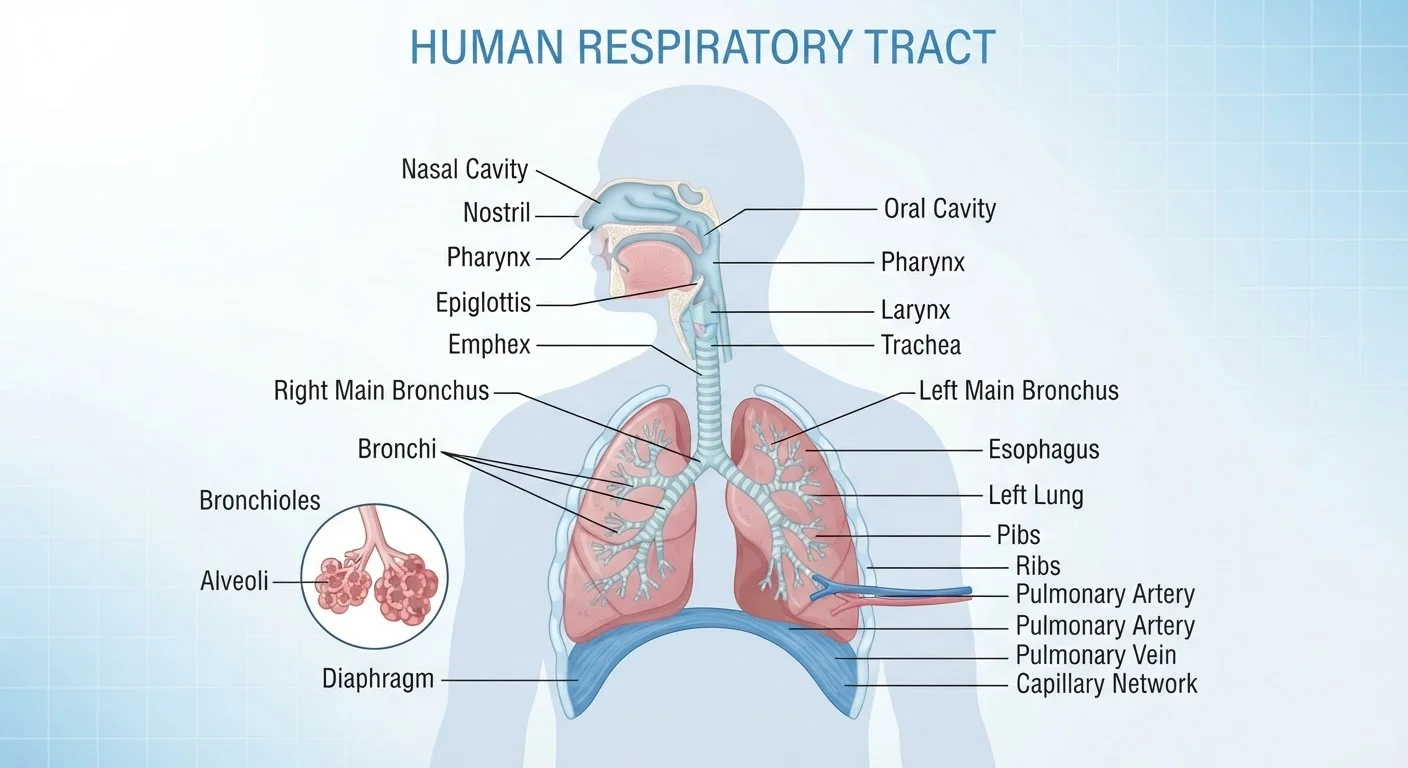
Peak illness is the most symptomatic phase. For upper respiratory infections like the common cold, this typically means nasal congestion, runny nose, sore throat, sneezing, and sometimes a mild cough. For lower respiratory infections — such as those involving the bronchi or lungs — symptoms may include a more persistent cough, increased mucus production, wheezing, or shortness of breath.
Influenza and other more aggressive pathogens frequently cause additional systemic symptoms during this stage: fever (often 100–104°F), muscle aches, headache, and significant fatigue. These responses are largely driven by the immune system, not the pathogen alone.
Most people experience peak symptoms for two to five days. During this time, rest, adequate hydration, and appropriate over-the-counter symptom relief (as guided by a pharmacist or clinician) support the body's recovery. Antibiotics are ineffective against viral respiratory infections and should only be used when a bacterial cause has been confirmed by a healthcare provider.
Stage 4: Recovery and Resolution
As the immune system gains the upper hand, symptoms begin to diminish. Nasal discharge may shift from clear to yellow or green as immune cells accumulate — this color change alone does not indicate a bacterial infection requiring antibiotics. Energy levels gradually return, though fatigue and a lingering cough can persist for one to two weeks after other symptoms resolve.
This final stage requires patience. Pushing through intense physical activity or returning to full exertion too early can prolong recovery. Adequate sleep is particularly important during this phase; immune function is closely linked to restorative rest. For context on how sleep supports recovery, see our guide to sleep stages.
If symptoms worsen noticeably after initial improvement, or if new symptoms develop — such as chest pain, persistent high fever, or difficulty breathing — contact a healthcare provider promptly. These may signal secondary bacterial infection or other complications. Individuals who experience frequent respiratory infections should discuss this pattern with a clinician, as recurring infections can point to underlying factors worth evaluating.
This article is for general informational and educational purposes only and does not constitute medical advice. Always consult a qualified healthcare professional regarding any health concerns, symptoms, or medical decisions.