

| Most critical nutrient for vegans | Vitamin B12 (National Institutes of Health, Office of Dietary Supplements) |
| Plant-based omega-3 source (EPA/DHA) | Algae-based supplements |
| Iron absorption enhancer | Vitamin C consumed with iron-rich foods |
| Vegan-compatible vitamin D forms | D2 (ergocalciferol) and lichen-derived D3 |
| Phytate-reducing techniques | Soaking, sprouting, and fermenting legumes and grains |
| Nutrients to monitor via blood tests | B12, vitamin D, ferritin, iodine (General guidance from registered dietitians specializing in plant-based nutrition) |
Why Certain Nutrients Need Extra Planning on a Vegan Diet
A thoughtfully planned vegan diet can support good health across the lifespan, but eliminating all animal products removes some of the most concentrated dietary sources of specific vitamins, minerals, and macronutrients. That doesn't mean these nutrients are impossible to obtain — it means they require deliberate sourcing, and in some cases, supplementation.
Understanding which nutrients deserve your attention is the first step toward building a nutritionally complete plant-based pattern. For a broader look at how nutrient gaps can show up in everyday eating, see our guide to signs your diet may be missing key nutrients.
| Most critical nutrient for vegans | Vitamin B12 (National Institutes of Health, Office of Dietary Supplements) |
| Plant-based omega-3 source (EPA/DHA) | Algae-based supplements |
| Iron absorption enhancer | Vitamin C consumed with iron-rich foods |
| Vegan-compatible vitamin D forms | D2 (ergocalciferol) and lichen-derived D3 |
| Phytate-reducing techniques | Soaking, sprouting, and fermenting legumes and grains |
| Nutrients to monitor via blood tests | B12, vitamin D, ferritin, iodine (General guidance from registered dietitians specializing in plant-based nutrition) |
The Nutrients That Require the Most Attention
The following nutrients are consistently flagged in nutritional research as areas requiring careful planning on a vegan diet.
Vitamin B12
Vitamin B12 is produced by microorganisms and is found naturally in meaningful amounts almost exclusively in animal-derived foods. It is critical for nerve function, red blood cell formation, and DNA synthesis. Vegans who do not consume B12-fortified foods or take a supplement are at high risk of deficiency over time, which can cause irreversible neurological damage if prolonged. This is the one nutrient for which supplementation is broadly recommended by nutrition organizations for people following vegan diets.
Vitamin D
Most dietary vitamin D comes from fatty fish, egg yolks, and fortified dairy — none of which appear in a vegan diet. The body can synthesize vitamin D through sun exposure, but this varies significantly by latitude, skin tone, season, and lifestyle. Many plant-based milks and some mushrooms exposed to UV light provide vitamin D, but adequacy through food alone is difficult for most people. A vitamin D supplement derived from lichen (D3) or ergocalciferol (D2) are vegan-compatible options worth discussing with a healthcare provider.
Long-Chain Omega-3 Fatty Acids (EPA and DHA)
Plant foods provide alpha-linolenic acid (ALA), a short-chain omega-3, but the body's conversion of ALA to EPA and DHA — the long-chain forms associated with cardiovascular and brain health — is limited. Fatty fish are the primary dietary source of EPA and DHA. Algae-based omega-3 supplements provide a direct, vegan-compatible source of both, since fish themselves obtain EPA and DHA from algae.
Iron
Plants contain non-heme iron, which is less bioavailable than the heme iron in meat and seafood. Consuming vitamin C-rich foods alongside iron-rich plant foods (legumes, tofu, pumpkin seeds, fortified cereals) can meaningfully enhance absorption. Conversely, coffee, tea, and calcium consumed at the same meal can inhibit uptake. Vegans tend to have lower iron stores on average, though overt deficiency is not universal.
Calcium
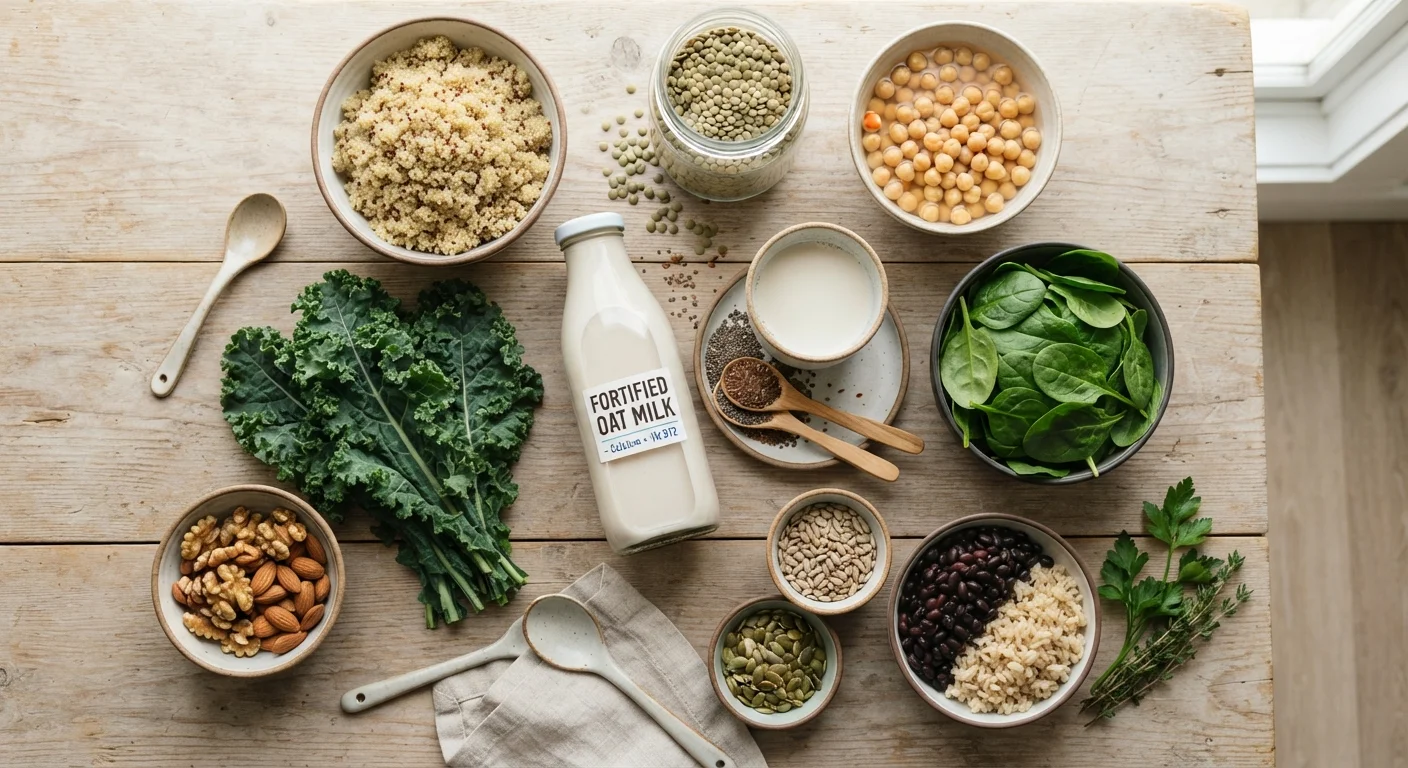
Without dairy, calcium intake depends on fortified plant milks, tofu set with calcium sulfate, tempeh, bok choy, kale, and white beans. Oxalates in some leafy greens (such as spinach) reduce calcium bioavailability, so variety and fortified foods matter.
Zinc
Zinc from plant sources is less bioavailable due to phytates in grains and legumes. Soaking, sprouting, and fermenting these foods helps reduce phytate content. Hemp seeds, pumpkin seeds, lentils, and chickpeas are reliable plant sources.
Iodine
Iodine is found primarily in seafood and iodized salt. Vegans who use non-iodized sea salt or Himalayan salt and avoid seaweed may fall short. Iodized table salt and some seaweeds (with variable iodine content) are the main plant-accessible options.
For a comprehensive reference on what these vitamins and minerals do in the body, visit our micronutrients reference guide.
Bioavailability
The proportion of a nutrient that the body is able to absorb and use after digestion. Bioavailability varies by food source, preparation method, and other nutrients consumed alongside it.
Heme iron vs. non-heme iron
Heme iron is found in animal-derived foods and is absorbed more efficiently by the body. Non-heme iron, found in plant foods, is absorbed at a lower rate but can be enhanced by pairing it with vitamin C.
Phytates
Naturally occurring compounds in grains, legumes, and seeds that can bind to minerals like zinc and iron, reducing their absorption. Soaking, sprouting, or fermenting these foods lowers phytate levels.
ALA, EPA, and DHA
Three types of omega-3 fatty acids. ALA (alpha-linolenic acid) is found in plant sources like flaxseed; EPA and DHA are long-chain forms found mainly in fatty fish and algae, and are associated with heart and brain health.
Fortified food
A food product to which nutrients have been added that are not naturally present, or are present in small amounts. Examples include plant milks fortified with calcium and vitamin D, or cereals fortified with B12.
Building a Reliable Vegan Nutrient Foundation
Meeting these needs isn't about perfection at every meal — it's about consistent patterns. Fortified foods, strategic food pairings, and targeted supplementation are legitimate and well-established tools in vegan nutrition planning. If you are new to plant-based eating, our practical overview for first-time plant-based eaters covers how to structure your plate from the ground up.
Periodic blood work — particularly for B12, vitamin D, iron status (ferritin and hemoglobin), and iodine — can help identify gaps before they become deficiencies. Individual needs vary based on age, health status, pregnancy, and activity level. Working with a registered dietitian who is familiar with plant-based nutrition is the most reliable way to assess and address your specific requirements.
This article is for general informational purposes only and is not a substitute for professional medical or nutritional advice. Always consult a qualified healthcare provider before making significant dietary changes or starting any supplement regimen.