

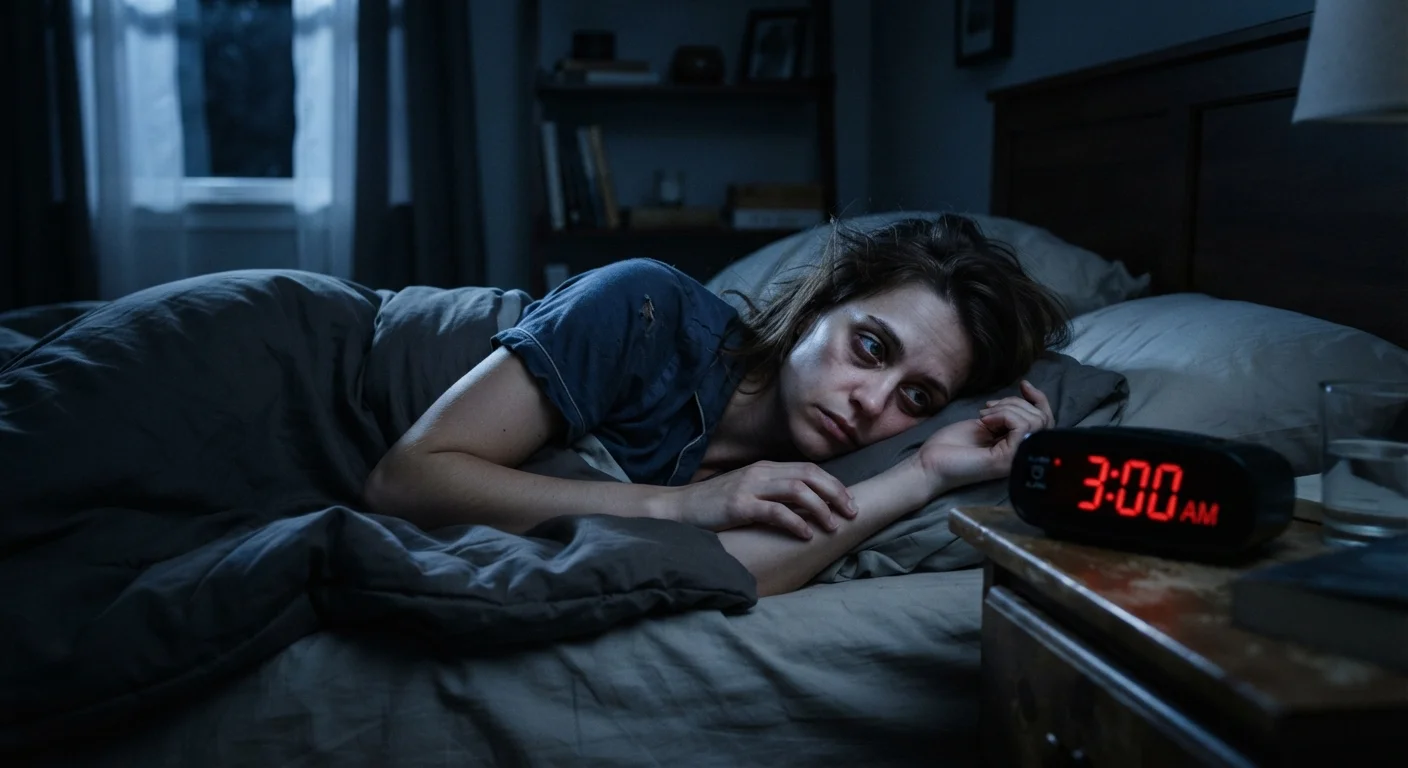
Key Takeaways
- Sleeping fewer than seven hours most nights accumulates a measurable 'sleep debt' with real health consequences.
- Cognitive performance — including reaction time, memory, and decision-making — degrades significantly under chronic sleep restriction.
- The immune system, metabolism, and cardiovascular health are all negatively affected by sustained insufficient sleep.
- Mood dysregulation and heightened stress reactivity are well-documented outcomes of chronic poor sleep.
- Weekend 'catch-up' sleep offers only partial recovery and does not fully reverse accumulated deficits.
- Always consult a healthcare professional if sleep problems are persistent or significantly affecting daily functioning.
Chronic Sleep Restriction
Chronic sleep restriction means consistently sleeping fewer hours than your body needs — night after night, week after week. Unlike a single poor night's sleep, the accumulated shortfall creates measurable harm across multiple body systems. Most adults need between seven and nine hours per night, and regularly falling short of that range qualifies as restriction.
Researchers often define chronic sleep restriction in controlled studies as sleeping six hours or fewer per night for a sustained period. Even mild deficits — losing one to two hours nightly — can produce cognitive and physiological impairments comparable to total sleep deprivation in laboratory settings.
The Hidden Accumulation of Sleep Debt
Most people have experienced the groggy aftermath of a poor night's sleep. But what happens when short nights become the norm? The consequences stop being about feeling tired and start affecting nearly every system in the body.
Sleep debt is not a metaphor — it is a measurable physiological state. Research published in peer-reviewed journals has repeatedly demonstrated that cognitive performance declines in a dose-dependent pattern as nightly sleep falls below the recommended threshold. The troubling part: after several days of restriction, most people adapt to feeling only moderately tired, even as their reaction times, working memory, and decision-making continue to deteriorate.
If you are new to thinking about sleep as a health priority, this foundational overview covers the basics of why rest matters and where to begin building better habits.
1 in 3
U.S. adults not getting enough sleep
According to the Centers for Disease Control and Prevention (CDC), approximately one-third of American adults regularly sleep fewer than the recommended seven hours per night.
~40%
Increased infection risk with short sleep
A study published in Sleep (2015) found that people sleeping fewer than six hours per night were roughly 4 times more likely to catch a cold than those sleeping seven or more hours.
24 hrs
Equivalent impairment after 17–19 hours awake
Research has shown that performance after 17–19 hours without sleep can be equivalent to impairment at a blood alcohol concentration of 0.05%, according to studies on sleep and performance.
What Chronic Restriction Does to the Body
The effects of sustained insufficient sleep reach well beyond the brain. Three body systems bear particularly heavy burdens:
- Immune function: During sleep, the body produces cytokines — signaling proteins that coordinate immune responses. Consistently sleeping fewer than seven hours reduces cytokine production, making it harder to fight off infections. Some research has also found reduced antibody responses following vaccination among individuals with chronic sleep restriction.
- Metabolic health: Sleep loss disrupts hormones that regulate appetite, including leptin and ghrelin. Short sleep is associated with increased hunger, a preference for high-calorie foods, and impaired insulin sensitivity — all factors linked to metabolic risk over time.
- Cardiovascular health: The heart relies on sleep for recovery. Studies in large population samples have associated habitual short sleep with elevated blood pressure and increased cardiovascular risk, though causality is complex and multifactorial.
It is worth noting that sleep needs shift across life stages. How sleep architecture evolves with age is an important lens for understanding your own patterns.
Mood, Stress, and the Brain Under Pressure
Sleep is when the brain consolidates memory, clears metabolic waste products, and recalibrates emotional responses. Strip that process short and the effects on mood and stress tolerance become pronounced quickly.
The amygdala — the brain's alarm center — becomes significantly more reactive after poor sleep, while connectivity to the prefrontal cortex, which normally moderates emotional responses, is reduced. This means sleep-deprived individuals respond to mild stressors as if they were serious threats. Over time, this pattern is closely linked to anxiety and depression.
“Sleep is not a luxury. It is a necessity of life and optimal health, and one of the most powerful things we can do for our brain and body.”
— Matthew Walker, Professor of Neuroscience and Psychology, University of California, Berkeley; author of research on sleep and human health
Poor sleep and stress also create a self-reinforcing loop. Elevated cortisol from daytime stress makes it harder to fall and stay asleep, which worsens stress reactivity the next day. Understanding this two-way relationship is essential for breaking the cycle.
Why 'Catching Up' on Weekends Isn't a Real Solution
A common belief holds that sleeping in on weekends can erase the week's sleep debt. The evidence is more complicated. While recovery sleep does reduce subjective sleepiness, studies suggest that metabolic disruptions and some cognitive impairments persist even after extended recovery periods. Circadian rhythm disruption — sometimes called 'social jetlag' — caused by inconsistent sleep schedules introduces its own set of problems.
Consistency matters more than volume on any single night. Going to bed and waking at similar times each day, keeping the bedroom cool and dark, and managing behaviors that quietly sabotage sleep are all practical levers. Some of the most common sleep disruptors are surprisingly easy to overlook.
For days when exhaustion is unavoidable, a strategic short rest may help. Learn when napping helps and when it backfires to use rest wisely without undermining your nighttime sleep.
This article is for general informational and educational purposes only and is not a substitute for professional medical advice. If you are experiencing persistent sleep difficulties or related health concerns, please consult a qualified healthcare provider.