

Key Takeaways
- The '8 glasses a day' rule is a guideline, not a universal scientific prescription for everyone.
- Thirst is a reliable hydration signal for most healthy adults, not an emergency alarm.
- Coffee and tea contribute to daily fluid intake despite being mild diuretics.
- Urine color remains one of the most practical tools for monitoring hydration status.
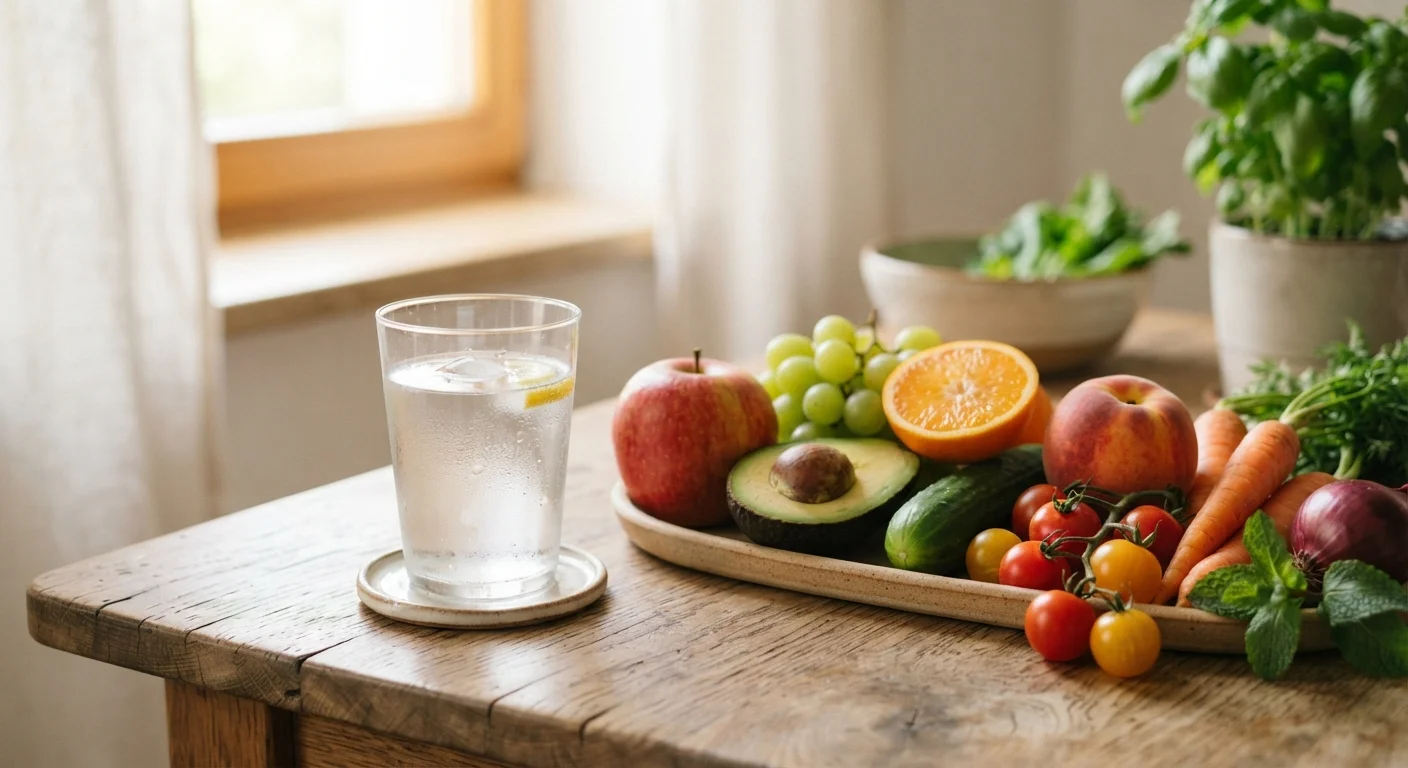
- Food provides a significant portion of daily fluid needs — roughly 20% for most adults.
Why Hydration Myths Spread So Easily
Hydration advice is everywhere — on water bottle labels, fitness apps, and wellness blogs — yet much of it repeats rules that were never rigorously tested. Simple, memorable numbers like "drink eight glasses a day" spread because they feel authoritative, even when the evidence behind them is thin. The result is that many adults either over-drink out of anxiety or dismiss genuine hydration principles because the oversimplifications seem too arbitrary to trust. Getting the facts right matters: chronic mild under-hydration can affect concentration and physical performance, while obsessive over-drinking carries its own real risks.
Overhydration Is a Real Risk
Drinking far more water than your body needs — a condition called hyponatremia — can dilute sodium levels in the blood to dangerous levels, causing symptoms ranging from nausea to confusion. This is rare in everyday life but has occurred in endurance athletes who drink excessive plain water. More water is not always better; balance matters.
Below, we address the most persistent hydration myths and replace them with what the research and medical consensus actually support.
The Myths — and What the Evidence Shows
Each myth below reflects a belief that circulates widely in everyday conversation, health media, and online advice. The corrections draw on published research and established guidance from bodies such as the National Academies of Sciences, Engineering, and Medicine.
Myth
You must drink exactly eight 8-ounce glasses of water every day to stay properly hydrated.
Fact
Total fluid needs vary by individual, and no single universal volume applies to everyone. The '8×8' figure has no direct scientific basis.
The eight-glasses rule is one of the most persistent health guidelines around, but it has never been firmly grounded in research. A frequently cited 2002 review published in the American Journal of Physiology found no scientific evidence supporting it. Daily fluid requirements depend on body weight, sex, age, activity level, diet, and environment. Rather than counting glasses, focus on overall fluid balance from all sources — including food. For a broader look at how nutrition myths travel well beyond their evidence base, see our article on common nutrition myths.
Myth
If you feel thirsty, you're already dehydrated — thirst is too slow a signal to rely on.
Fact
For most healthy adults, thirst is a well-calibrated and timely physiological signal. Feeling thirsty is not a sign that dehydration has already set in.
The body's thirst mechanism is regulated by specialized sensors in the brain and blood vessels that detect small changes in blood concentration — often before any meaningful deficit accumulates. Research in healthy populations consistently shows that drinking to thirst adequately maintains hydration during everyday activities. Thirst becomes a less reliable cue only in specific groups: older adults (whose thirst sensitivity declines with age), athletes during intense prolonged exercise, and individuals taking certain medications. For the general population going about daily life, trusting thirst is a sound and practical strategy.
Myth
Coffee and tea dehydrate you and should not count toward your fluid intake.
Fact
Caffeinated beverages like coffee and tea do have a mild diuretic effect, but they still contribute net fluid to the body and count toward daily intake.
Caffeine increases urine output slightly, but studies show that the fluid delivered by caffeinated drinks more than offsets the diuretic loss. A 2014 study in the journal PLOS ONE found that moderate coffee consumption produced similar hydration outcomes to water in habitual coffee drinkers. This doesn't mean unlimited coffee is optimal — large amounts of caffeine have other effects on sleep and cardiovascular function — but moderate consumption does not undermine hydration. Tea, including most herbal varieties, contributes meaningfully to daily fluid intake.
Myth
Clear urine means you're optimally hydrated; darker urine always means dehydration.
Fact
Pale yellow urine typically indicates adequate hydration. Completely colorless urine may suggest you are drinking more than necessary.
Urine color is a practical and reasonably reliable hydration marker for most people. Health professionals generally use a urine color scale where pale straw to light yellow indicates good hydration. Very dark amber urine can signal underhydration, while completely clear urine may mean excess fluid intake. Note that certain vitamins (especially B vitamins), foods like beets, and some medications can alter urine color independent of hydration status. Because hydration is closely tied to digestion and overall fluid balance, understanding your body's signals is worth exploring alongside digestive health misconceptions.
Myth
Water is the only source of hydration that truly matters — food contributes almost nothing.
Fact
Foods, especially fruits and vegetables, supply a substantial and meaningful share of daily fluid intake.
The U.S. National Academies estimate that food accounts for roughly 20% of daily water intake for most adults. Water-rich foods — cucumber, lettuce, watermelon, celery, tomatoes, oranges — can each be more than 90% water by weight. Soups, stews, and cooked grains also contribute. This means dietary patterns directly affect hydration status, and a diet heavy in processed, low-moisture foods may quietly increase fluid needs. For a detailed look at the relationship between eating habits and fluid balance, see how food and hydration connect.
Hydration Needs Vary Significantly by Individual
Factors including body size, activity level, climate, and underlying health conditions all influence how much fluid a person actually needs each day. Pregnant or breastfeeding individuals, older adults, and those managing chronic conditions have distinct hydration requirements. Always consult a qualified healthcare provider for personalized guidance rather than relying on general population rules.
This article is for general informational purposes only and does not constitute medical advice. If you have questions about your personal hydration needs or health status, consult a qualified healthcare professional.
Practical Hydration Habits Worth Keeping
Stripping away the myths leaves a simpler, more manageable picture. For most healthy adults, a practical approach to hydration looks like this:
- Drink when thirsty — trust the signal rather than a fixed schedule, and increase intake during exercise, heat, or illness.
- Check urine color — aim for pale yellow as a reliable, low-effort daily check.
- Eat water-rich foods — fruits, vegetables, and soups meaningfully support fluid balance.
- Count your coffee and tea — moderate consumption contributes to, rather than detracts from, daily intake.
- Adjust for circumstances — hot weather, vigorous exercise, fever, or vomiting all raise needs; a fixed daily number cannot account for these variables.
~20%
Daily fluid from food sources
The U.S. National Academies of Sciences, Engineering, and Medicine estimates that roughly 20% of daily water intake comes from food rather than beverages.
3.7 L / 2.7 L
Daily fluid adequate intake (men / women)
The National Academies set total daily water adequate intake at approximately 3.7 liters for men and 2.7 liters for women, covering all beverages and food sources combined.
If you notice that many popular health rules — not just hydration ones — seem to persist long after the evidence moves on, that pattern extends across nutrition broadly. Our piece on common nutrition myths explores several more examples worth knowing.