

Key Takeaways
- IBS is a functional disorder; IBD involves measurable inflammation and physical damage to the gut lining.
- IBD includes Crohn's disease and ulcerative colitis, both diagnosed through imaging, endoscopy, and biopsies.
- IBS is diagnosed by symptom patterns using the Rome IV criteria, not through tissue findings.
- IBD carries a higher risk of serious complications, including bowel obstruction, fistulas, and colorectal cancer.
- Both conditions are manageable but require different treatment strategies and ongoing medical care.
- Symptom overlap makes professional diagnosis essential — self-diagnosis is unreliable for both conditions.
Option A
Irritable Bowel Syndrome (IBS)
A functional gut disorder without visible tissue damage.
Best for: Understanding IBS is essential for anyone experiencing recurring digestive discomfort without a clear structural cause.
Option B
Inflammatory Bowel Disease (IBD)
A chronic inflammatory disease causing measurable intestinal damage.
Best for: Recognizing IBD is critical for people with persistent, severe gut symptoms that may signal immune-driven tissue inflammation.
If you experience recurring bloating, cramping, and altered bowel habits with no bleeding
Irritable Bowel Syndrome (IBS)
These symptoms align more closely with IBS patterns. A gastroenterologist can confirm this through a structured symptom evaluation using Rome IV criteria.
If you have bloody stool, unintentional weight loss, or persistent fever alongside gut symptoms
Inflammatory Bowel Disease (IBD)
These are red-flag symptoms associated with IBD. Prompt medical evaluation — including blood tests and possible endoscopy — is strongly recommended.
If you want to understand which condition responds to dietary and lifestyle changes
Irritable Bowel Syndrome (IBS)
IBS management often centers on dietary modification (such as low-FODMAP approaches) and stress reduction, which can meaningfully reduce symptom frequency.
If long-term medication and monitoring are a concern
Inflammatory Bowel Disease (IBD)
IBD typically requires ongoing pharmaceutical treatment — often immunosuppressants or biologics — and regular endoscopic monitoring to assess disease activity.
What Are IBS and IBD?
Irritable Bowel Syndrome (IBS) and Inflammatory Bowel Disease (IBD) share an acronym-adjacent name and overlapping symptoms, but they are fundamentally different in origin, mechanism, and medical consequence. Confusing them is common — and understandable — but the distinction is clinically significant.
IBS is classified as a functional gastrointestinal disorder. This means the gut looks structurally normal under examination, yet it doesn't function properly. No visible inflammation, ulceration, or tissue damage is present. Instead, IBS is characterized by how the gut behaves — abnormal muscle contractions, altered sensitivity to pain, and disrupted communication between the gut and the brain.
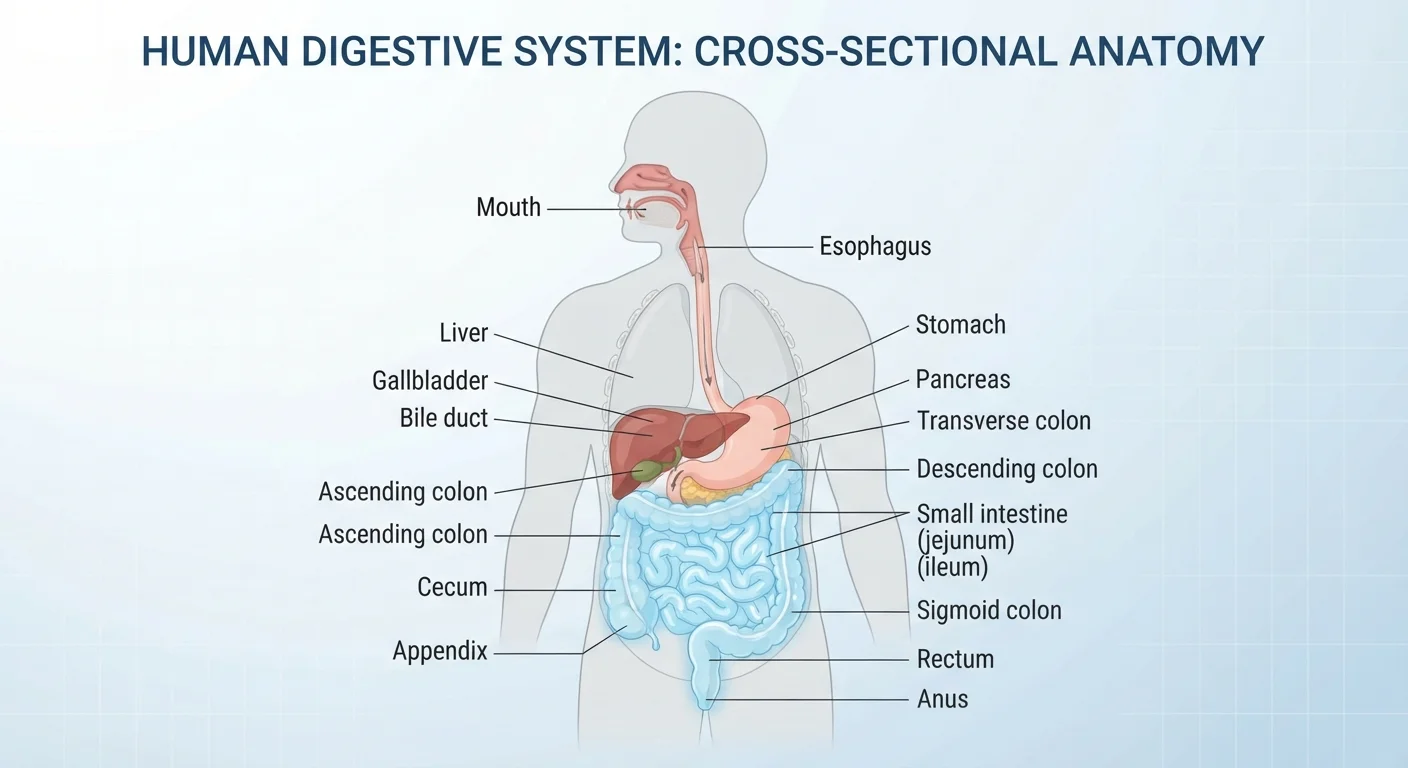
IBD, by contrast, is an umbrella term for diseases involving chronic immune-driven inflammation of the gastrointestinal tract. The two primary forms are Crohn's disease, which can affect any part of the digestive system from mouth to anus, and ulcerative colitis, which is confined to the large intestine (colon) and rectum. In both cases, the inflammation is visible and causes real, measurable damage to the gut lining.
Just as conditions like type 2 diabetes and prediabetes are often conflated despite meaningful differences, untangling closely related conditions is essential for getting the right care.
Symptoms: Where They Overlap and Diverge
Both IBS and IBD can cause abdominal cramping, changes in bowel habits (diarrhea, constipation, or both), bloating, and general digestive discomfort. This symptom overlap is the primary reason the two are frequently confused — especially early in the diagnostic process.
However, several symptoms are more characteristic of IBD and should prompt urgent medical evaluation:
- Rectal bleeding or blood in stool — rare in IBS, common in IBD
- Unintentional weight loss
- Persistent fever
- Fatigue and anemia (due to chronic blood loss or malabsorption)
- Mouth sores, joint pain, or skin rashes — IBD can affect areas outside the gut
IBS symptoms typically fluctuate and are often triggered by stress, specific foods, or hormonal changes. IBD symptoms may also flare and remit, but they tend to be more severe, more consistent, and accompanied by the systemic signs listed above.
| Criterion | IBS | IBD |
|---|---|---|
| Type of condition | Functional disorder | Inflammatory disease |
| Visible gut damage | None | Yes — inflammation and ulceration |
| Diagnosed by | Symptom criteria (Rome IV) | Endoscopy, biopsy, imaging |
| Blood in stool | Rarely | Common |
| Systemic symptoms | Uncommon | Frequent (fatigue, fever, joint pain) |
| Primary treatment | Diet, stress management, symptom meds | Immunosuppressants, biologics, steroids |
| Risk of complications | Low | High (obstruction, cancer risk) |
Because symptoms alone cannot reliably distinguish these conditions, self-diagnosis based on symptoms is unreliable and potentially harmful. A qualified healthcare provider should evaluate any persistent or worsening gut symptoms.
Diagnosis and Treatment Approaches
IBS is diagnosed clinically using the Rome IV criteria — a standardized framework based on symptom frequency and duration. Specifically, recurrent abdominal pain at least one day per week for three months, associated with defecation or a change in stool form or frequency, is required for an IBS diagnosis. There is no definitive lab test or imaging finding that confirms IBS; diagnosis involves ruling out other conditions through blood tests, stool analysis, and sometimes colonoscopy.
IBD requires objective evidence of inflammation. Diagnosis typically involves blood tests showing elevated inflammatory markers (such as CRP or fecal calprotectin), colonoscopy with biopsy, and sometimes CT or MRI imaging to assess disease extent.
Treatment also diverges sharply:
- IBS management focuses on dietary changes (such as a low-FODMAP diet), stress management, gut-brain therapies, and symptom-targeted medications. Probiotics and prebiotics are an area of active research in IBS, though evidence for their benefit varies.
- IBD treatment aims to reduce immune-driven inflammation and may include aminosalicylates, corticosteroids, immunosuppressants, and biologic medications. Surgery is sometimes necessary, particularly in Crohn's disease or severe ulcerative colitis.
When to Seek Medical Care Promptly
If you experience rectal bleeding, unexplained weight loss, persistent fever, or symptoms that are rapidly worsening, seek medical evaluation without delay. These findings are not typical of IBS and may indicate IBD or another serious condition. A gastroenterologist can order the appropriate diagnostic tests to determine the cause.
This article provides general health information only and is not a substitute for professional medical advice, diagnosis, or treatment. Always consult a qualified healthcare provider about your specific symptoms or concerns.