

Key Takeaways
- Zinc deficiency symptoms — such as hair thinning, slow wound healing, and weakened immunity — are easy to confuse with other health issues.
- Vegetarians, vegans, pregnant individuals, and older adults face a higher risk of inadequate zinc intake.
- Phytates in plant foods can reduce how much zinc the body absorbs, making dietary source and preparation important.
- Blood tests for zinc status are useful but have limitations; a clinician evaluates multiple factors together.
- Most people can meet zinc needs through a balanced, varied diet without supplementation.
Zinc Deficiency
Zinc deficiency occurs when the body does not have enough of the essential mineral zinc to carry out its normal functions. Zinc plays a role in hundreds of biological processes, including immune response, wound healing, cell division, and the senses of taste and smell. Because its symptoms can mimic other conditions, deficiency is often overlooked or misattributed.
Zinc status is difficult to measure accurately because serum zinc levels do not always reflect total body stores; clinicians may use a combination of dietary assessment, clinical signs, and lab values to evaluate status.
What Zinc Actually Does in the Body
Zinc is classified as an essential trace mineral, meaning the body requires it in relatively small amounts but cannot produce it on its own — it must come from food. Despite its modest daily requirement, zinc participates in the activity of over 300 enzymes and touches nearly every major biological system.
Its most recognized roles include supporting the immune system's ability to mount a response to pathogens, facilitating wound healing, enabling normal cell growth and division, and maintaining the integrity of skin and mucous membranes. Zinc is also essential for protein synthesis, DNA formation, and healthy fetal development during pregnancy.
Two functions that often surprise people: zinc is required for the proper perception of taste and smell, and it plays a role in maintaining healthy testosterone levels and reproductive function in men. For a broader look at how essential minerals like zinc fit into overall nutrition, see our guide on essential vitamins and minerals.
Why Zinc Deficiency Is Easy to Miss
Unlike conditions with dramatic clinical presentations, zinc deficiency tends to develop gradually and produce symptoms that overlap with dozens of other health concerns. There is no single red-flag sign that points clearly to zinc as the culprit.
~17%
Global population at risk of zinc deficiency
Estimates from the International Zinc Nutrition Consultative Group (IZiNCG) suggest roughly 17% of the world's population may have inadequate zinc intake, with higher rates in regions relying heavily on cereal-based diets.
300+
Enzymes requiring zinc to function
According to the National Institutes of Health Office of Dietary Supplements, zinc is a cofactor for more than 300 enzymatic reactions in the human body.
~50%
Reduction in zinc absorption from high-phytate meals
Research indicates that zinc absorption from high-phytate plant-based meals can be roughly half that of meals with similar zinc content from animal sources, underscoring the importance of dietary pattern and food preparation.
Common indicators that may suggest insufficient zinc intake include:
- Frequent infections or prolonged illness — zinc is integral to immune cell function
- Slow-healing wounds or cuts — zinc supports tissue repair and collagen synthesis
- Hair thinning or increased hair loss — cells with high turnover rates depend on zinc
- Altered sense of taste or smell — one of the more specific signs, though still not exclusive to zinc
- Skin issues, including dryness or acne-like lesions in some cases
- Poor appetite — which can itself perpetuate inadequate intake
In children, inadequate zinc is associated with impaired growth and development. Because these signs are so nonspecific, they're frequently attributed to stress, sleep problems, or other nutritional gaps before zinc is considered.
Who Is at Elevated Risk — and Why
Certain groups face a structurally higher risk of zinc inadequacy due to dietary patterns, physiological demands, or absorption barriers.
Vegetarians and vegans are a primary risk group. While plant foods do contain zinc, they also contain phytates — compounds found in legumes, grains, and seeds that bind to zinc and reduce how much the body absorbs. This means that someone eating a plant-based diet may need to consume meaningfully more zinc-containing foods to achieve the same absorbed amount as a meat-eater.
Pregnant and breastfeeding individuals have increased zinc demands to support fetal development and milk production. Older adults often have reduced dietary intake alongside decreased absorption efficiency. People with gastrointestinal conditions such as Crohn's disease, ulcerative colitis, or short bowel syndrome may have compromised absorption regardless of what they eat.
If you're concerned that your diet may be falling short across multiple nutrients, signs your diet may be missing key nutrients is a useful starting point for reflection before speaking with a professional.
Assessing and Addressing Zinc Intake
Because symptoms are nonspecific and serum zinc tests have well-documented limitations, assessing zinc status requires clinical judgment rather than a single lab result. A healthcare provider will typically consider dietary history, symptom patterns, and risk factors alongside any lab findings.
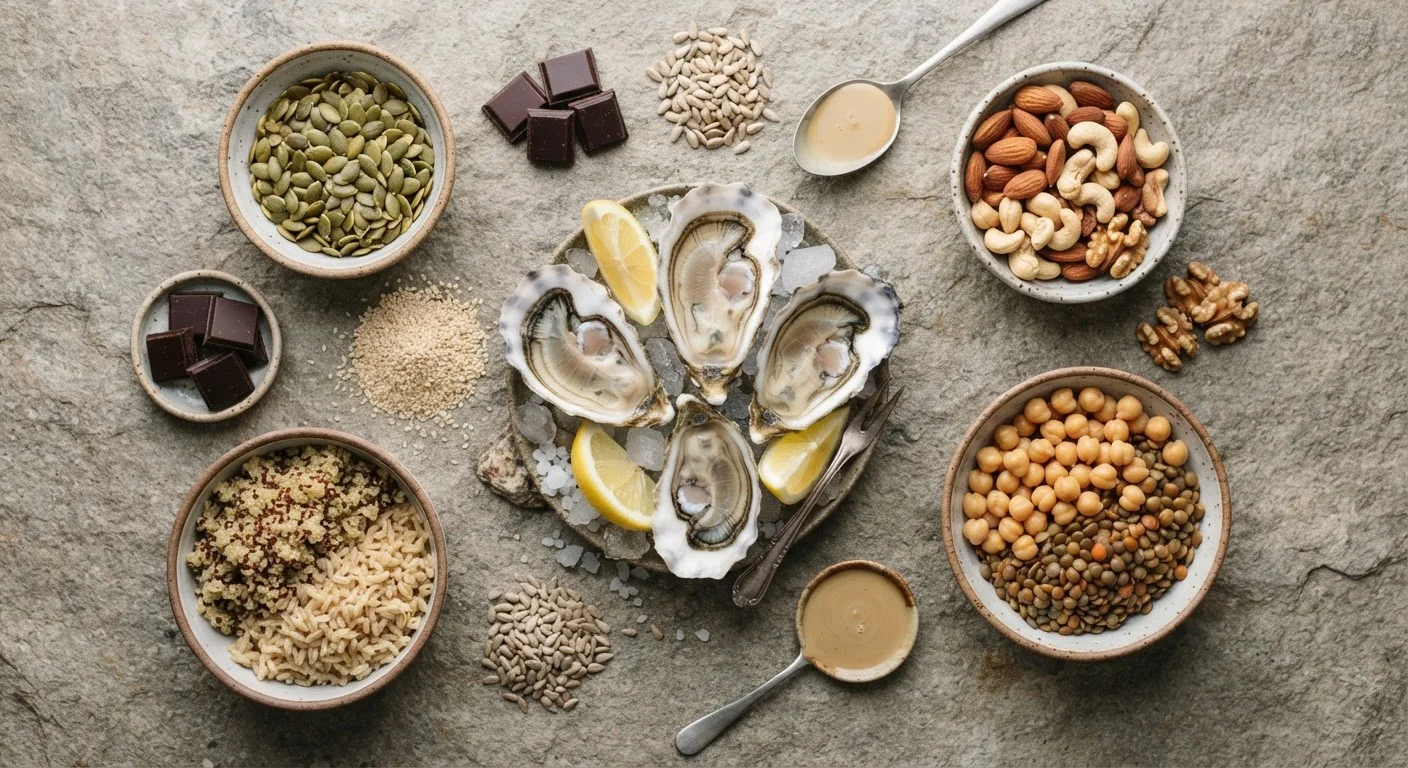
From a food-first perspective, the most zinc-dense dietary sources are oysters (the richest source by far), followed by red meat, poultry, shellfish, and dairy. Plant-based sources — including hemp seeds, pumpkin seeds, chickpeas, lentils, and cashews — contribute meaningful amounts, particularly when preparation methods that reduce phytate content (soaking, sprouting, fermentation) are used.
Improve Plant-Based Zinc Absorption
If your diet is primarily plant-based, preparation techniques can make a meaningful difference. Soaking dried legumes overnight, sprouting grains and seeds, and choosing fermented foods like tempeh or sourdough bread can reduce phytate content and improve how much zinc your body actually absorbs. Pairing zinc-rich plant foods with a source of protein at the same meal may also support uptake.
Supplementation is sometimes appropriate, particularly for individuals diagnosed with deficiency or those with conditions that impair absorption. However, zinc competes with copper for absorption, and long-term high-dose zinc supplementation without medical supervision can create secondary copper deficiency. Supplementation decisions belong in conversation with a qualified healthcare provider.
For most healthy adults, a varied diet that includes both animal and plant sources of zinc is sufficient to meet daily needs without supplementation.
This article is for general informational and educational purposes only and does not constitute medical advice. If you have concerns about your nutritional status or health, consult a qualified healthcare professional.